
24/7 Customer Support

Free returns

Same-day & Next-day Delivery

Quality Guaranteed

Unlock Your Welcome Offers: FREE Delivery | Up to 80% OFF | Free 30-day JoyPlus trial
Download the APP
Buying bikes for adults and children can look straightforward until you compare wheel sizes, frame measurements, brakes, gears and assembly requirements. A low price may hide extra setup work, while an attractive design may not suit the rider’s height or intended terrain.
This guide from the Joybuy Product Recommendation Officer focuses on practical selection points, common buying traps and suitable options for families, commuters and leisure riders in the UK.
Age guidance is useful, but it does not replace measuring the rider. Children of the same age can have noticeably different heights and inside-leg measurements. A bike that is too large may be difficult to control, while one that is too small can become uncomfortable quickly.
For adult bikes, wheel size is also only part of the fit. Frame size, saddle height, handlebar position and maximum rider weight all matter.
A 21-speed mountain bike can offer useful flexibility on hills and mixed surfaces, but extra gears also mean more components to adjust and maintain. For flat pavements and short family rides, a single-speed kids bike may be easier to operate.
Similarly, Shimano gear bikes can have different drivetrain levels and speed counts. Check the exact derailleur, shifter and cassette rather than relying on the Shimano name alone.
Many children’s bikes and mountain bikes arrive partly assembled. Handlebars, pedals, wheels, brakes and gears may need adjustment. Poor assembly can affect steering and stopping, and may also affect warranty cover.
Do not assume that every mountain bike is designed for jumps or steep downhill riding. A casual model with V-brakes and suspension forks may be intended for paths, gravel and general off-road use rather than extreme terrain.
For children, compare the manufacturer’s recommended height range with the child’s height and inside leg. The rider should be able to reach the controls comfortably and place their feet securely when learning.
Useful general categories include:
A bike with stabilisers can help some beginners feel more secure, but they should be removable where possible so the child can progress towards independent balance.
Children’s bikes may use coaster brakes, calliper brakes, V-brakes or a combination. The controls should be easy for the rider’s hands to reach. A fully enclosed chainguard can help reduce contact with the chain and protect clothing.
For adults, wider knobbly tyres can provide grip on gravel, mud and uneven ground, but they may roll less efficiently on smooth roads. Commuter bikes with narrower tyres are generally more suited to tarmac and cycle paths. Folding bikes often use compact 20-inch wheels and may include mudguards or racks for practical daily use.
Look for the relevant safety information and instructions, including references to standards such as EN ISO 8098 for children’s bicycles or EN ISO 4210 for adult bicycles, where applicable. These references should be verified on the product listing or packaging rather than assumed.
Always compare the stated maximum rider weight with the rider’s weight, clothing and any luggage. A folding bike, for example, may have a maximum rider weight of 105kg, while a children’s model may support considerably less.
Before every ride, check:
Protective equipment should be worn by children, and adult riders should use lights and reflectors in low-light conditions. Some listed children’s bikes are specifically marked as unsuitable for public roads, so check the product warnings before use.
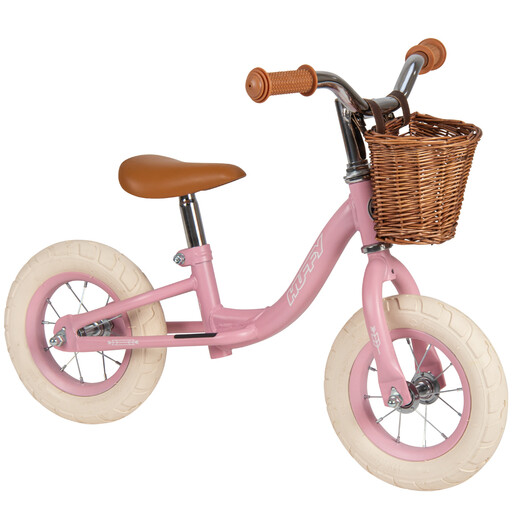
Why This Fits Their Persona: A straightforward first bike for children from age 2 who need to practise steering, gliding and balance before moving to pedals.
It avoids unnecessary gears and pedals, keeping the learning process focused on balance and control.
10-inch wheels, a lightweight frame and a stated maximum user weight of 27kg.
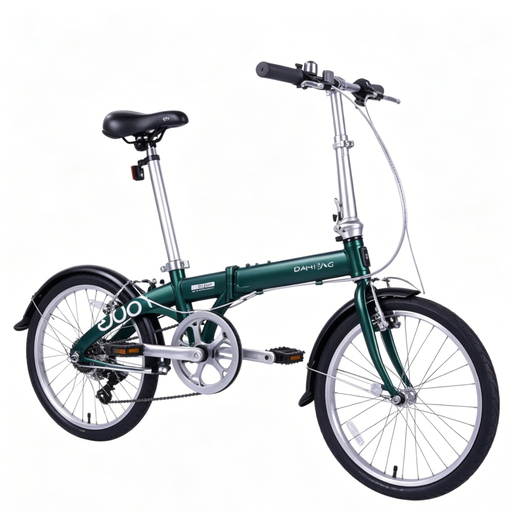
Why This Fits Their Persona: A practical choice for UK commuters who need to store a bicycle under a desk, in a flat or in a car boot.
The folded dimensions and 11.98kg weight are stated clearly, helping buyers judge portability instead of relying on vague “compact” wording.
20-inch tyres, mudguards, a 7-speed Shimano Tourney drivetrain and a 145–190cm rider-height range.
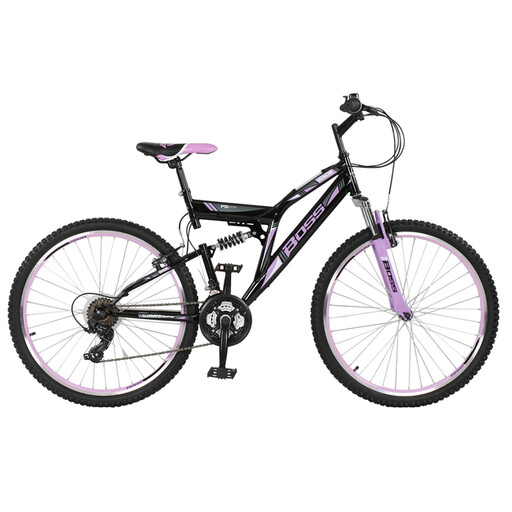
Why This Fits Their Persona: Intended for taller riders seeking a bicycle for casual off-road paths, gravel and general riding rather than demanding downhill use.
Its listing states the 115kg maximum rider weight and clearly excludes downhill, heavy drops and extreme BMX riding.
18-inch frame, 26-inch wheels, 21-speed gearing, suspension forks and deep-tread 26 × 1.95-inch tyres.
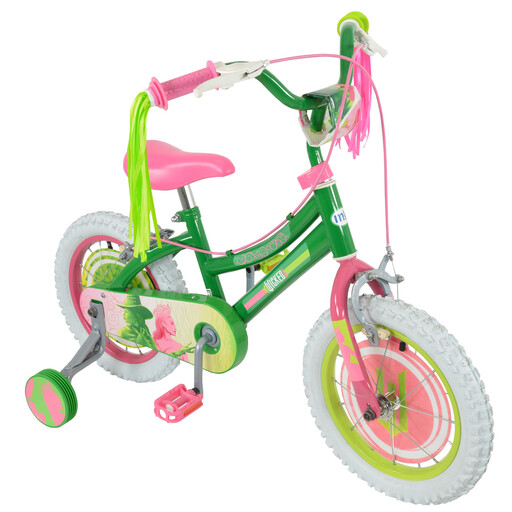
Why This Fits Their Persona: Suitable for children from age 3 who are moving from balance practice to pedal riding with removable stabilisers.
Adjustable saddle and handlebar heights, plus removable stabilisers, reduce the risk of buying a bike that is quickly outgrown.
Pneumatic 14-inch tyres, enclosed chainguard, front and rear calliper brakes and a stated 30kg maximum user weight.
We have compiled a complete, real-time list of products that fully satisfy these strict selection criteria and UK safety regulations.
Start with the child’s height and inside-leg measurement, then compare them with the product’s stated range. Wheel sizes such as 14-inch, 16-inch and 20-inch are useful guideposts, but they are not universal sizing rules. The child should be able to reach the handlebars, operate the brakes and control the bike without stretching.
It depends on the model. Some folding bikes are supplied ready to unfold and adjust, while others arrive around 85–90% assembled. Mountain bikes commonly need pedals, handlebars, the front wheel and saddle fitted, followed by brake and gear checks. If you are not confident making these adjustments, a local bike shop can complete the setup.
Regular checks are inexpensive but important. Inflate tyres when needed, inspect brake pads and cables, lubricate the chain and clean off road grime after wet rides. Folding bikes also need their hinges and quick-release mechanisms checked. Replacing consumable parts such as brake pads, tyres and inner tubes is normal ownership rather than a product fault.