
24/7 Customer Support

Free returns

Same-day & Next-day Delivery

Quality Guaranteed

Unlock Your Welcome Offers: FREE Delivery | Up to 80% OFF | Free 30-day JoyPlus trial
Download the APP
Searching for bikes for sale can quickly become confusing. Product listings often highlight gear counts, suspension or oversized tyres while leaving out details that affect everyday usability. A bike may look suitable online but prove uncomfortable, difficult to assemble or poorly matched to the rider’s height and intended routes.
As the Joybuy Product Recommendation Officer, I focus on practical specifications rather than promotional language. Before choosing a bicycle, watch for these common buying pitfalls.
A larger wheel is not automatically more suitable. A 26-inch mountain bike may fit an adult or taller teenager, while 20-inch bikes are generally intended for children or shorter riders. Frame size, saddle adjustment and inside leg measurement are just as important.
For children’s bicycles, age guidance is only a starting point. Compare the manufacturer’s recommended height and maximum rider weight with the child’s actual measurements.
A 21-speed drivetrain offers plenty of gear choices, but it can also add adjustment requirements and may be unnecessary for flat urban routes. For bikes for commuting, six or seven speeds can be sufficient when the route includes gentle hills and ordinary road surfaces.
Gear count should be considered alongside tyre width, braking system, frame weight and maintenance needs.
Knobbly tyres, suspension forks and wide frames can make a bike look ready for challenging trails. However, not every mountain-style bicycle is designed for jumps, downhill riding or heavy impacts.
Check the stated usage carefully. For example, a casual mountain bike may be suitable for gravel, paths and light trails but unsuitable for stunt riding, large drops or extreme downhill use.
Correct fit affects control, comfort and safe braking. Check:
The Boss Mountain Bike Venom, for example, has an 18-inch frame, a 26-inch wheel size and is listed for riders between 157 and 183 cm tall, with an inside leg measurement between 28 and 32 inches. Its stated maximum rider weight is 115 kg, including luggage and clothing.
For children, avoid buying a bicycle that is much too large in the hope that it will last longer. A bike that is difficult to control may discourage riding and create unnecessary safety risks.
Tyre width and tread influence how a bike feels:
There is no single tyre style for every journey. Match the tread to your regular route rather than selecting the most dramatic-looking design.
The braking system should be clearly listed. V-brakes are common on recreational and commuting bicycles, while mechanical disc brakes are often specified for bikes intended for mixed terrain. Whichever system you choose, brake pads, cables and discs require regular inspection.
Many online bicycles arrive partly assembled. A bike may require the handlebars, pedals, saddle and front wheel to be fitted, followed by brake and gear adjustments. If you are not confident carrying out these checks, use a local cycle shop before riding.
For folding bikes, confirm that every frame and handlepost locking lever is fully secured. UK riders should also use suitable lights and reflectors in low-light conditions, wear a properly fitted helmet and check tyre pressure before each ride.
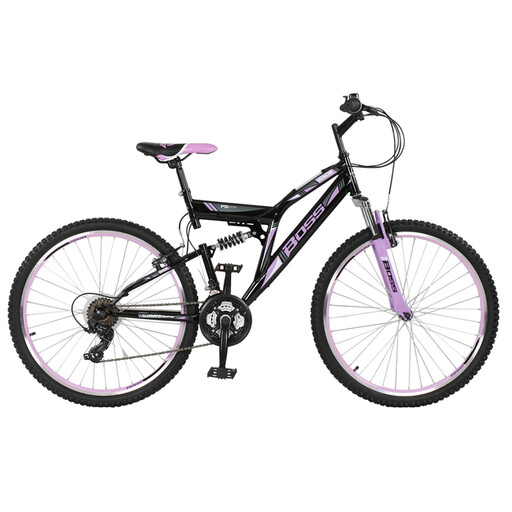
Why This Fits Their Persona: A practical option for adults seeking a bicycle for general riding, parks, gravel paths and casual off-road use without moving into specialist trail equipment.
Its listing states the intended use and specifically excludes downhill riding, heavy drops and extreme BMX activity, helping set realistic expectations.
21 speeds, suspension forks, V-brakes and 26 × 1.95-inch tyres with deep tread.
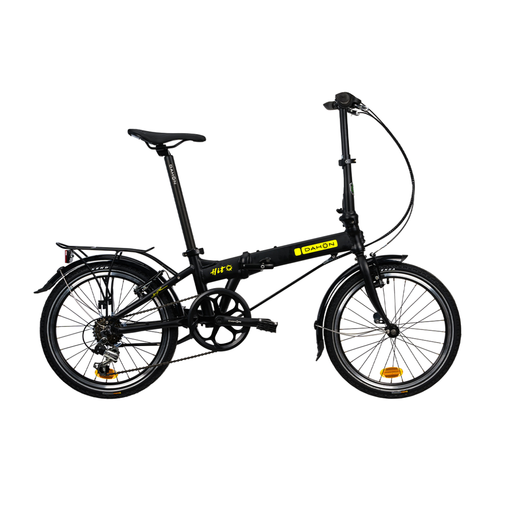
Why This Fits Their Persona: Designed for urban riders who need a compact bicycle for commuting, public transport connections or storage in a smaller UK home.
The stated folded size is 65 × 34 × 82 cm, and the product is listed as requiring no assembly beyond unfolding and adjustment.
11.54 kg aluminium construction, six-speed drivetrain, mudguards and rear rack.
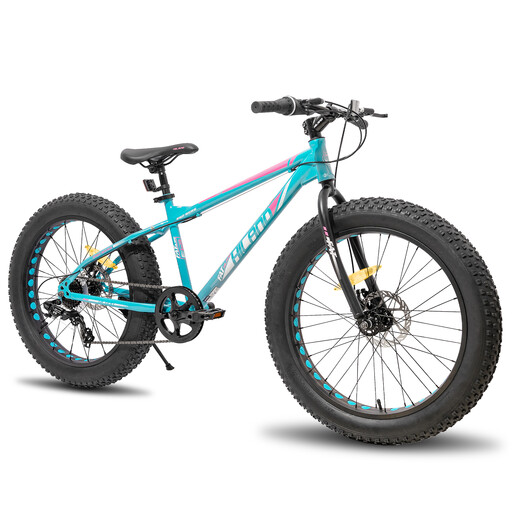
Why This Fits Their Persona: Suitable for older children and young teenagers who ride on gravel, mud, sand or uneven paths under adult supervision.
Its 4-inch fat tyres are specified for sand, snow, gravel and mud, while the product information clearly states the 16.8 kg approximate weight.
Seven-speed drivetrain, dual mechanical disc brakes and adjustable seat.
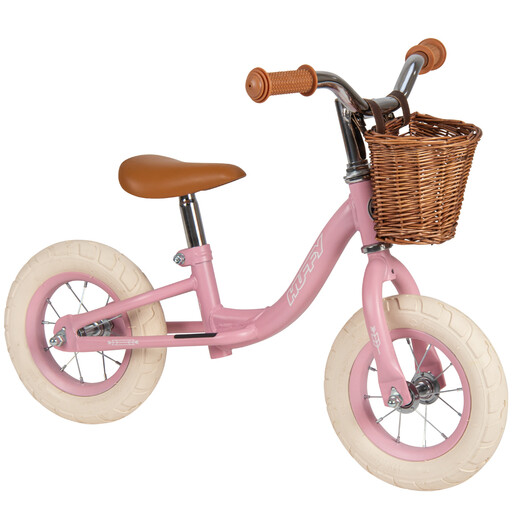
Why This Fits Their Persona: A simple starting point for children aged two and over who are learning steering, balance and gliding before progressing to pedal cycling.
It is a pedal-free balance bike rather than an oversized children’s bicycle, with a listed maximum user weight of 27 kg and direct-supervision guidance.
10-inch wheels and a lightweight frame designed for young children to handle.
We have compiled a complete, real-time list of products that fully satisfy these strict selection criteria and UK safety regulations.
Use the child’s height, inside leg measurement and the manufacturer’s guidance together. A balance bike may suit a child from around two years, while 16-inch, 20-inch and 24-inch children’s bicycles are usually selected as the rider grows. Always check the stated age range, maximum weight and whether the child can comfortably reach the brakes.
They can suit city journeys where compact storage is important. Check the folded dimensions, bicycle weight, wheel and tyre size, gear range and whether mudguards or a rack are included. Folding bikes are generally intended for roads and gentle urban routes rather than rough trails.
Before each ride, check tyre pressure, both brakes, quick-release mechanisms and visible bolts. Clean the chain and frame after wet or muddy rides, lubricate the drivetrain when required and inspect brake pads and tyres for wear. Part-assembled bikes may also need an initial gear and brake adjustment.