
24/7 Customer Support

Free returns

Same-day & Next-day Delivery

Quality Guaranteed

Unlock Your Welcome Offers: FREE Delivery | Up to 80% OFF | Free 30-day JoyPlus trial
Download the APP
Buying bin liners should be simple, but the wrong size or material can quickly lead to split bags, loose edges and unnecessary spending. UK households also have to consider different waste collections, from general rubbish and recycling to food waste and garden waste.
Whether you need kitchen bin liners, refuse sacks for an office or compostable caddy liners for food scraps, compare the practical specifications rather than relying on phrases such as “extra strong” or “eco-friendly”.
A 50-litre liner will not necessarily fit every 50-litre bin. Bin shapes vary, and a tall, narrow pedal bin needs a different fit from a wide kitchen bin. A bag that technically has enough capacity may still slip inside the rim or fail to cover the base.
Check the liner’s width and height, as well as its stated capacity. For example, 75-litre refuse sacks may suit larger household or commercial bins, while 30-litre bin liners are generally more appropriate for tall kitchen bins and smaller households.
Thickness and strength are not the same thing. A liner can handle ordinary household waste but still tear when filled with broken packaging, garden debris or sharp edges. No plastic refuse sack should be treated as suitable for hot ashes, chemicals, hazardous waste or unwrapped glass.
To reduce tearing:
Terms such as compostable, biodegradable and degradable describe different material behaviours. Compostable caddy liners may be suitable for food waste collections or a suitable composting system, but acceptance varies between UK councils.
A liner containing a degradable additive is not automatically suitable for home composting or recycling. Always follow the packaging and your local authority’s waste instructions. When purchasing food waste bin liners, check whether the product is intended for a 5-litre caddy, a 4-litre caddy or another specific container.
Use the bin’s internal width, height and shape as your starting point. As a general guide:
These categories are not universal measurements, so compare the product dimensions with your bin before ordering.
Most general-purpose bin bags use polyethylene. Recycled plastic bin liners can reduce reliance on virgin plastic, but they remain plastic products and should be disposed of according to local waste rules.
Corn-starch or other compostable liners are intended for organic waste in suitable conditions. They may help keep a kitchen caddy cleaner, but they should not be placed in a recycling stream unless your council specifically permits this. Composting performance can depend on moisture, temperature and the facilities available.
The closure affects both convenience and containment:
The following options match different household requirements. Product suitability depends on your bin dimensions, waste type and local disposal arrangements.
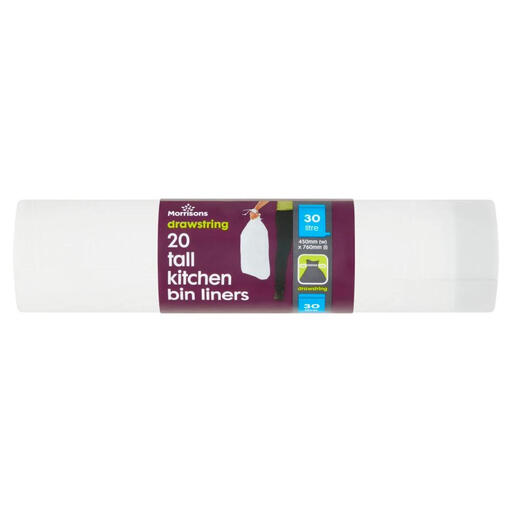
Why This Fits Their Persona: A practical option for tenants, students and smaller UK households using a tall kitchen bin and wanting a familiar pack size.
The 30-litre label and drawstring closure make the intended use clearer than choosing a generic sack by capacity alone. Avoid overfilling or placing sharp waste inside.
Drawstring closure; pack of 20; designed for tall kitchen bins.
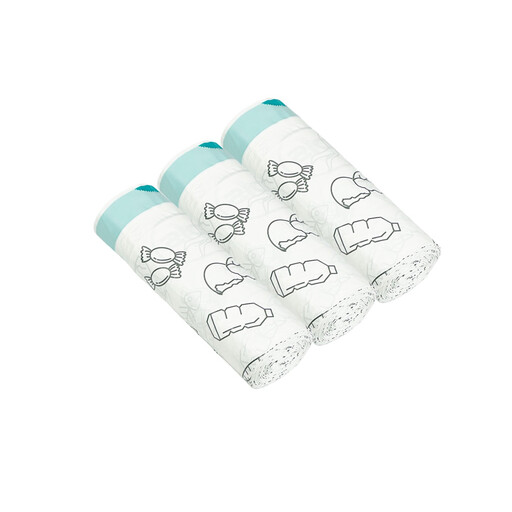
Why This Fits Their Persona: Suitable for households that prefer a larger supply, drawstring handling and recycled-content material for routine general waste.
It specifies compatibility with 50-litre and 60-litre bins and states that the liners use 30% recycled plastic, avoiding vague environmental wording.
45 liners across three rolls; drawstring closure; 30% recycled plastic.
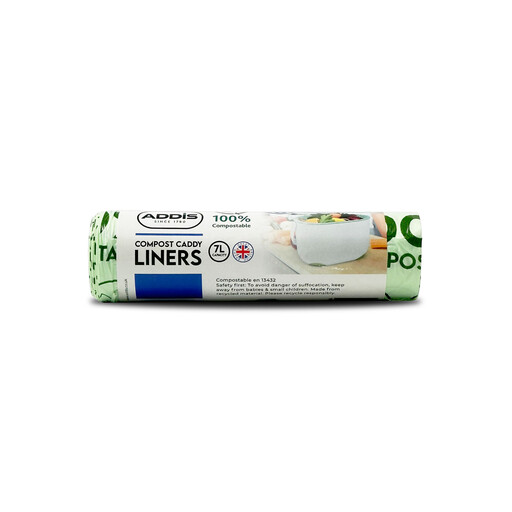
Why This Fits Their Persona: Designed for households using a small kitchen caddy to collect peelings, coffee grounds and other food scraps.
The product is specifically described as corn-starch based and intended for suitable composting conditions. Confirm acceptance with your council before disposal.
20 liners per roll; sized for Addis 4-litre caddies; intended for food waste.
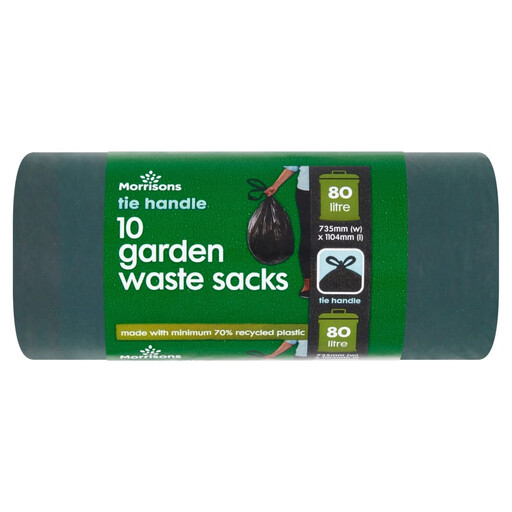
Why This Fits Their Persona: A useful match for gardeners clearing leaves, grass cuttings and other bulky but generally lightweight garden debris.
The 80-litre capacity and stated garden use reduce the risk of forcing bulky debris into a smaller household liner. Do not use for hot or sharp waste.
80-litre capacity; integrated tie handles; pack of 10 sacks.
Insert the liner fully into the bin and fold the edge over the rim before adding waste. Keep wet food waste separate from dry rubbish where possible and empty caddies regularly to limit residue. Store unused bags in a cool, dry place away from direct sunlight and heat.
For offices and shared homes, buying larger rolls can reduce the frequency of reordering. However, compare the cost per liner, not simply the pack price. A smaller pack may be more suitable if the bag material has a limited storage life or if your waste collection routine changes.
We have compiled a complete, real-time list of products that fully satisfy these strict selection criteria and UK safety regulations.
Start with a liner labelled for 50 or 60 litres, then check its width and height against the bin. A slightly larger liner can provide useful overhang, but excessive material may bunch inside and reduce usable capacity.
No. Collection rules differ between councils. Check your local authority’s food waste guidance before placing compostable liners in a kerbside caddy. Some councils accept certified compostable liners, while others request loose food waste or specific approved bags.