
24/7 Customer Support

Free returns

Same-day & Next-day Delivery

Quality Guaranteed
Download the APP
Categories
As a parent, you want the very best for your baby's delicate skin, but you're also mindful of your environmental footprint. Navigating the world of baby wipes can be confusing, with terms like 'biodegradable', 'eco-friendly' and 'plastic-free' often used interchangeably. Many parents are surprised to learn that a majority of standard baby wipes contain plastic, which can take hundreds of years to break down.
My role as the Joybuy Product Recommendation Officer is to help you cut through the marketing jargon and find products that are genuinely gentle on your baby and the planet. This guide offers practical advice for choosing the right wipes and highlights some excellent options available in the UK for 2026.
Making an informed choice is easier when you know what to look for. Here are a few key points to consider during your search.
The most important factor for an eco-conscious choice is finding plastic free baby wipes. While a wipe might be labelled 'biodegradable', this term simply means it will break down over time, but it doesn't guarantee it's free from plastics. Wipes containing plastic break down into microplastics, which can harm the environment.
Look for wipes explicitly described as 100% plastic-free and made from plant based wipes materials like viscose, wood pulp or bamboo. These materials are derived from natural, renewable sources and will biodegrade without leaving harmful residues.
A baby's skin is significantly thinner and more sensitive than an adult's, making it prone to irritation. When choosing sensitive skin baby wipes, a simple formula is often the most effective.
Many parents opt for newborn water wipes, which typically contain over 99% water and a minimal number of other ingredients. Always check the label for hypoallergenic baby wipes and unscented baby wipes that are free from potential irritants like alcohol, chlorine, perfumes and parabens. This reduces the risk of nappy rash and other skin reactions, especially for babies with eczema-prone skin.
From a practical standpoint, buying bulk baby wipes is often more economical and ensures you don't run out at an inconvenient moment. However, packaging is just as important. Look for packs with a sturdy, resealable lid. This prevents the wipes from drying out and makes it easier to pull out one wipe at a time—a small feature that makes a big difference during a tricky nappy change.
Based on their materials, formula and user-focused features, here are our recommendations for parents seeking high-quality, eco-friendly wipes.
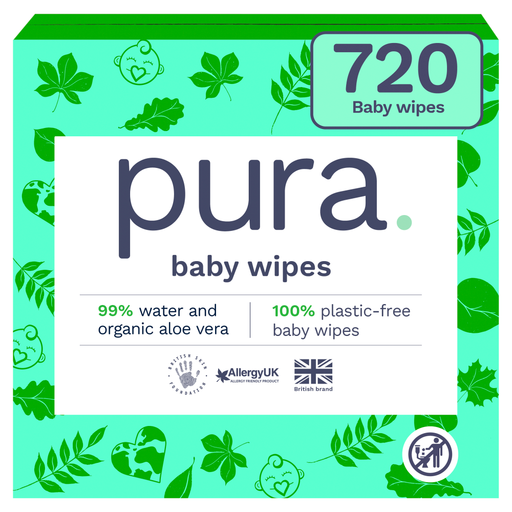
Why It Stands Out: Pura offers a complete package for the eco-conscious family. The wipes are not only 100% plastic-free and biodegradable but also compostable. As a certified B Corp manufactured in the UK, the brand demonstrates a strong commitment to social and environmental standards.
Pros:
Who is it for: Perfect for families committed to sustainability who want a certified, UK-made bulk supply that’s kind to sensitive skin.
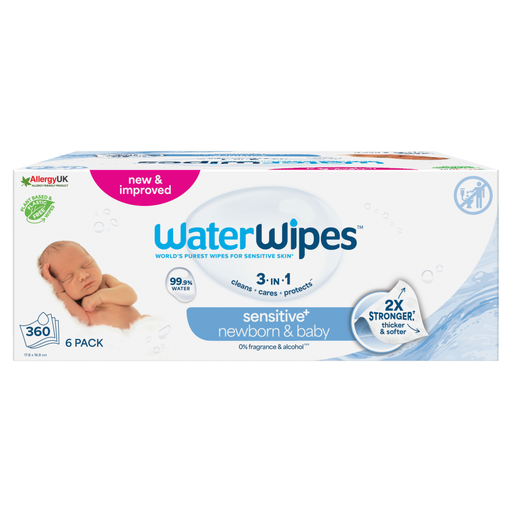
Why It Stands Out: WaterWipes is renowned for its exceptionally pure formula, containing just two ingredients: 99.9% purified water and a drop of grapefruit seed extract. This minimalist approach makes it a trusted choice for the most delicate skin.
Pros:
Who is it for: An excellent choice for parents of newborns, premature babies or children with highly sensitive or eczema-prone skin who prioritise minimal ingredients.
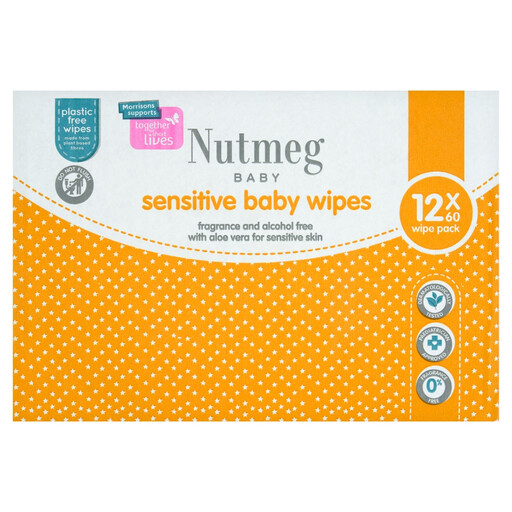
Why It Stands Out: Nutmeg provides a dependable and affordable solution without compromising on gentleness or eco-credentials. These dermatologist-tested wipes are both fragrance-free and made from plastic-free, plant-based fibres.
Pros:
Who is it for: A practical and affordable option for families needing a reliable, gentle and eco friendly baby wipes solution for everyday use.
If you're searching for a different quantity or pack size, our full range of 60 Wipes Pack options provides plenty of choice to meet your family's specific needs.
No. You should never flush any type of baby wipe, including those labelled 'biodegradable' or 'flushable'. They do not break down quickly enough in the UK's sewage systems and are a major cause of blockages, leading to 'fatbergs'. Always dispose of used wipes in your general waste bin.
'Biodegradable' means the product will break down into natural elements over a period of time. 'Compostable' is a more specific term, meaning the product can break down in a composting environment (either at home or in an industrial facility) to become nutrient-rich soil, usually within a specific timeframe. Some wipes, like Pura's, are suitable for home composting, but it's advised not to compost wipes with heavy faecal matter.
Wipes with minimal ingredients, such as newborn water wipes, are often recommended by healthcare professionals for a baby's delicate skin. Their simple, water-heavy formulas reduce the risk of irritation, making them an ideal choice from birth. Always look for wipes that are free from alcohol, perfumes and other unnecessary chemicals.