
24/7 Customer Support

Free returns

Same-day & Next-day Delivery

Quality Guaranteed

Unlock Your Welcome Offers: FREE Delivery | Up to 80% OFF | Free 30-day JoyPlus trial
Download the APP
As a parent in the UK, you’re likely juggling a dozen things at once. Choosing the right baby wipes shouldn't add to the stress, but the sheer number of options can be overwhelming. You want something gentle enough for your baby’s delicate skin, yet you’re also conscious of the environmental impact of daily essentials. Navigating terms like "biodegradable", "plastic-free" and "plant-based" can feel like a full-time job.
This guide is here to help. As the Joybuy Product Recommendation Officer, my role is to cut through the jargon and offer clear, practical advice. We'll explore what makes a good biodegradable baby wipe and highlight a few standout options to help you make a confident choice for your family and the planet.
Before we get to our recommendations, here are a few key points to consider when you're comparing packs on the shelf or online.
Many conventional baby wipes contain plastic, which can take hundreds of years to break down. When looking for eco-friendly baby wipes, the first step is to check that they are genuinely plastic-free baby wipes. Look for wipes made from plant-based wipes materials like sustainably sourced wood pulp, bamboo or regenerated cellulose. These materials are designed to biodegrade, reducing their long-term environmental footprint.
For little ones, especially those with delicate skin, less is often more. Sensitive skin baby wipes should have a simple, gentle formula. Opt for fragrance-free baby wipes to minimise the risk of irritation. Products that are predominantly water-based, often called water wipes for newborns, are an excellent choice as they contain minimal ingredients, making them suitable from birth. Always check the full ingredient list for potential allergens.
Certifications provide an extra layer of assurance. In the UK, look for logos from reputable organisations:
Here are three products that meet the criteria for being gentle, effective and more environmentally conscious.
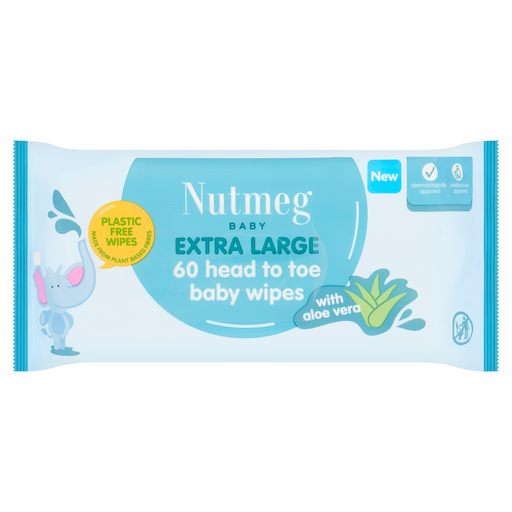
Why It Stands Out These wipes offer a practical and affordable solution without compromising on eco-credentials. The extra-large size makes them highly efficient for everything from nappy changes to messy meal times, meaning you may use fewer wipes per clean-up. They are made from 100% plastic-free, plant-based fibres and are enriched with soothing aloe vera.
Pros:
Who is it for? Parents looking for a versatile, affordable and durable wipe that is suitable for all-over use on babies and toddlers.
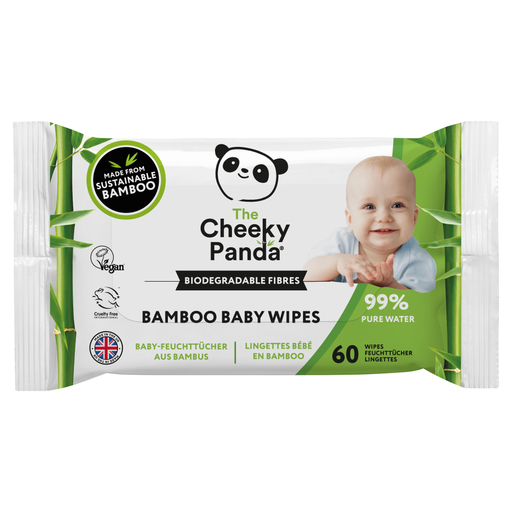
Why It Stands Out The Cheeky Panda stands out for its commitment to using bamboo, a highly sustainable resource. These wipes are crafted from 100% FSC-certified bamboo fibres and are formulated with 99% purified water. The brand's strong ethical stance is backed by both Vegan Society and Leaping Bunny certifications, making them a popular choice for the eco-conscious consumer.
Pros:
Who is it for? Environmentally-minded parents who prioritise sustainable materials like bamboo and want to support a brand with a strong ethical and charitable mission.

Why It Stands Out WaterWipes are renowned for their purity. With just two ingredients—99.9% purified water and a drop of grapefruit seed extract—they are designed to be as gentle as cotton wool and water. The wipe material itself is plant-based and plastic-free. Their formula is approved by the Skin Health Alliance and recognised by Allergy UK, making them a trusted choice for the most sensitive skin. This baby wipes multipack is also convenient for stocking up.
Pros:
Who is it for? Parents of newborns or babies with extremely sensitive or eczema-prone skin who require the purest, most gentle wipe available.
Our selection doesn't end here. If you're looking for different pack sizes, specific formulations or other baby care essentials, you can explore our full range of baby care products to find exactly what you need.
Are biodegradable baby wipes flushable? No. Even if a wipe is biodegradable, it should never be flushed down the toilet. These wipes do not break down quickly enough in the sewer system and can contribute to serious plumbing blockages, sometimes known as 'fatbergs'. Always dispose of used wipes in a household waste bin.
What is the difference between 'biodegradable' and 'compostable' wipes? 'Biodegradable' means the product can be broken down by microorganisms over time, but this term doesn't specify the conditions or timeframe. 'Compostable' is a more specific claim, meaning the product will break down into natural elements in a composting environment within a certain period without leaving toxic residue. Always check the packaging for specific disposal guidance.
Are water-based wipes a better choice for sensitive skin? Wipes with a high water content and minimal ingredients, like water wipes for newborns, are generally an excellent choice for sensitive skin. By being free from common irritants like alcohol and fragrances, they reduce the likelihood of causing redness or a rash, making them ideal for the delicate skin of babies.