
24/7 Customer Support

Free returns

Same-day & Next-day Delivery

Quality Guaranteed

Unlock Your Welcome Offers: FREE Delivery | Up to 80% OFF | Free 30-day JoyPlus trial
Download the APP
By Joybuy Product Recommendation Officer
Facial wipes offer undeniable convenience, but for many, this comes with concerns about environmental impact and skin sensitivity. The good news is that you no longer have to choose between a quick cleanse and your principles. The market for biodegradable face wipes has grown, offering effective, skin-friendly solutions made from plant-based facial wipes that break down after use.
Navigating the options can be tricky. How do you know which wipes are genuinely eco-friendly? And which ones will be gentle enough for your skin? This guide is designed to help you make an informed choice, breaking down what to look for and highlighting some of our top recommendations for 2026.
Before you add a pack to your basket, consider these key factors to ensure the product meets your needs for both performance and sustainability.
The main difference between traditional and eco-friendly face wipes lies in the material. Many conventional wipes contain plastics like polyester, which do not biodegrade and contribute to landfill waste. Look for wipes made from 100% plant-based fibres, such as wood pulp or bamboo.
For those with reactive or delicate complexions, the formula is just as important as the wipe itself. Many face wipes for sensitive skin are specifically formulated to cleanse without causing irritation.
Look for products that are free from common irritants such as alcohol and perfume. Instead, seek out formulas enriched with soothing and hydrating ingredients like Pro-Vitamin B5, Vitamin E or glycerin. A "dermatologically tested" or "hypoallergenic" claim on the packaging indicates the product has been formulated to minimise the risk of allergic reactions.
A good cleansing wipe should be effective enough to remove daily grime, pollution and even waterproof makeup without excessive rubbing, which can stretch and irritate the skin. The texture of the wipe and the cleansing lotion it is soaked in work together to lift away impurities. A well-designed wipe provides a thorough cleanse, leaving your skin feeling refreshed and clean, not tight or stripped of moisture.
Here are a few standout options that balance performance, skin-friendliness and environmental considerations.
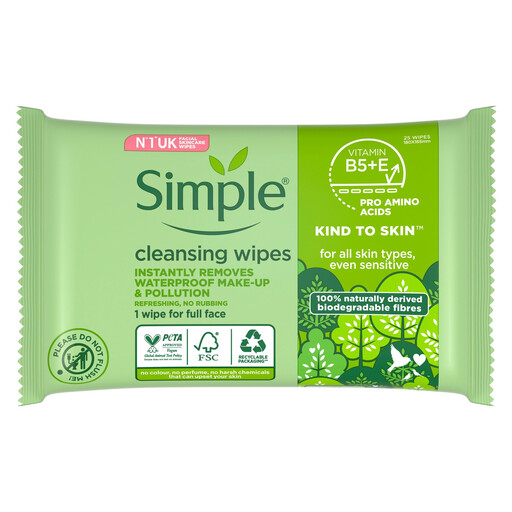
Why It Stands Out: These wipes are a popular choice for their gentle yet effective formula and clear eco-credentials. Made from FSC-certified, plant-based fibres, they are designed to be compostable at home, breaking down in just 42 days. The formula is infused with skin-loving ingredients like Vitamin B5 and Vitamin E to support the skin's barrier while removing impurities and waterproof makeup.
Pros:
Who is it for?: A great choice for those who prioritise home composting and need a reliable, gentle wipe for daily use, including removing stubborn makeup.
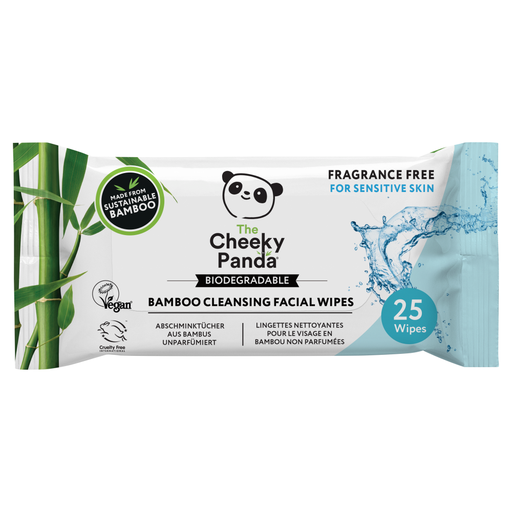
Why It Stands Out: These wipes leverage the sustainable properties of bamboo, a fast-growing grass that requires minimal resources. The formula is minimalist, using 99% purified water and naturally derived cleansing agents, making it an excellent choice for very sensitive skin. The brand is committed to being plastic-free, cruelty-free and vegan.
Pros:
Who is it for?: Perfect for the minimalist user with very sensitive or reactive skin, who prefers an unscented, water-based formula and values products from a sustainability-focused brand.
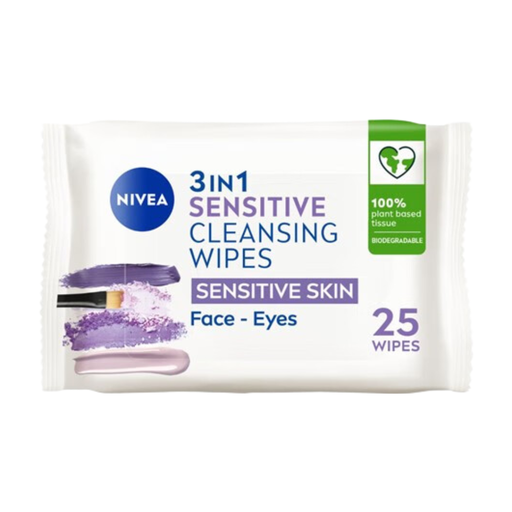
Why It Stands Out: These wipes are specifically formulated for sensitive skin, featuring a 0% alcohol formula and enriched with Pro-Vitamin B5. They are made with 100% plant-based, biodegradable fibres and are designed to remove even waterproof mascara gently. Being ophthalmologically tested means they have been assessed for use around the delicate eye area.
Pros:
Who is it for?: An excellent option for individuals with sensitive skin looking for an all-in-one cleansing solution that effectively removes waterproof mascara while hydrating the skin.
If these recommendations aren't quite what you're looking for, or if you're interested in exploring other formats like reusable cloths, our broader collection offers more choice. Discover our full range of facial cleansing cloths to find your perfect match.
No. You should never flush any type of wipe down the toilet, including those labelled biodegradable or flushable. They do not break down quickly enough in sewer systems and are a major cause of "fatbergs" and blockages. Always dispose of used wipes in a general waste or compost bin as directed on the packaging.
Not automatically, but many are designed with sensitivity in mind. The benefit often comes from what is left out of the formula—many eco-friendly face wipes are free from alcohol, fragrances and other common irritants. The material itself, being a soft, plant-based fibre, can also feel gentler on the skin than synthetic alternatives. Always check the ingredients list to be sure.
This varies significantly depending on the material and the disposal environment. Some wipes, like the Simple ones mentioned, can break down in a home compost bin in as little as 42 days. Others may take several months or longer, especially in a landfill environment where conditions are not optimised for decomposition. Check the product packaging for specific claims and disposal instructions.