
24/7 Customer Support

Free returns

Same-day & Next-day Delivery

Quality Guaranteed

Unlock Your Welcome Offers: FREE Delivery | Up to 80% OFF | Free 30-day JoyPlus trial
Download the APP
From nappy changes to wiping down kitchen counters, wet wipes offer undeniable convenience. However, the environmental cost of traditional, plastic-laden wipes has become a major concern for many UK households. This has led to a surge in demand for biodegradable wipes, but navigating the market is not as straightforward as it seems. Misleading labels and confusing terminology can lead you to purchase products that aren't as eco-friendly or skin-friendly as you believe.
As a Joybuy Product Recommendation Officer, my role is to help you see past the marketing jargon. This guide will break down the common purchasing pitfalls and highlight the key factors to consider, ensuring you choose a product that is effective, safe and genuinely better for the environment.
Many of us have been caught out by clever marketing. Before you add a pack of wipes to your basket, be aware of these common traps:
plastic-free wipes are typically made from 100% cellulose, bamboo or wood pulp.baby wipes for sensitive skin can sometimes contain fragrances, alcohol or preservatives that may cause irritation. A truly gentle formula should have minimal ingredients, be fragrance-free and ideally be dermatologically tested or certified by bodies like OEKO-TEX.To make an informed choice, focus on these non-negotiable product details. They are far more important than flashy packaging or marketing claims.
The material of the wipe itself is the most critical factor. Look for clear statements on the packaging that specify the composition.
Independent certifications provide a reliable way to verify a product's claims. For wipes, these are some of the most relevant ones in the UK:
nappy change wipes and personal care wipes, as it tests for harmful substances, ensuring the final product is safe for direct skin contact.flushable toilet wipes, this logo is essential.The liquid solution in a wipe is tailored for its specific purpose. Using the wrong type can be ineffective or even damaging.
Unscented wet wipes with over 99% water and soothing ingredients like aloe vera are ideal for sensitive skin. Biodegradable dog wipes should have a pH-balanced formula specifically for canine skin.Antibacterial surface wipes contain disinfectants (like benzalkonium chloride) to kill germs on counters and doorknobs. Eco-friendly floor wipes are formulated to cut through grease and grime on hard surfaces. Never use surface cleaning wipes on skin.To help you find the right fit, we have matched some well-regarded products to common UK user needs.
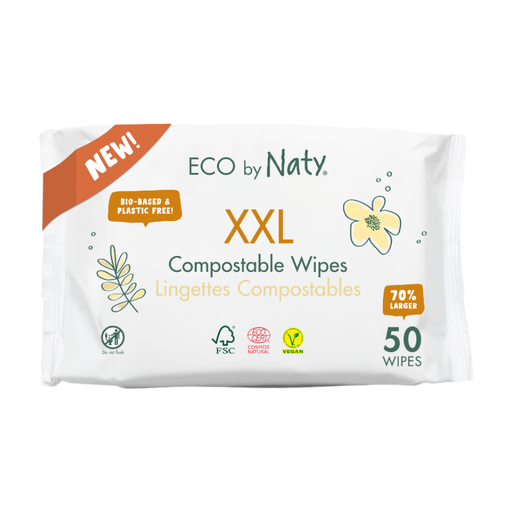
Why This Fits Their Persona: Ideal for parents who prioritise both their baby's delicate skin and environmental responsibility. The gentle, water-based formula is perfect for frequent nappy changes.
It is made from 100% FSC-certified wood pulp, making it genuinely plastic-free and compostable. The fragrance-free, 98.4% pure water formula avoids the "sensitive but irritating" trap.
Extra-thick texture provides a durable clean. Enriched with aloe vera to soothe skin. Certified by TUV Austria for compostability.
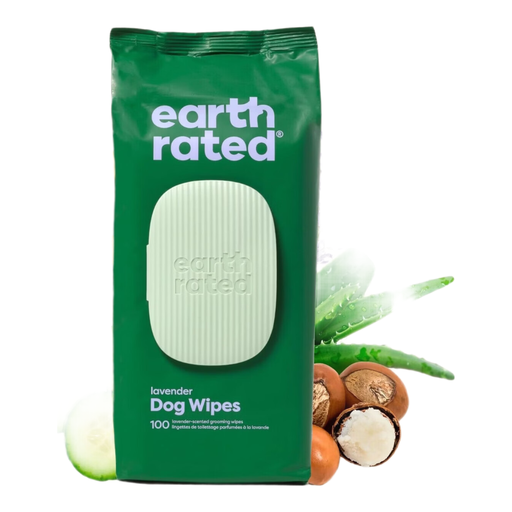
Why This Fits Their Persona: Perfect for cleaning muddy paws after a walk in the park or a quick freshen-up. The formula is specifically designed for a dog's skin and coat.
These are compostable, plant-based wipes, avoiding hidden plastics. The hypoallergenic, alcohol-free formula is made for pets, preventing the use of potentially harmful human-grade wipes on animals.
Contains shea butter, aloe vera and chamomile for gentle conditioning. The lavender scent provides a pleasant fragrance. Large pack size offers good value.
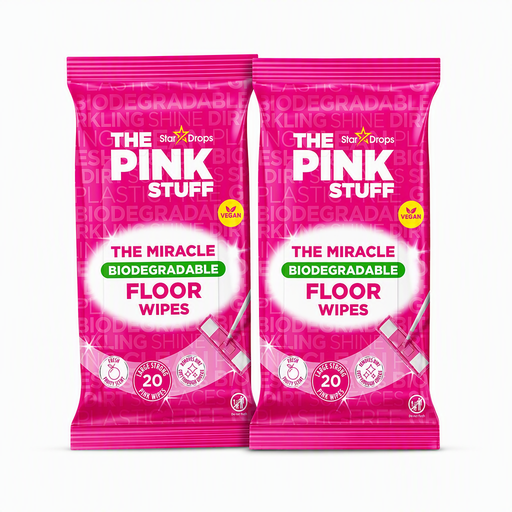
Why This Fits Their Persona: For those who need a quick and effective way to clean hard floors without the hassle of a mop and bucket, while still making an environmentally conscious choice.
These wipes are explicitly described as biodegradable and made from plant-based fibres, directly addressing the "hidden plastics" trap common in household cleaning wipes.
Large size for good floor coverage. Suitable for a variety of hard surfaces including tiles, laminate and sealed wood. Can be used by hand or with a compatible mop head.
We have compiled a complete, real-time list of products that fully satisfy these strict selection criteria and UK safety regulations.
1. Can I put all biodegradable wipes in my home compost bin? Not always. Wipes used for cleaning up pet faeces, human waste (like from adult incontinence wipes) or harsh chemicals should not be home-composted as they can introduce harmful pathogens into your compost. Wipes used for simple water-based clean-ups may be suitable if the packaging states they are "home compostable." Otherwise, dispose of them in your general waste bin, where they will still biodegrade far more quickly than plastic-based wipes.
2. What is the difference between 'biodegradable' and 'compostable'? 'Biodegradable' means the material can be broken down by microorganisms over time, but this can be a slow process. 'Compostable' means the material will break down into non-toxic, natural elements in a compost environment within a specific timeframe (usually 90-180 days). For home use, "home compostable" is the highest standard, as industrial composting facilities are not accessible to everyone.
3. Are there any truly flushable wipes available in the UK? Yes, but they are the exception, not the rule. To be certain, you must look for the official 'Fine to Flush' logo on the packaging. This certification, developed by Water UK, means the product has passed strict scientific tests to prove it will break down in the UK sewer system without causing blockages. If you don't see this specific logo, bin the wipe.