
24/7 Customer Support

Free returns

Same-day & Next-day Delivery

Quality Guaranteed

Unlock Your Welcome Offers: FREE Delivery | Up to 80% OFF | Free 30-day JoyPlus trial
Download the APP
By Joybuy Product Recommendation Officer
Wipes are convenient for nappy changes, make-up removal, travel and quick household cleaning. However, choosing biodegradable wipes is not simply a matter of picking the pack with the greenest-looking label. Material claims, disposal instructions and skin compatibility can vary considerably.
A lower-impact choice still needs to work for the job you have in mind. A facial wipe may not have the strength or cleaning ingredients needed for floors, while a fragranced antibacterial hygiene wipe may not suit sensitive skin. Use this guide to compare the details that matter before spending money.
A biodegradable wipe can break down over time, but that does not mean it will disperse safely in household plumbing. Most wipes should go into the general waste bin unless the packaging specifically states otherwise. Even then, follow the stated quantity and local water company guidance.
The safest rule for baby wipes, cleansing wipes, make-up remover wipes and biodegradable cleaning wipes is simple: do not flush them. Femfresh’s product information includes specific flushing instructions, but consumers should still follow the pack directions carefully and never assume that every plant-based wipe is suitable for toilets.
Terms such as plant-based wipes, bamboo wipes and plastic-free wipes describe the fibre or substrate, not necessarily the whole product. Check whether the wipe itself contains polyester or other synthetic fibres, and distinguish this from recyclable outer packaging.
Some products provide clearer material information. The Cheeky Panda baby and facial wipes, for example, specify bamboo fibres and plastic-free construction. Simple’s cleansing wipes describe 100% biodegradable plant-based fibres. These statements are useful, but disposal conditions still matter.
“Natural”, “gentle” and “sensitive” are not substitutes for reading the ingredients list. Fragrance, preservatives and cleansing agents may be acceptable for one person but uncomfortable for another. People with sensitive skin should look for fragrance-free, alcohol-free formulas where appropriate, and stop using any wipe if irritation develops.
Wipes are also a convenience product rather than a replacement for thorough washing or a complete skincare routine. For facial use, follow with water or a regular cleanser when practical, particularly after heavy make-up or sunscreen.
Look for a clearly stated substrate, such as 100% bamboo fibre, plant-based non-woven fibre or another specified material. “Biodegradable” should ideally be accompanied by information about the conditions or time frame involved.
A product described as compostable may require a particular home or industrial composting environment. Do not place used wipes in food-waste collections unless your local council and the product packaging specifically allow it. In many UK households, used wipes belong in general waste.
For babies and sensitive skin, compare:
For facial wipes, check whether the product is intended for eye and lip make-up removal. For antibacterial hygiene wipes, check whether they are intended for hands, face or body, as these uses are not automatically interchangeable.
A resealable pack helps prevent wipes drying out, especially in a changing bag, gym bag or car. Compare the number of wipes with the intended frequency of use rather than choosing solely by pack price.
Large disposable towels can be more practical for travel, camping or post-exercise drying, while smaller packs of 15–25 wipes are convenient for occasional personal hygiene. For floor and household wipes, check the sheet size and whether they attach to a compatible mop.
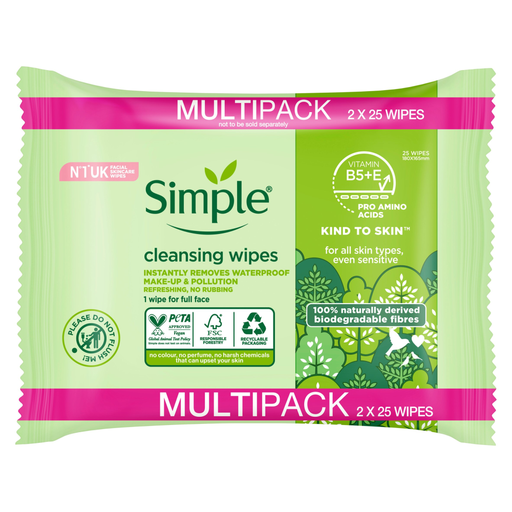
Why This Fits Their Persona: A 50-wipe pack offers a practical starting point for shoppers wanting biodegradable facial cleansing wipes for regular use, travel or a gym bag.
The product specifies biodegradable plant-based fibres and is free from artificial perfume, colour and alcohol according to the supplied product information.
Contains glycerin, Pro-Vitamin B5 and vitamin E; the resealable pack is designed to retain moisture.
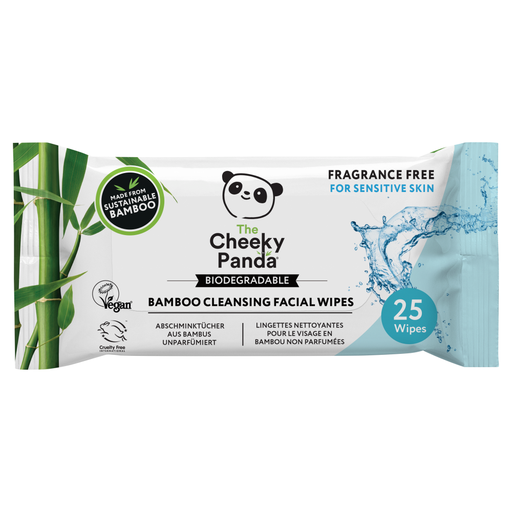
Why This Fits Their Persona: Suitable for shoppers prioritising an unscented facial wipe with a clearly stated bamboo substrate for handbags, holidays and occasional cleansing.
It identifies FSC-certified bamboo fibres, 99% purified water and an unscented formula rather than relying only on broad eco-friendly wording.
The pack contains 25 facial wipes and the product information states that the fibres are plastic-free and biodegradable.
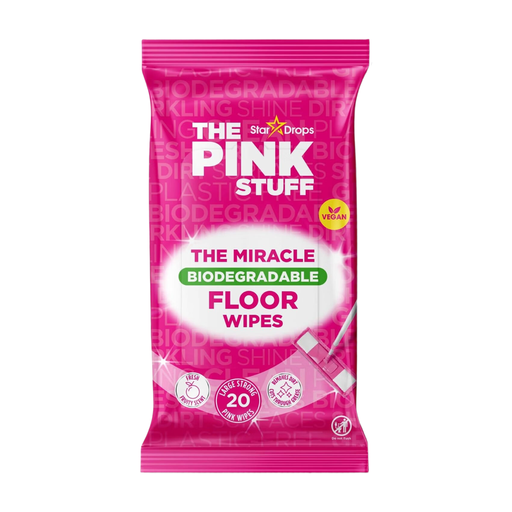
Why This Fits Their Persona: Designed for households needing quick hard-floor touch-ups on tiles, laminate, vinyl and sealed wood, including use with a compatible mop.
The stated surface guidance helps avoid using a floor wipe on unsealed wood or unsuitable materials, where damage could occur.
Large plant-based wipes are suitable for direct hand use or compatible mops, with a 20-wipe pack for regular cleaning.
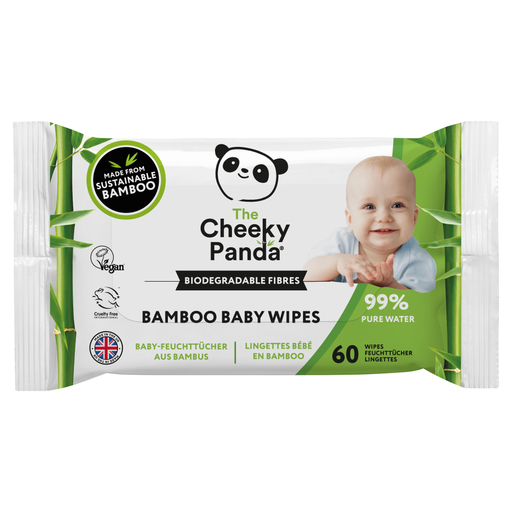
Why This Fits Their Persona: A 60-wipe pack is suited to nappy bags and home changing areas, with product information indicating suitability from birth.
The supplied details specify 99% purified water, fragrance-free formulation and no added alcohol, chlorine or microplastics.
Made from 100% FSC-certified bamboo fibres, with a resealable pack and vegan and cruelty-free certifications stated in the product information.
We have compiled a complete, real-time list of products that fully satisfy these strict selection criteria and UK safety regulations.
Some are formulated without fragrance or alcohol and may be suitable for sensitive skin, but no wipe is suitable for everyone. Check the full ingredient list, follow the age guidance and patch test when appropriate. Stop use if redness, itching or discomfort develops.
The time frame depends on the fibre, moisture, temperature and composting conditions. Some products state a period such as 42 days under specified compost conditions, but this should not be treated as a universal time frame. Follow the packaging and your council’s waste guidance.
The price per wipe can be higher because of the fibre, certification and formulation. Compare pack count, sheet size and intended use rather than pack price alone. For occasional use, a smaller travel pack may reduce waste; for frequent baby care or cleaning, a larger pack can offer a more practical cost per wipe.