
24/7 全天候客户支持

免费退货

当日/次日达

品质保障

开启新人专享福利: 全场免邮 | 低至 2 折 | 免费试用 30 天 JoyPlus 会员
下载 Joybuy
Choosing bird feeders should be simple, but attractive packaging can hide practical problems. A feeder may look suitable in a product photo yet become difficult to clean, unstable in wind or unsuitable for the food you intend to provide.
For UK homeowners, balcony users and garden birdwatchers, the right choice depends on food type, mounting method, access for birds, cleaning requirements and protection from weather or unwanted visitors. This guide explains the main buying traps and matches different types of wild bird feeders to everyday needs.
Seed mixes, peanuts, suet pellets and energy balls need different feeder designs. A narrow mesh peanut feeder is not a practical choice for loose seed, while a seed hopper may not hold a dense energy ball securely.
Before buying, check whether the product is intended for:
A product described generally as a wild bird feeder may not support every food type safely or efficiently.
Many garden bird feeders use selective openings, wire mesh or raised hanging points to make access more difficult for squirrels and larger birds. However, no ordinary hanging feeder should automatically be assumed to be completely squirrel-proof.
Look for practical deterrents such as:
Placement matters as much as the design. A feeder close to a tree trunk or garden structure may be easier for squirrels to reach.
Damp seed can spoil, while accumulated droppings and old food can create hygiene problems for visiting birds. A feeder with decorative features but no easy access for cleaning can become inconvenient after several weeks.
Prioritise wide openings, removable parts, screw-top lids and smooth surfaces. Place bird feeders for outdoor use in a sheltered location, but not so close to dense cover that cats can hide nearby. Check the feeder regularly, discard mouldy food and allow washed components to dry fully before refilling.
Capacity affects how often you need to refill the feeder. A compact feeder may suit a balcony or small garden, while a larger seed bird feeder or smart model can reduce refill frequency.
Check the product description for its intended food. For example, an energy ball feeder is designed around a solid ball, whereas a peanut feeder uses mesh openings that let birds cling while removing pieces of food. Do not force unsuitable food into narrow ports, as this can increase waste or block the feeder.
The main mounting options are:
For suction-cup models, clean and dry the glass before installation. Inspect the attachment points regularly, particularly after frost, heavy rain or strong winds.
Plastic can be lightweight and easy to handle, while metal mesh offers a useful structure for peanut or energy-ball feeding. Transparent acrylic or clear plastic helps you monitor food levels and observe birds from indoors.
An easy-clean bird feeder should allow you to remove old food without narrow, inaccessible corners. Wash with warm soapy water or a suitable mild disinfectant according to the product instructions, rinse thoroughly and dry completely. Always follow the feeder’s safety guidance and keep food away from children and pets.
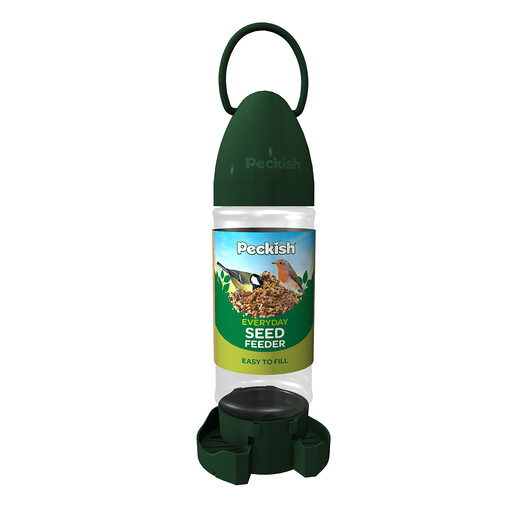
Why This Fits Their Persona: A straightforward option for first-time bird feeders in gardens, balconies or other outdoor spaces.
Its screw-top lid gives access for refilling and cleaning, avoiding designs that are difficult to maintain.
Recyclable plastic construction; suitable for seed mixes, suet pellets and mealworms; 26 cm height.
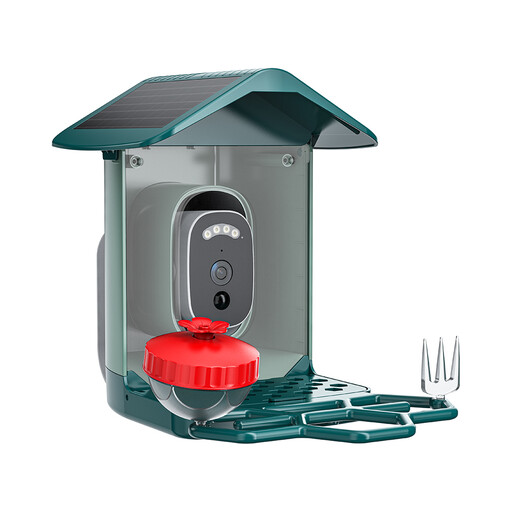
Why This Fits Their Persona: Suits birdwatchers who want recorded photos and videos alongside a conventional outdoor feeder.
The listed battery capacity, mounting options and storage formats make ongoing requirements clearer than vague smart-feeder listings.
2K photos and videos; 2-litre capacity; 5,200mAh battery; solar panel; SD card support from 8GB to 256GB.
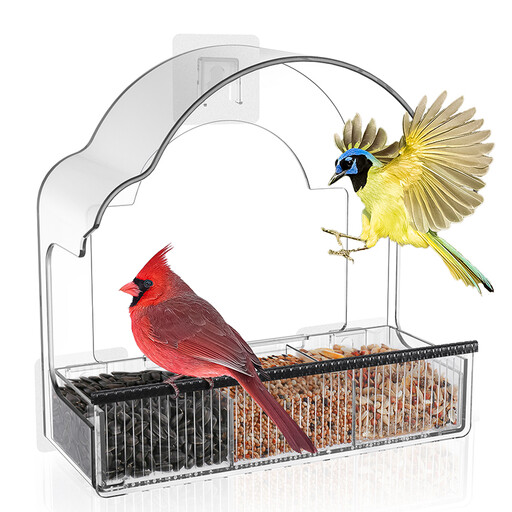
Why This Fits Their Persona: A window-mounted design for families, older people and anyone who prefers viewing birds from indoors.
Six suction cups and widened eaves address two common concerns: movement on glass and rain entering the feed area.
Transparent acrylic; 22 × 9 × 22 cm dimensions; refill and cleaning access; suitable for flat glass surfaces.
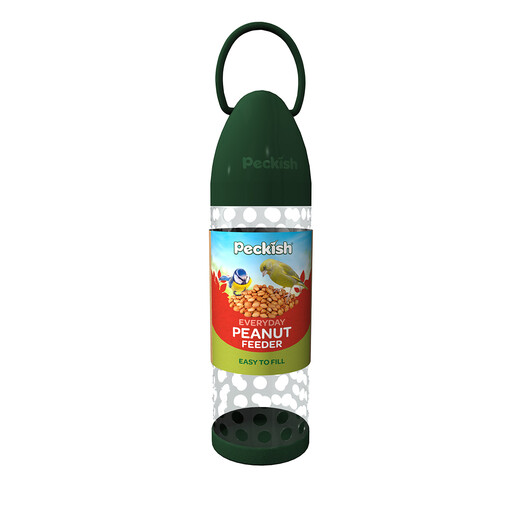
Why This Fits Their Persona: Designed for regular users who specifically want to offer whole peanuts to clinging garden birds.
The all-metal mesh format clearly matches the food type, reducing the risk of buying a general feeder that cannot dispense peanuts properly.
Weather-resistant metal mesh; solid metal top and base; secure hanging loop; suitable for peanuts.
We have compiled a complete, real-time list of products that fully satisfy these strict selection criteria and UK safety regulations.
A feeder’s running cost includes more than the purchase price. Allow for bird food, replacement energy balls, optional cloud storage, SD cards and occasional replacement suction cups or brackets.
For a low-maintenance setup, choose a feeder with a visible food level and easy refill access. Solar-powered bird feeder models can reduce cable management, but they still need a suitable position for sunlight and a reliable Wi-Fi signal where cameras are involved.
Hang or mount the feeder securely, keep it away from cats and avoid placing it directly beside windows where collisions may occur. Window feeders should be checked regularly to confirm that the suction cups remain firmly attached.
Inspect them frequently and clean them whenever food becomes damp, spoiled or contaminated. As a routine, many households choose a weekly cleaning schedule, increasing the frequency during wet weather or heavy use. Dry the feeder completely before adding fresh food.
Lifespan depends on material, weather exposure, food residue and mounting stress. Plastic feeders can remain suitable for extended outdoor use when protected from harsh conditions, while metal mesh models should be checked for rust, sharp edges or damage. Replace any feeder that becomes unstable or unsafe.
Basic seed and peanut feeders mainly require the ongoing cost of food. Energy-ball feeders require replacement balls after the supplied one is consumed. Smart bird feeders with camera features may also involve electricity or charging needs, an SD card purchase and possible cloud-storage charges, depending on the model and storage option selected.