
24/7 Customer Support

Free returns

Same-day & Next-day Delivery

Quality Guaranteed

Unlock Your Welcome Offers: FREE Delivery | Up to 80% OFF | Free 30-day JoyPlus trial
Download the APP
Choosing bird food and feeders can seem straightforward until a feeder rusts, food becomes damp or a supposedly convenient product proves unsuitable for the birds you want to attract. UK shoppers also need to separate practical features from broad marketing language, particularly when comparing wild bird food, garden bird food and smart birdwatching equipment.
This guide focuses on the details that affect everyday use, hygiene and value.
Wild birds and companion birds have different dietary needs. A garden feeder may suit sparrows, tits or finches, but it is not designed for budgies or parrots. Similarly, budgie eggfood and parrot treats are complementary products rather than replacements for a complete pet-bird diet.
Before buying, check whether the label says:
A feeder can look attractive but still be awkward to clean, difficult to refill or poorly protected from rain. Seed that remains wet may spoil, while food debris around a feeding station can increase the risk of disease transmission between birds.
Look for clear access to the food compartment, secure hanging points and materials that can be washed thoroughly. A clear viewing window is useful only if it remains clean and does not become permanently clouded.
Whole peanuts for wild birds should not simply be scattered everywhere. The product guidance recommends using mesh feeders in spring and summer, helping reduce the risk of young birds swallowing large pieces. Suet products also need a suitable holder rather than being left loose in exposed areas.
Keep feeding stations away from cats, busy paths and places where falling equipment could cause injury. Always wash your hands after handling bird food and provide clean water nearby.
A bird seed mix may contain ingredients such as sunflower seed, millet, wheat or niger seed. Different species show different preferences, so a mixed product may be more suitable for general garden activity than a single seed.
For higher-energy feeding, compare the fat and protein sources. Suet cakes for birds and energy balls for birds commonly use beef tallow, seeds, flour or peanuts. These can be practical during cold weather or when natural food is limited, but they should still be stored correctly and replaced when stale or contaminated.
For pet birds, read the analytical constituents and feeding instructions. RIO Eggfood for Budgies and Other Small Birds, for example, lists 16% crude protein and directs owners to offer 1–2 teaspoons two or three times weekly. The product is labelled as complementary feed, so it should be used alongside an appropriate everyday diet.
Prioritise:
Wash feeders regularly with a mild disinfectant, rinse thoroughly and allow them to dry before refilling. Rotate feeding locations when practical, particularly if food accumulates beneath the feeder.
A smart bird feeder with camera can add convenience, but check the practical specifications rather than focusing only on resolution. Important details include:
For example, the CINMOORE model listed below has a 2.5K camera, a 5200mAh rechargeable battery, a 3W solar panel and IP67 water resistance according to its product description. Its basic bird detection is described as free, while optional premium recognition and cloud features may have different terms. Check the current listing before purchase.
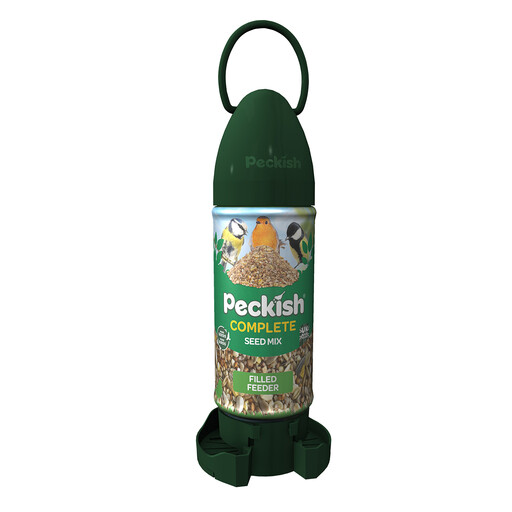
Why This Fits Their Persona: A ready-to-use choice for households that want to start feeding common UK garden birds without buying a feeder and seed separately.
The pre-filled format makes the initial purchase clearer, while the viewing body helps show when the seed level is low.
Ready to hang; clear viewing window; protective metal ports and perches.
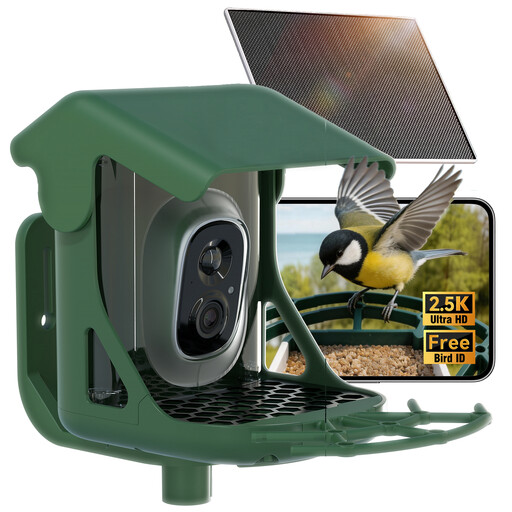
Why This Fits Their Persona: Suits birdwatchers and families who want to view garden visitors remotely through a connected camera.
Its listed low-feed alerts and solar panel address two common inconveniences: checking the feeder manually and frequent recharging.
2.5K camera; IP67 waterproof rating; 2.4G Wi-Fi; solar-assisted power.
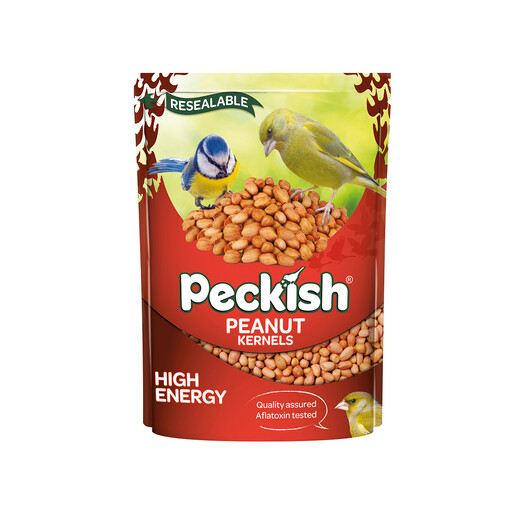
Why This Fits Their Persona: A practical bulk option for active garden feeders that need a substantial supply of wild bird food.
The resealable bag supports storage, while the product is described as tested for aflatoxins. Use a mesh feeder as directed during spring and summer.
2kg resealable pack; 100% peanuts; suitable for mesh feeders and bird tables.
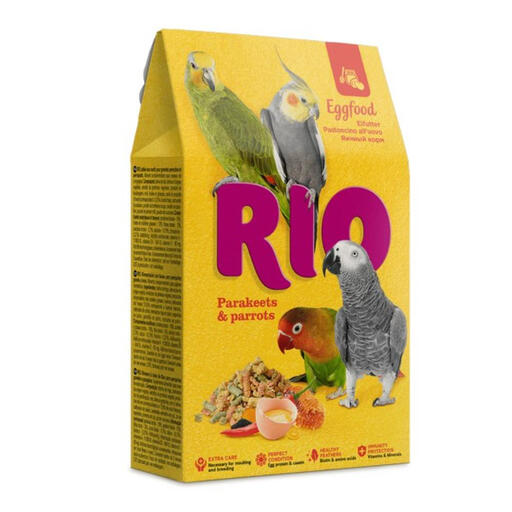
Why This Fits Their Persona: Designed for owners seeking a measured complementary snack for parakeets and parrots rather than garden bird food.
The label identifies it as a complementary snack, helping prevent it being mistaken for a complete everyday diet. Feeding in moderation is specified.
Oven-baked crunchy pieces; 19% crude protein; includes honey, eggs and vegetable protein extracts.
We have compiled a complete, real-time list of products that fully satisfy these strict selection criteria and UK safety regulations.
Place a feeder where birds have a clear view of approaching cats, while keeping it close enough to shrubs or trees for cover. Avoid positioning it directly beneath a branch where predators can hide. If using a bird table, keep food raised from the ground and remove wet or uneaten portions promptly.
For suet cakes or energy balls, use a holder that prevents the food from falling apart in bad weather. Peckish Extra Goodness Balls contain wheat flour, peanuts, black sunflower seeds and beef tallow, and can be used in a suitable feeder, on a bird table or on the ground according to the product information. Fresh water should be supplied separately.
Owners of budgies, parakeets and parrots should use dedicated food containers and follow the pack instructions. Store complementary feeds in a cool, dry place and observe the stated consumption period after opening.
A varied bird seed mix can appeal to several common species, while peanuts, sunflower seeds and suet offer different feeding options. Results depend on local bird populations, feeder position and the availability of natural food.
Clean feeders regularly rather than waiting for visible mould or heavy residue. Empty old food, wash the feeder with a mild disinfectant, rinse it thoroughly and dry it completely before refilling. Increase attention during damp weather or when several birds are using the same station.
A solar-powered model can reduce the need for mains electricity, but its performance depends on sunlight, placement and battery capacity. A camera feeder may also involve optional cloud storage or recognition charges. Check the current product terms, Wi-Fi requirements and included storage before ordering.