
24/7 Customer Support

Free returns

Same-day & Next-day Delivery

Quality Guaranteed

Unlock Your Welcome Offers: FREE Delivery | Up to 80% OFF | Free 30-day JoyPlus trial
Download the APP
Choosing suitable bird food and feeders can be more complicated than it first appears. A low price may hide a small pack, a feeder that is difficult to clean or food intended for a different type of bird. Marketing language can also make ordinary features sound essential.
For UK households, the right purchase depends on whether you are feeding wild garden visitors, budgies, parakeets or parrots. It also depends on where the feeder will sit, how often you can refill it and whether you want straightforward feeding or connected birdwatching technology.
Wild bird food is not interchangeable with pet-bird feed. Whole peanuts, suet cakes and a bird seed mix are designed for outdoor species, while budgie eggfood and parakeet and parrot treats are complementary products for captive birds. Always check the intended species and whether the product is a complete diet or a supplement.
For example, eggfood may provide additional protein and nutrients during particular stages, but it should not replace a balanced everyday diet unless the packaging specifically says so.
A large feeder can reduce refill frequency, but it may also allow old or damp food to remain inside for longer. Seed residue, rainwater and droppings can create a hygiene problem if the design is awkward to dismantle.
Look for a clear food-level window, protected feeding ports and surfaces that can be washed and fully dried. Position outdoor feeders away from cats and areas where birds could collide with windows.
Some foods require a safer feeding method at certain times of year. Whole bird peanuts, for instance, should be offered in mesh feeders during spring and summer, helping reduce the risk of young birds attempting to swallow large pieces. Suet cakes provide concentrated fat and energy, but they still need a suitable cage or holder.
Solar-powered products can reduce cable clutter, but their performance depends on daylight, panel positioning and battery capacity. They are not automatically maintenance-free.
Start by identifying the feeding purpose:
Do not compare a 2kg bag of peanuts directly with a 250g tub of eggfood solely by weight. They serve different birds and feeding routines.
For outdoor bird feeders, assess:
A feeder that looks attractive but cannot be cleaned properly may become more troublesome than a simpler model.
A smart bird feeder with camera can add remote viewing, notifications and recorded clips. Before purchasing, check the connection type, storage arrangement and whether advanced identification features require a subscription.
The CINMOORE model listed here uses 2.4G Wi-Fi, a 2.5K 4MP camera, a 5200mAh rechargeable battery, a 3W solar panel and an IP67-rated build, according to its product information. It also supports an SD card, which is not included. These specifications are useful, but the camera still needs a stable Wi-Fi signal and a position with sufficient daylight.
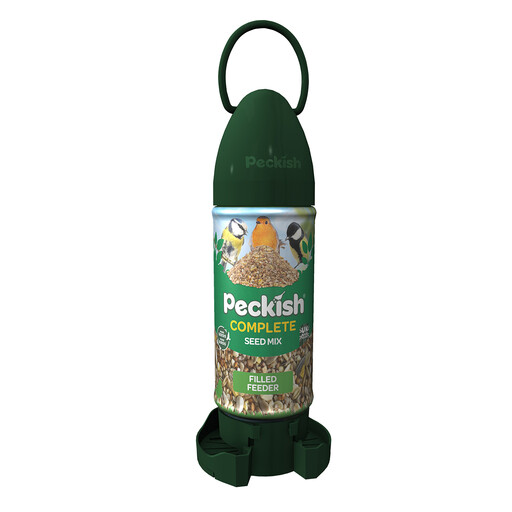
Why This Fits Their Persona: It offers a ready-to-use starting point for UK households that want to begin garden bird feeding without buying a separate feeder and seed mix.
The clear viewing body helps show when seed is running low, while protective metal ports and perches are specified in the product description.
Pre-filled format; suitable for common garden birds including finches, tits and sparrows.
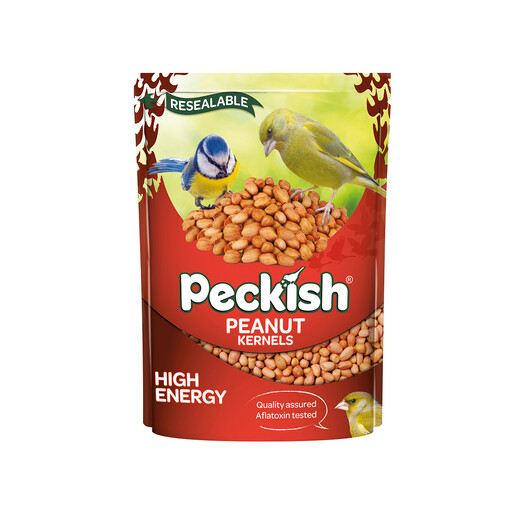
Why This Fits Their Persona: A resealable 2kg pack suits regular garden feeders who prefer a larger supply and want clear information about the feed.
The product is listed as 100% peanuts and aflatoxin tested. Use a mesh feeder, particularly in spring and summer.
Resealable packaging; suitable for mesh feeders or bird tables when used appropriately.
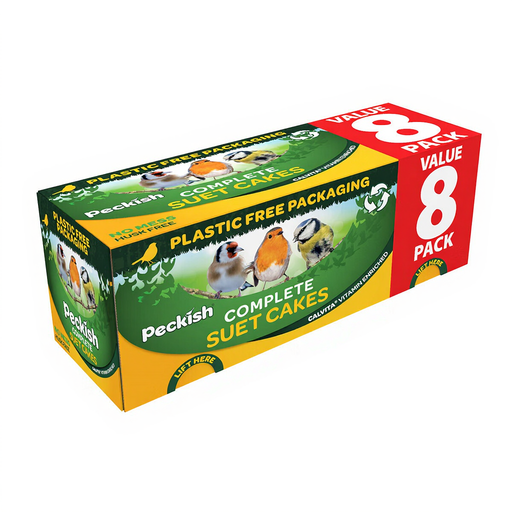
Why This Fits Their Persona: The eight-pack is practical for frequent feeding, colder weather and gardens where birds use supplementary food quickly.
The box is described as plastic-free and closable, helping with storage. The cakes should still be placed in a suitable holder and kept dry.
Eight individual suet cakes; beef-tallow recipe with a stated vitamin mix.
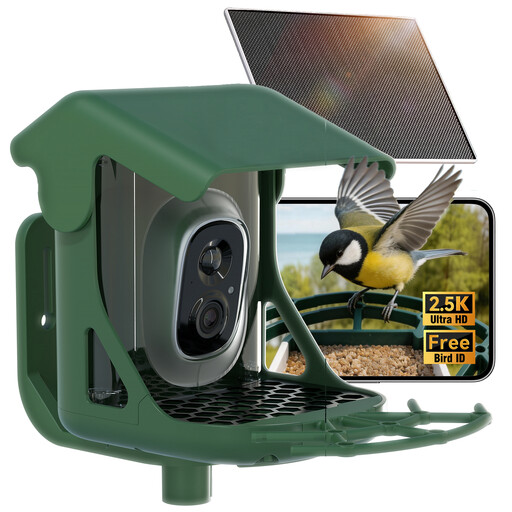
Why This Fits Their Persona: Suitable for birdwatchers who want remote viewing, arrival alerts and recorded footage alongside conventional garden feeding.
The listing specifies 2.4G Wi-Fi, low-feed alerts, solar assistance and IP67 water resistance. Check signal strength and sunlight before installation.
2.5K camera resolution; 30 days of stated free cloud storage and SD card support.
We have compiled a complete, real-time list of products that fully satisfy these strict selection criteria and UK safety regulations.
Clean them regularly, particularly during damp weather or when food becomes wet or contaminated. Empty old food first, wash the feeder, rinse away cleaning residue and dry it fully before adding fresh feed. The exact interval depends on usage and weather conditions.
The ongoing cost depends on bird numbers, food type and refill frequency. Suet cakes and peanuts can be convenient for busy gardens, while larger packs may reduce repeat purchases. Smart feeders may also involve electricity, Wi-Fi and optional cloud or identification services, so check the product terms before buying.
Shelf life varies by product. Follow the packaging rather than relying on a general estimate. For example, the supplied RIO Eggfood guidance says to consume it within three months of opening, while the Peckish Extra Goodness Balls description also recommends use within three months. Keep food sealed, cool and dry to help preserve freshness.