Hosts planning the party-food table
If dried fruit will go into baking, top a dessert or sit alongside other food, compare calories for the same weight as well as the amount you plan to serve.


For birthday-party dried fruit, compare calories for the same weight, then decide how much to serve: a small box controls the portion but does not make its contents lower in calories per 100g. Check ingredients and allergens for your guests; if children are eating dried fruit, NHS guidance advises serving it at mealtimes rather than as a between-meal snack.
If dried fruit will go into baking, top a dessert or sit alongside other food, compare calories for the same weight as well as the amount you plan to serve.
Individual portions can make hand-outs easier to plan. For children, also consider when the fruit will be eaten: NHS guidance advises dried fruit at mealtimes rather than between meals.
Check each exact pack before serving. Some dried-fruit products list sulphites, while fruit-and-nut mixes may introduce other allergens.
Start with the nutrition figures for a comparable weight, then choose a serving format that fits how the party food will be offered.
| Priority | What to check | Your needs |
|---|---|---|
| Calories and portions | Compare kcal per 100g, then kcal for the amount you intend to serve. Sainsbury's lists 76kcal per 30g of Apple Rings; Tesco lists 83kcal per 30g of Seedless Raisins. Whitworths lists 47kcal for a 14g Sunny Raisins box. | I want to compare equal weights before deciding whether small boxes or measured servings work better for my party. |
| Serving time | Consider whether dried fruit will be part of a meal or left out for repeated snacking. NHS guidance says a 30g dried-fruit portion counts towards 5 A Day and advises eating it at mealtimes. | With children attending, I would rather include dried fruit in a planned food serving than leave an open bowl out between meals. |
| Ingredients and allergens | Read the exact pack's ingredients and highlighted allergens. Sainsbury's Apple Rings list sulphur dioxide; check fruit-and-nut mixes for nuts and other declared allergens. | Guests may need ingredient-aware choices, so I need to keep the packaging available when serving. |
| Party format | Decide whether the fruit is for baking, a measured bowl or individual hand-outs. Check pack weight and the labelled serving size before preparing portions. | For a recipe, a larger pack may suit my plan; for separate hand-outs, I want to know how much each guest receives. |
Whitworths lists 47kcal for a 14g Sunny Raisins box, but 333kcal per 100g. The box contains a smaller amount of fruit; its serving figure and per-100g figure answer different questions.
Compare per-100g figures across products, then use pack or serving figures to plan what each guest will receive.
NHS guidance advises eating dried fruit at mealtimes rather than as a between-meal snack to reduce tooth-decay risk.
Include it in party food or offer it as part of a planned meal serving instead of leaving an open bowl available throughout the event.
Sainsbury's Apple Rings list sulphur dioxide, and fruit-and-nut mixes can contain nuts. GOV.UK guidance says allergens must be highlighted in the ingredients list.
Check the current label of every product you serve and keep its packaging so guests can read it.
A large pack supplies fruit for recipes or a bowl, but the pack size does not define how much each guest takes.
Measure out what you intend to use for the recipe or party serving before putting it on the table.
Its Sunny Raisins boxes provide an example of individually portioned dried fruit.
Tesco Seedless Raisins are a bulk-pack reference for baking or measured party servings.
Its Apple Rings offer a dried-apple format to compare with raisin servings.
Its Mixed Dried Fruit provides a reference for a mixed-fruit pack rather than an individual hand-out.
These options include small raisin and freeze-dried fruit packs, a larger prune pack and a portioned fruit-purée snack. Compare their pack formats and current labels against your planned party servings; they are not all the same type of dried fruit.
 No image available
The 12 individual 14g boxes give a defined amount for party hand-outs. For children, plan dried fruit as part of a meal serving in line with NHS guidance.
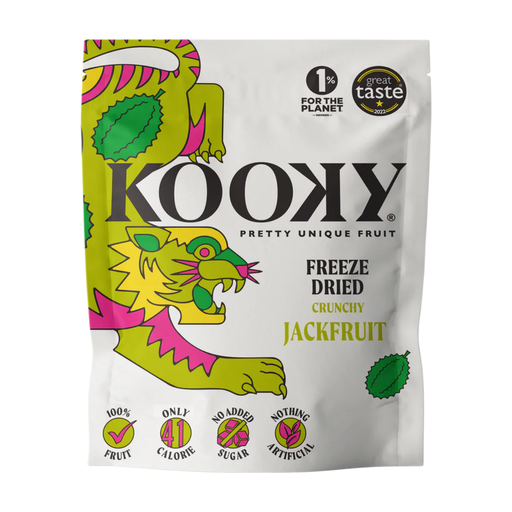 No image available
The 12g pack is an individual freeze-dried fruit serving. Product information flags a choking warning for children under 4; check the pack before offering it to young guests.
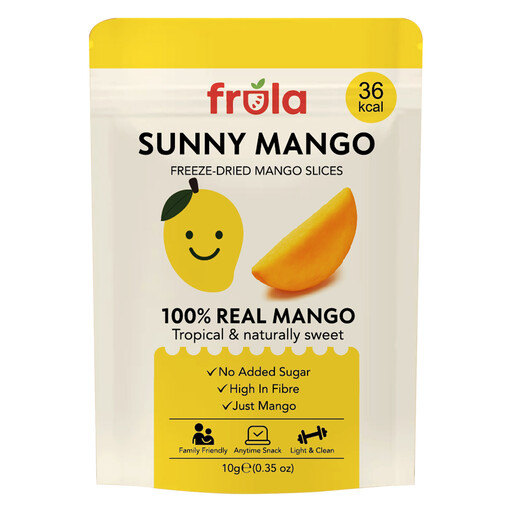 No image available
This 10g freeze-dried mango pack gives a defined amount for an individual serving. Compare its per-100g nutrition with other fruit options separately from its small pack weight.
 No image available
The 500g pack contains individually wrapped pitted prunes for separate servings. Check the current ingredients and nutrition label rather than relying on the pack's sugar-free wording.
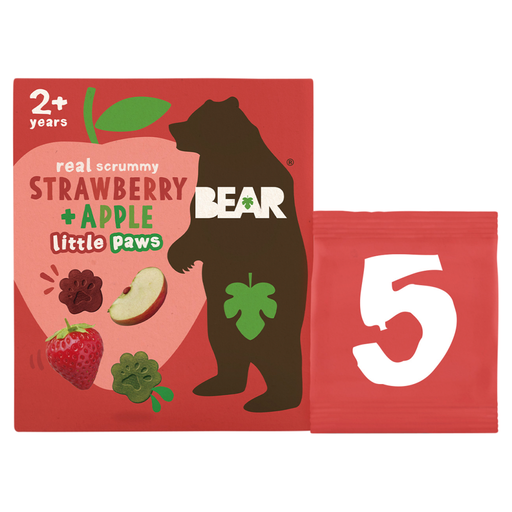 No image available
The five 20g packs offer individual fruit-purée snacks for hand-outs. This is a fruit-purée product rather than whole dried fruit, so compare its own ingredients and nutrition label when choosing party food.
Not necessarily. Whitworths lists 47kcal for a 14g Sunny Raisins box and 333kcal per 100g of the same product. Use per-100g figures to compare products at equal weights, and pack figures to see how much an individual hand-out contains.
No. The NHS states that 30g of dried fruit counts as one 5 A Day portion; it is a useful reference for reading serving figures, not a requirement for each party guest. Choose the amount according to how the fruit fits into the food being served.
NHS guidance advises dried fruit at mealtimes rather than as a between-meal snack to reduce tooth-decay risk. If children are attending, include it in a planned meal serving instead of leaving a bowl available for repeated grazing.
Yes. Sainsbury's Apple Rings list sulphur dioxide, and other products may have different ingredients. Check the exact current pack and its highlighted allergen information before serving guests.
No. It describes added sugar, not the total sugars or calories shown in the nutrition table. Compare the per-100g and intended-serving figures, and read the ingredients list alongside any front-of-pack statement.