Cheesecake-base bakers
Good Food publishes cheesecake recipes using shortbread and chocolate digestives, each with its own biscuit and melted-butter quantities. Choose a method for the base you intend to make.


Buy the biscuit specified in your dessert recipe where possible. Good Food’s cheesecake recipes use shortbread and chocolate digestives with different quantities of melted butter, so their base mixtures should not be treated as interchangeable. If you are choosing the biscuit yourself, compare the exact packs’ ingredients and use a method written for your chosen type.
Good Food publishes cheesecake recipes using shortbread and chocolate digestives, each with its own biscuit and melted-butter quantities. Choose a method for the base you intend to make.
If the biscuit’s ingredients matter to your dessert, compare the exact variants. Walker’s Shortbread fingers list butter, while Waitrose Essential Digestive Biscuits list wheat flour, wholemeal wheat flour and palm oil.
Check the pack and the other dessert ingredients before preparing food for someone with a relevant allergy. The checked Walker’s Shortbread fingers contain wheat and milk and may contain nuts; the checked Waitrose digestives contain wheat and may contain milk.
Start with the dessert method, then compare ingredients and pack information before choosing a biscuit.
| Priority | What to check | Your needs |
|---|---|---|
| Recipe fit | Check the named biscuit, its quantity and the melted-butter quantity. Good Food specifies 250 g shortbread with 75 g melted butter in one cheesecake recipe, but 300 g chocolate digestives with 130 g melted butter in another. | I want a base that follows my dessert recipe, rather than assuming I can swap biscuits and keep the same quantities. |
| Ingredients | Compare the exact variants. Walker’s Shortbread 160 g fingers list 35% butter; Waitrose Essential Digestive Biscuits list wheat flour, wholemeal wheat flour and palm oil. Neither ingredient list establishes how the biscuits perform when substituted in a recipe. | If the biscuit’s flavour or ingredients are central to my dessert, I want to know which variant I am using. |
| Allergens | Read the delivered pack, including precautionary statements, and check every other dessert ingredient. The checked Walker’s fingers contain wheat and milk and may contain nuts; the checked Waitrose digestives contain wheat and may contain milk. | When baking for someone with an allergy, I need to check the food I will actually serve. |
| Format and storage | Check whether you need biscuits to serve whole as well as crush. Walker’s 160 g Shapes Assortment lists five shapes; the checked Waitrose digestives specify an airtight container after opening. | I may want whole biscuits for serving, or need to keep unused biscuits according to the pack directions. |
Good Food’s shortbread and chocolate-digestive cheesecake recipes specify different quantities; neither provides a universal substitution ratio.
Use a recipe written for the biscuit you bought, including its instructions for binding and setting the base.
The checked Dean’s fingers list both salted butter and vegetable margarine, whereas the checked Walker’s fingers list butter without vegetable margarine.
Read the ingredients for the exact variant if its formulation matters to your dessert.
Waitrose advises that product recipes can change, so an online listing may not describe the pack you receive.
Check the delivered pack before preparing food for someone with an allergy.
These examples show why the exact biscuit variant matters; a brand name alone does not establish a recipe’s ingredients or method.
Walker’s Shortbread lists 160 g fingers and a separate 160 g Shapes Assortment.
A Sainsbury’s listing identifies Dean’s Shortbread Fingers in a 125 g pack.
M&S lists Scottish All Butter Shortbread Fingers in a 210 g pack.
Waitrose lists both plain digestives and shortbread fingers.
Checked Tesco listings identify all-butter shortbread fingers and plain digestives.
Sainsbury’s lists Highland All Butter Shortbread Fingers in a 200 g pack.
These options include shortbread, chocolate digestives and other butter biscuits. Check the product type against your recipe: butter cookies are not automatically a shortbread substitute, and flavoured digestives change the ingredients and flavour of a base.
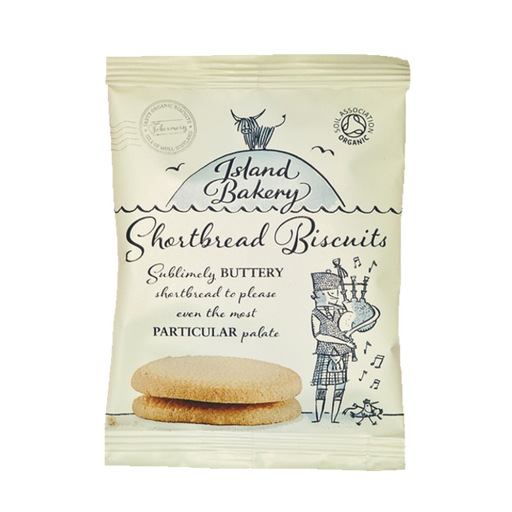 No image available
A shortbread option to consider when your dessert recipe calls for shortbread. The pack is 25 g; check how many packs your recipe requires and read the delivered label for allergens.
 No image available
Dark chocolate digestives suit consideration when a dessert method specifies chocolate digestives. This is a twin pack of 2 x 266 g; check the recipe quantity and the pack’s ingredients rather than substituting it for plain digestives without adjusting the method.
 No image available
These are butter cookies, not a pack identified as shortbread or digestives. If you want to use them in a crumb base, choose a method intended for that biscuit rather than assuming a shortbread recipe’s quantities will transfer; check the pack’s ingredients before serving.
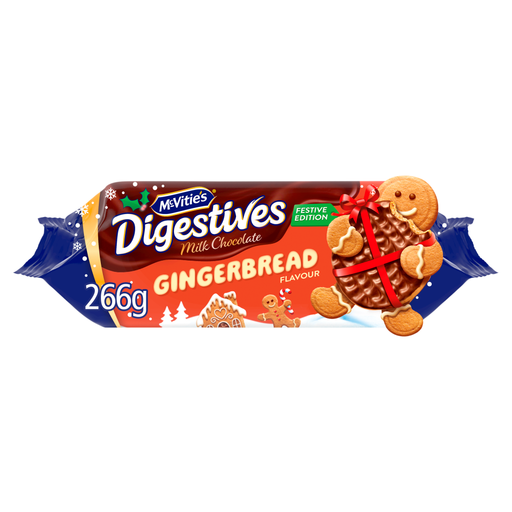 No image available
The gingerbread flavour makes these a distinct choice from plain or standard chocolate digestives. Consider whether that flavour belongs in your dessert before using the 266 g pack for a base, and check its ingredients and your recipe method.
Follow the dessert method rather than deciding from the biscuit name alone. Good Food has a no-bake cheesecake recipe using chocolate digestives; its shortbread cheesecake-slice method instructs bakers to turn the biscuits into crumbs and mix them with melted butter.
Good Food’s shortbread cheesecake-slice method uses a food processor to make crumbs, then mixes them with melted butter. For unused biscuits, follow the pack: the checked Waitrose digestives specify an airtight container once opened.
Check the delivered biscuit pack, its precautionary statements and the other dessert ingredients. The checked Walker’s Shortbread fingers contain wheat and milk and may contain nuts; the checked Waitrose digestives contain wheat and may contain milk.
No. UK government guidance distinguishes use-by dates, which concern safety, from best-before dates, which concern quality. Read the date and storage directions on the actual pack.
UK government guidance says a seller must offer a full refund for goods that are faulty or not as described. Contact the seller about the problem; that remedy is distinct from a change-of-mind return.