A 5K does not automatically call for a biscuit during the run: the British Dietetic Association says ordinary eating can meet carbohydrate needs for a general fitness programme. If you want a familiar biscuit beforehand, compare the portion you would eat and its fat content, taking account of when you last ate. University of Birmingham Sport & Fitness advises lower-fat, lower-fibre choices in the one to two hours before running; neither “digestive” nor “shortbread” tells you how a biscuit will sit with you.
Who is this for?
Runners considering a pre-5K biscuit
If you want a snack, its timing and the portion you would eat matter more than the fact that it is a biscuit. University of Birmingham Sport & Fitness advises lower-fat, lower-fibre food in the one to two hours before running.
Runners choosing between biscuit styles
Compare a plain digestive and shortbread using the same nutrition basis, then decide whether you want either around your run. A familiar treat need not be an in-run snack.
Biscuit buyers checking allergens
Check the ingredients and precautionary wording on the exact pack. The biscuit products described here have different wheat, milk and nut-related information.
What should you check?
Decide whether you want a snack at all, then compare its timing, portion and ingredients rather than choosing by biscuit name.
No biscuit
Consider this: For a general fitness 5K, think about what you have already eaten before assuming you need food during the run; the British Dietetic Association says ordinary eating can meet carbohydrate needs for a general fitness programme.
Bear in mind: Your circumstances and the timing of your previous meal still matter.
Plain digestive
Consider this: If you want a familiar biscuit before running, a plain digestive with per-biscuit nutrition makes the portion easier to compare.
Bear in mind: It still contains fat, and its name does not establish whether it will suit you close to a run.
Shortbread
Consider this: If you prefer shortbread as a familiar snack away from the immediate pre-run period, compare the portion you would actually eat.
Bear in mind: The Dean’s and Walker’s all-butter fingers list 26.0 g and 30.3 g fat per 100 g respectively, compared with 21.3 g for McVitie’s Original digestives; those figures describe these recipes, not every biscuit.
| Priority | What to check | Your needs |
|---|
| Whether to snack |
Consider the run and when you last ate. The British Dietetic Association says ordinary eating can meet carbohydrate needs for a general fitness programme; a 5K alone does not establish a need for food during it. |
I would rather decide whether I want a snack than buy one simply because I am running. |
| Timing and fat |
Check fat on the same per-100 g or per-biscuit basis. University of Birmingham Sport & Fitness advises lower-fat, lower-fibre food in the one to two hours before running. |
If I eat shortly before setting off, I want a familiar food and a portion I know suits me. |
| Portion |
Compare carbohydrate and fat for the amount you plan to eat, not just the whole pack. Use per-biscuit figures where given, or compare per-100 g labels on the same basis. |
A pack may last several occasions; I want to judge the biscuits I would eat at one time. |
| Ingredients |
Read the current pack’s ingredients and precautionary allergen wording. Do not assume different biscuits from one brand have the same recipe or warnings. |
Where an ingredient or cross-contact warning matters to me, I need to check the exact product. |
Common buying mistakes
-
Assuming every 5K needs an in-run biscuit
For a general fitness programme, the British Dietetic Association says ordinary eating can meet carbohydrate needs. The distance alone does not settle whether you need an extra snack.
Consider when you last ate before deciding whether to take food on the run.
-
Comparing unlike portions
A digestive and a shortbread finger need not be the same size, so their per-biscuit figures and per-100 g figures answer different questions.
Compare labels on the same basis, then look at the portion you would actually eat. Do not infer digestive comfort from the word “digestive”.
-
Relying on the online listing for an allergy decision
The checked biscuits have different ingredient and precautionary warnings, which can matter even when products look similar.
Read the ingredients and precautionary wording on the exact current pack before eating.
Brand and product-line references
Walker’s Shortbread
Its 250 g shortbread fingers provide an all-butter reference for comparing recipes.
- Walker’s Shortbread lists 32% butter and 30.3 g fat per 100 g for these fingers.
- The recipe contains milk and carries a precautionary nut warning; check the current pack.
Dean’s
Its 150 g all-butter shortbread fingers offer another recipe to compare per 100 g.
- Dean’s lists 62.8 g carbohydrate and 26.0 g fat per 100 g.
- The listed ingredients include butter made from milk.
M&S
Its 125 g mini shortbread fingers are a smaller-format shortbread option.
- M&S lists 59.1 g carbohydrate and 29.0 g fat per 100 g for these mini fingers.
- M&S says this product is not suitable for people with a nut allergy. The mini format alone does not determine a pre-run portion.
Waitrose
Essential Digestive Biscuits provide a plain digestive reference with per-biscuit nutrition.
- Waitrose & Partners lists 10.0 g carbohydrate and 3.2 g fat per biscuit.
- The product information says it may contain milk; check the current pack.
McVitie’s
Original digestives provide another plain biscuit for a same-basis label comparison.
- Waitrose & Partners lists 63.6 g carbohydrate and 21.3 g fat per 100 g for the Original 315 g pack.
- Check the pack format when comparing it with a twin pack.
Sainsbury’s
Highland All Butter Shortbread Finger Biscuits provide per-finger figures.
- Sainsbury’s lists 12.1 g carbohydrate and 5.7 g fat per finger.
- Sainsbury’s says this product is not suitable for customers with nut or oat allergies owing to manufacturing methods.
Joybuy biscuit options
These options include digestives and shortbread. Compare their pack formats and current labels against when, and whether, you want a biscuit around your 5K.
 No image available
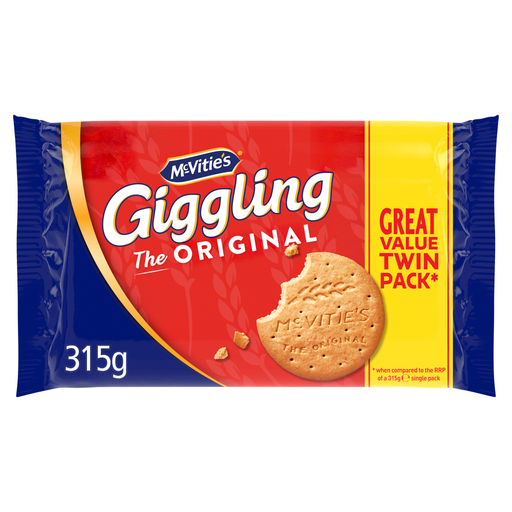
McVitie’s Digestives the Original 2 x 315 g
A plain digestive option if you want a familiar biscuit; decide whether a snack is needed before choosing a portion. This is a twin pack, not the single 315 g pack used in the brand comparison. Check the current pack for nutrition per biscuit and allergen information; the product information identifies wheat.
View on Joybuy
 No image available
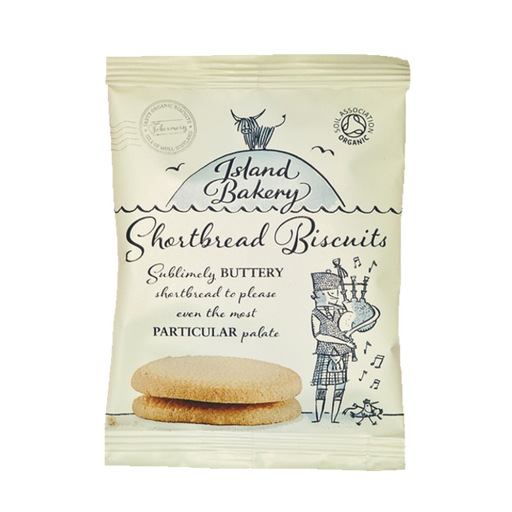
Island Bakery Organic Shortbread 25 g
A 25 g shortbread pack if you prefer an individually packed biscuit. Before eating it close to a run, compare the current label’s fat information with your intended portion. The product information identifies wheat and milk; check the pack for current allergen wording.
View on Joybuy
 No image available
Gullon Zero Sugar Free Original Digestives 400 g
This sugar-free digestive is a different formulation from the plain digestives in the comparison. Its product information warns that excessive consumption may produce a laxative effect, an important consideration before running. Check the current pack for ingredients, the warning and allergen information, including wheat and the stated milk and soya precautions.
View on Joybuy
Questions about biscuits and a 5K
Do I need a biscuit during a 5K?
Not simply because you are running a 5K. The British Dietetic Association says ordinary eating can meet carbohydrate needs for a general fitness programme. Consider your own circumstances and when you last ate rather than treating a biscuit as a required part of the run.
What should I consider if I eat shortly before running?
Consider the timing, portion and whether the food is familiar to you. University of Birmingham Sport & Fitness advises higher-carbohydrate, lower-fat and lower-fibre choices in the one to two hours before a run; that guidance does not guarantee that a particular biscuit will suit you.
How do I compare a digestive with a shortbread finger?
Compare carbohydrate and fat on the same label basis, then look at how many biscuits you would eat. Per-100 g values help compare recipes, while per-biscuit values help assess a stated portion; the biscuits may differ in size.
Where should I check biscuit allergens?
Check the ingredients and precautionary allergen statements on the exact current pack before eating. The products discussed here have different wheat, milk and nut-related information, so the biscuit style or brand name is not enough to settle an allergy question.


