
24/7 Customer Support

Free returns

Same-day & Next-day Delivery

Quality Guaranteed

Unlock Your Welcome Offers: FREE Delivery | Up to 80% OFF | Free 30-day JoyPlus trial
Download the APP
Buying biscuits and cookies online can seem straightforward until the product arrives in a smaller pack than expected, contains an unwanted allergen or fails to match the texture described on the page. For UK shoppers, comparing ingredients, pack formats and storage advice is more useful than relying on packaging language such as “premium”, “indulgent” or “traditional”.
Whether you want chocolate chip cookies for a film night, coconut biscuits for tea or individually wrapped biscuits for the office, these checks can help you choose with fewer surprises.
A product described as “hazelnut”, “walnut” or “blueberry” may contain only a small declared quantity of that ingredient. For example, the Daliyuan HCD Hazelnut, Almond and Walnut Shortbread products each list the named nut at 0.9%. That may provide a flavour note, but it is different from buying a biscuit with a substantial nut content.
Look for the quantitative ingredient declaration when a particular flavour matters to you. Seasalt Coconut Cookies, for instance, list 25% desiccated coconut, making the coconut content clear.
Large packs can offer useful value for households, but an open bag may lose its crunch more quickly if it is not resealed properly. Conversely, individually wrapped biscuits can be convenient for lunchboxes, commuting and office drawers, although the total weight may be lower.
Check both net weight and the number of portions. Nutella Biscuits 166g contains 12 individually wrapped pieces, while Parle G’s 799g jumbo pack is designed for larger-scale household sharing.
Many biscuits contain wheat, milk, soya, egg, peanuts or tree nuts. Some products may also include barley, sulphites or precautionary trace statements. UK food labelling rules require relevant allergens to be emphasised in the ingredients list, but shoppers should still read the current packaging before eating.
Do not treat “gluten-free”, vegetarian or ingredient-free statements as a substitute for checking the full label. Nairn’s Gluten Free Biscuit Breaks are made with gluten-free wholegrain oats, but the product information notes that they may contain traces of milk and cannot guarantee that ingredients are nut-free.
Decide whether you want a crunchy biscuit, crumbly shortbread, a filled centre or a softer cookie. Product names can help, but descriptions and ingredients provide more practical detail:
Compare the amount of product with how you intend to use it. Smaller packs such as 45g, 55g or 89.6g suit personal snacking or trying an unfamiliar international flavour. Packs between 146g and 250g can work for tea-time snacks at home, while a 400g twin pack or 799g family pack is more practical for regular sharing.
For desks, school bags and events, individually wrapped biscuits can help with portion control and carrying. For home storage, a resealable pouch or airtight container can help maintain texture after opening.
The nutrition panel lets you compare products on a consistent per 100g basis rather than judging by pack size. Across this selection, listed energy values range from 425 to 580 kcal per 100g, depending on the recipe. Sugar, fat and salt levels also vary, so check the panel if these are part of your purchasing criteria.
Storage matters for texture. Most products should be kept in a cool, dry place away from direct sunlight, heat and moisture. Crispy biscuits can soften after opening, particularly if the bag is left exposed. Follow the packaging’s best-before information and avoid products with damaged or tampered packaging.
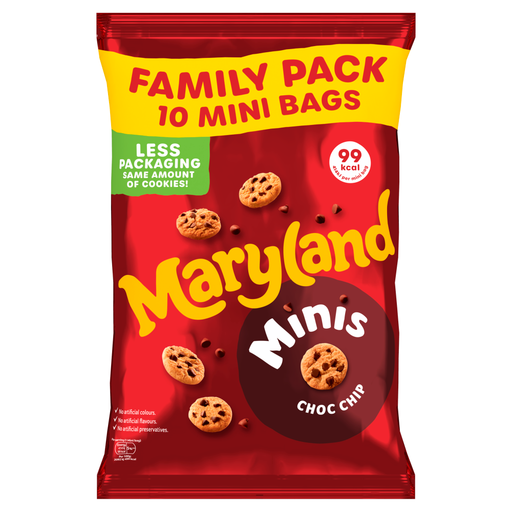
Why This Fits Their Persona: Ten mini bags make this format suitable for packed lunches, study sessions and small individual portions.
The pack format is clearly stated, helping you distinguish multiple mini portions from one loose family bag.
Contains 16% dark chocolate chips; each mini bag is listed at 99 kcal.
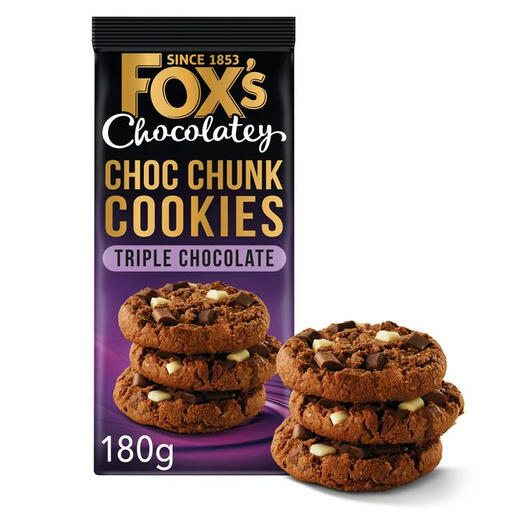
Why This Fits Their Persona: A larger cookie format with dark, milk and white chocolate chunks suits a more indulgent tea break or sharing plate.
The description specifies the chocolate types and the ingredient list gives the milk chocolate chunk percentage.
Milk chocolate chunks are listed at 23% and dark chocolate chunks at 10%; suitable for vegetarians according to the product information.
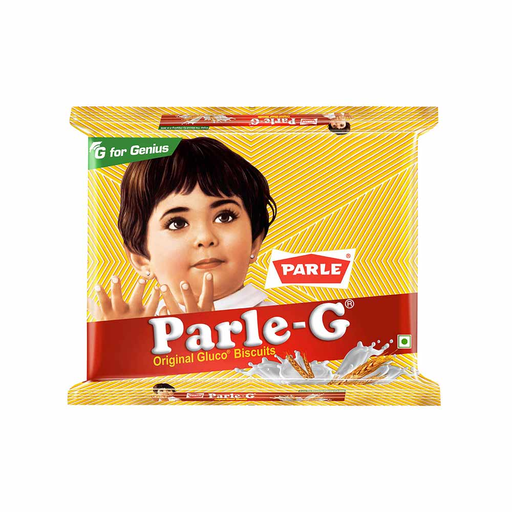
Why This Fits Their Persona: The 799g quantity suits large households, regular chai or tea-time serving and shoppers seeking an international pantry staple.
The substantial net quantity is shown clearly, so it is easier to plan for family sharing rather than buying several small packs.
Contains 61% wheat flour and lists 442 kcal per 100g; suitable for ready-to-eat sharing.

Why This Fits Their Persona: A gluten-free option with dark chocolate and coconut suits shoppers comparing dietary features without giving up a substantial oat texture.
The product is specifically identified as gluten-free, while the allergen information still advises checking for milk and nut traces.
Contains 57% gluten-free wholegrain oats, 10% dark chocolate chips and 6.9g fibre per 100g.
We have compiled a complete, real-time list of products that fully satisfy these strict selection criteria and UK safety regulations.
Before placing an order, confirm:
Choose a texture that will hold up with a hot drink. Shortbread biscuits, coconut biscuits, fruit-filled pastries and crisp chocolate chip cookies are all common tea-time choices. Individually wrapped formats can be useful when serving guests or taking snacks to work.
Store them in a cool, dry place away from sunlight and moisture. Reseal the original packaging where possible or transfer the biscuits to an airtight container. This is particularly important for crunchy biscuits, which can soften when exposed to humid air.
No. Gluten-free biscuits may still contain or be made alongside milk, soya, egg, nuts or other allergens. Read the full ingredient list and precautionary allergen statement each time, particularly when buying for someone with a diagnosed allergy or intolerance.