
24/7 Customer Support

Free returns

Same-day & Next-day Delivery

Quality Guaranteed

Unlock Your Welcome Offers: FREE Delivery | Up to 80% OFF | Free 30-day JoyPlus trial
Download the APP
Buying biscuits and cookies in the UK can seem straightforward until you compare pack sizes, serving formats, ingredients and storage advice. A product may look good value but contain fewer portions than expected, while an attractive gift tin may not suit everyday snacking. The right choice depends on how you plan to enjoy it: with tea, in lunchboxes, for sharing or as an occasional dessert.
A large box is not always the most economical option. Compare the net weight, number of individually wrapped portions and, where available, price per 100g. A twin pack of biscuits may be useful for keeping one packet sealed, while a smaller pack may be more suitable if freshness is a concern.
Words such as “luxurious”, “handcrafted” or “premium” describe positioning rather than measurable features. Before choosing chocolate biscuits, butter cookies or wafer biscuits, check the actual ingredients, cocoa or butter content where stated, allergen information and storage instructions.
Loose biscuits are convenient for a household sharing tin but can soften after opening if not stored correctly. Individually wrapped snacks are more practical for work bags, school lunchboxes and travel. For biscuits for sharing, resealable packaging or separate inner packs can reduce waste and help maintain texture.
UK food labels should identify ingredients and highlight regulated allergens. Common allergens in sweet biscuits include wheat and other gluten-containing cereals, milk, eggs, soya, peanuts and tree nuts. Some products may also contain sesame or sulphites. Always check the current packaging, particularly when buying assorted biscuits or products intended for children.
For example, Lu Mikado contains wheat, milk and soya, while Kinder Happy Hippo Milk and Hazelnut Biscuits contain wheat, hazelnuts, milk and soya. Products made in facilities handling other allergens may also carry precautionary wording, so do not rely solely on the front of the pack.
The format should match the occasion:
Pack size alone does not indicate how long biscuits will stay fresh. Follow the stated storage guidance and use an airtight container after opening when advised.
Nutrition panels allow more meaningful comparisons between chocolate biscuits, sweet biscuits and cookies. Check energy, fat, saturates, sugars and salt, rather than judging a product by its description. For instance, the listed nutrition for McVitie’s Rich Tea is 460 kcal and 18.6g sugars per 100g, while Danisa Traditional Butter Cookies are listed at approximately 521 kcal and 27.8g sugars per 100g.
These figures are not a health endorsement or a reason to avoid a particular treat. They simply help you compare products and choose portions that suit your household.
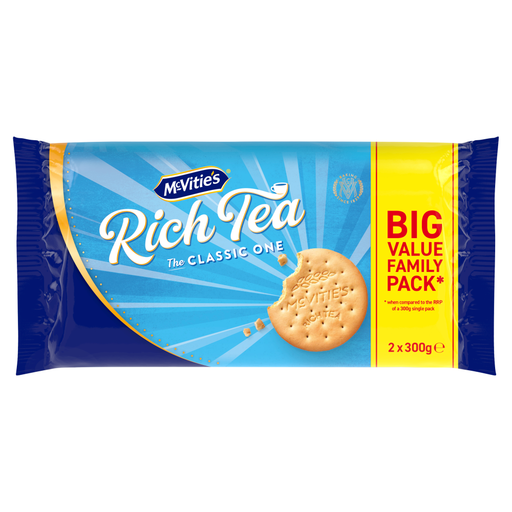
Why This Fits Their Persona: A familiar British biscuit format in a 600g twin pack, suitable for everyday tea or coffee breaks and household cupboards.
The twin-pack format makes the total quantity clear and lets you keep one pack sealed until needed.
Two 300g packs; listed at 460 kcal and 18.6g sugars per 100g; suitable for vegetarians.

Why This Fits Their Persona: A 375g tin works well for afternoon tea, hosting guests or presenting as part of a biscuit gift box.
The product details specify wheat flour, butter and egg yolk, giving shoppers clearer information than vague premium-style wording alone.
Reusable tin; ready to eat; listed as halal and suitable for pairing with tea, coffee or milk.
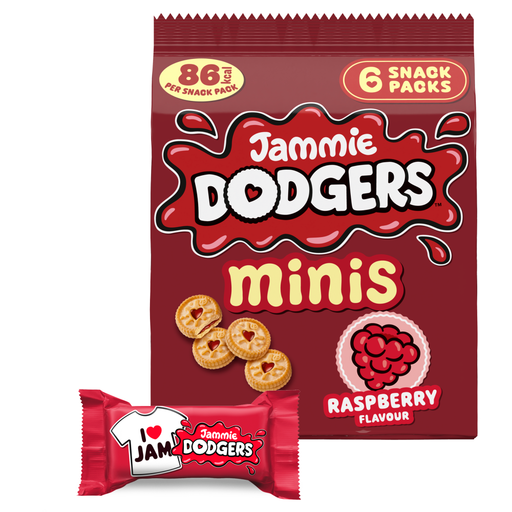
Why This Fits Their Persona: Separate snack packs are convenient for lunchboxes, picnics, school trips and sharing without opening a full family-sized packet.
The individually sealed format addresses freshness and portion confusion more directly than a loose biscuit assortment.
Six snack packs; raspberry-flavoured jam centre; listed at 430 kcal per 100g.
We have compiled a complete, real-time list of products that fully satisfy these strict selection criteria and UK safety regulations.
For a quick tea break, British biscuits such as Rich Tea or original digestives offer a familiar, less heavily filled option. If you prefer richer flavours, consider chocolate biscuits, butter cookies or chocolate-coated wheat biscuits.
For children’s lunchboxes, look for clearly portioned individually wrapped snacks, such as mini cookies or wafer biscuits. Check allergen information carefully and avoid assuming that “mini” means low in sugar or energy.
For entertaining, assorted biscuits can provide different textures and flavours without requiring several large packets. A combination of sandwich biscuits, lemon-flavoured soft bakes and chocolate biscuits can work well on a dessert plate. For gifting, a sealed tin or biscuit gift box is usually easier to present than a loose multipack.
Choose a biscuit with a texture and sweetness level that suits your drink. Rich Tea biscuits are light and crisp, while digestives, butter cookies and chocolate-coated biscuits provide a fuller flavour. Store opened products in a cool, dry place and use an airtight container if the packaging does not reseal.
Yes. Individual wrapping can help keep portions separate and reduce exposure to air before eating. It is still important to check the product’s allergen declaration, packaging condition and storage advice before placing it in a lunchbox.
Shelf life varies by product and packaging. Use the date on the pack as a guide, keep biscuits away from heat and moisture and reseal the packet promptly. Tins and airtight containers can help preserve crispness, but they do not replace the manufacturer’s storage instructions.