
24/7 Customer Support

Free returns

Same-day & Next-day Delivery

Quality Guaranteed

Unlock Your Welcome Offers: FREE Delivery | Up to 80% OFF | Free 30-day JoyPlus trial
Download the APP
Buying biscuits and snacks online should be simple, but product pages can make comparison harder than expected. A large pack is not always better value, “light” textures do not necessarily mean lower energy content, and dietary labels can be misunderstood when ingredients and allergen statements are overlooked.
Whether you are filling a family cupboard, preparing party snacks, stocking an office kitchen or looking for snacks online in the UK, these practical checks can help you choose more confidently.
Multipacks and twin packs may reduce the number of individual purchases, but compare the price per 100g where possible. A 40g individual crisp pack can be useful for portion control or lunchboxes, while a larger 165g tube may suit sharing. The right size depends on how the food will be used, not simply the total pack weight.
Words such as “light”, “natural”, “premium” or “wholesome” may describe texture or positioning rather than nutritional value. Check the ingredients, nutrition panel, number of portions and storage instructions. For example, rice cakes can feel light and crunchy, but their carbohydrate content still needs to be considered as part of your overall diet.
Seasonings can introduce ingredients that are not obvious from the product name. Crisps, crackers and pretzels may contain wheat, milk, soya, mustard, sesame, fish or crustaceans. Always read the current pack label before serving anyone with an allergy or intolerance. Imported products may also use packaging standards that differ from familiar UK ranges, so do not rely only on online descriptions.
For everyday cupboard staples, consider whether the pack can be resealed. Oreo Original Sandwich Biscuits 154g, for example, are described with resealable packaging, while many smaller snack bags are intended to be consumed soon after opening. For sharing, multipacks such as Pringles Sour Cream & Onion Crisps 40g x 12 offer individually sized portions, whereas a larger crisp tube may work better for a group gathering.
Once opened, biscuits and savoury snacks should generally be kept in a cool, dry place and sealed to protect their texture. Crisp products quickly lose their crunch when exposed to moisture.
Wheat-based products such as sweet biscuits, wafer biscuits, crackers and pretzels are not suitable for people avoiding gluten unless clearly labelled otherwise. Look for an appropriate gluten-free statement or certification, then check the full allergen information as well.
Schar Gluten Free Crispbread lists no allergens in the supplied product information but notes that it is made in a facility handling soya. Schar Gluten Free Vanilla Wafers are listed as free from wheat but contain milk and soya, and may contain tree nuts. These details matter when selecting snacks for a mixed household or party table.
Nutrition information is normally shown per 100g, with some products also listing a portion size. This makes it easier to compare sweet biscuits, crisps and crackers across different pack formats.
For reference, the supplied products include:
These figures are comparison points, not health recommendations. Portion size, frequency and what you add to the snack all affect its suitability for your household.
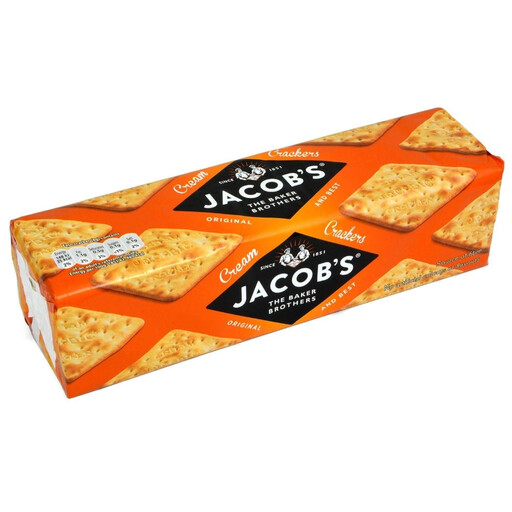
Why This Fits Their Persona: A 300g box gives families, students and office workers a flexible savoury base for toppings, packed lunches or soup breaks.
The simple ingredient list makes it easier to identify wheat and compare the pack size without relying on exaggerated flavour claims.
300g format; suitable for savoury toppings; 0.6g sugars per 100g in the supplied nutrition information.
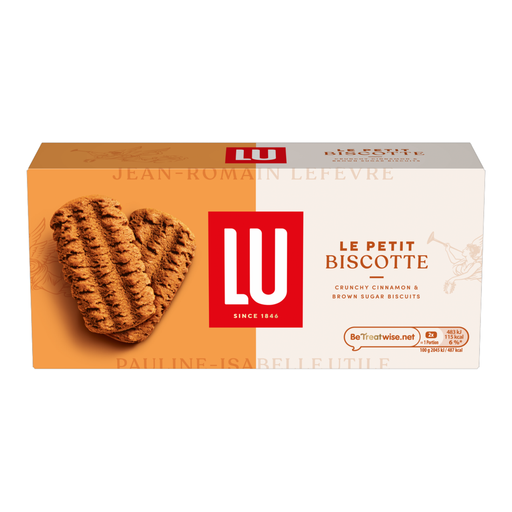
Why This Fits Their Persona: A suitable choice for afternoon tea, coffee breaks or shoppers wanting a cinnamon-flavoured sweet biscuit with a crunchy texture.
The listed 200g weight, ingredients and nutrition panel allow a direct check against similarly flavoured chocolate biscuits or wafer biscuits.
Cinnamon and brown sugar flavour; vegetarian; 200g sharing pack.
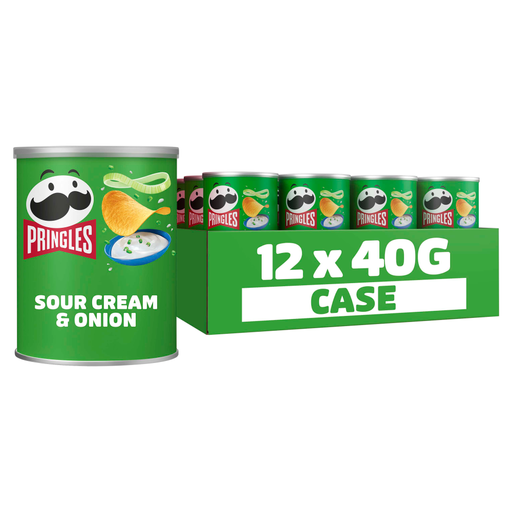
Why This Fits Their Persona: The individual 40g packs suit party snacks, office cupboards, children’s lunch arrangements and events where controlled portions are convenient.
The 12-pack format makes the quantity clear, while the allergen list identifies wheat, milk and possible soya before purchase.
12 x 40g packs; sour cream and onion seasoning; practical for sharing and storage.

Why This Fits Their Persona: A neutral, crunchy option for shoppers seeking gluten-free biscuits or crispbread for toppings, packed lunches and snack boards.
The supplied information lists corn, rice and psyllium ingredients and no allergens, while still advising shoppers to check the packaging.
150g pack; made with corn and rice flour; suitable for sweet or savoury toppings.
We have compiled a complete, real-time list of products that fully satisfy these strict selection criteria and UK safety regulations.
Choose a mix of individually packed crisps, larger sharing bags, pretzels, rice crackers and sweet biscuits. Include contrasting flavours such as sour cream and onion, sweet chilli, chocolate biscuits and plain crackers. For mixed groups, keep allergen information visible and provide at least one clearly labelled option for relevant dietary requirements.
Store biscuits, crisps and crackers in a cool, dry cupboard, away from heat and moisture. Reseal bags or transfer contents to an airtight container after opening. Delicate wafer biscuits and rice crackers may lose their texture faster than dense biscuits, so check the pack’s storage guidance.
No. Gluten-free labelling addresses gluten, not every allergen or dietary preference. A product may still contain milk, soya, nuts or other ingredients. Read the current ingredients and allergen statement on the packaging before serving, particularly when buying imported branded snacks.