
24/7 Customer Support

Free returns

Same-day & Next-day Delivery

Quality Guaranteed

Unlock Your Welcome Offers: FREE Delivery | Up to 80% OFF | Free 30-day JoyPlus trial
Download the APP
Biscuits are a cupboard staple, but the pack that looks appealing online may not suit your household once you check the ingredients, portion size or storage requirements. Whether you want chocolate biscuits for an afternoon treat, digestive biscuits for tea-time snacks or specialist options for dietary needs, a little label-checking can prevent disappointing purchases.
The name “digestive” is a traditional description, not a medical claim. Digestive biscuits are generally recognised for their wheat-based, semi-sweet flavour and crumbly texture, but they should not be purchased as a product intended to improve digestion.
Likewise, “oat”, “wholemeal” or “gluten-free” does not automatically mean a biscuit is suitable for every dietary preference. Check the full ingredient list and nutrition panel rather than relying on front-of-pack wording.
Sugar-free biscuits may use sweeteners such as maltitol or isomalt. These can reduce the listed sugar content, but the product may still contain carbohydrates and calories. For example, Gullon Zero Sugar Free Original Digestives list less than 0.5g of sugars per 100g while providing 430 kcal per 100g.
The same product also carries a warning that excessive consumption may produce a laxative effect. This is an important label detail that can be missed when shopping by headline claims alone.
A large biscuit multipack can offer convenience for families, offices or regular tea breaks, but it may lose texture if opened repeatedly and not resealed. Smaller packs are easier to manage for packed lunches and occasional snacks. Look for resealable packaging or individually wrapped portions where portability and freshness matter.
UK food labels should clearly identify allergens, usually in bold within the ingredients list. Common biscuit allergens include wheat, gluten-containing cereals, milk, soya, eggs, nuts and barley.
If you are buying gluten-free biscuits, check that the packaging specifically identifies them as gluten-free and review any “may contain” statement. Schar Gluten Free Digestive Biscuits contain maize, soya, buckwheat and tapioca-based ingredients and are listed as free from wheat, but the final packaging should always be checked before purchase.
For vegetarian biscuits, look for a clear suitability statement and inspect ingredients such as milk, butter oil or gelatine. Recipes can change, so online descriptions should not replace the current pack label.
Compare energy, sugars, saturates, fibre and salt per 100g when comparing different pack sizes. The per-biscuit figure is also useful for portion awareness.
For instance, McVitie’s Digestives the Original list 483 kcal, 15.1g sugars and 3.7g fibre per 100g, with approximately 42 biscuits across two 315g packs. Chocolate-coated varieties generally contain more fat and sugar than plain digestives, although the exact figures vary by recipe.
Choose according to how the biscuits will be used:
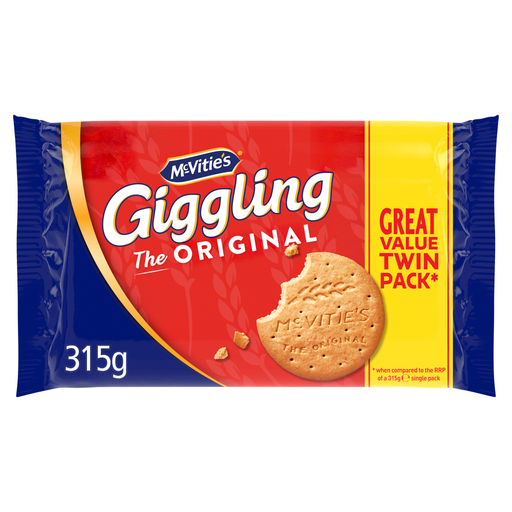
Why This Fits Their Persona: Two 315g packs provide a practical option for shared households, regular tea breaks and keeping a familiar British biscuit in the cupboard.
The pack quantity is clearly stated, helping shoppers compare total weight rather than judging value from the front image alone.
Made with 100% British wheat according to the supplied product details; suitable for vegetarians and supplied as two packs.
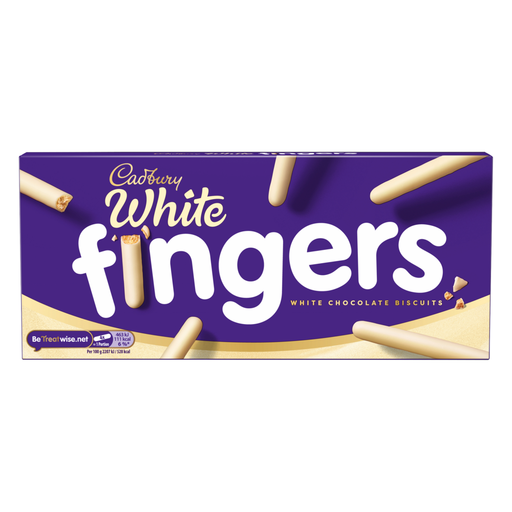
Why This Fits Their Persona: The slim biscuit-stick format combines a crisp biscuit with a white chocolate coating, making it suitable for a personal treat or serving with a hot drink.
The 114g net quantity makes this a smaller purchase than a family-size pack, reducing the risk of buying more than needed.
Individually wrapped fingers are convenient for carrying; the supplied label lists wheat, milk and soya as allergens.
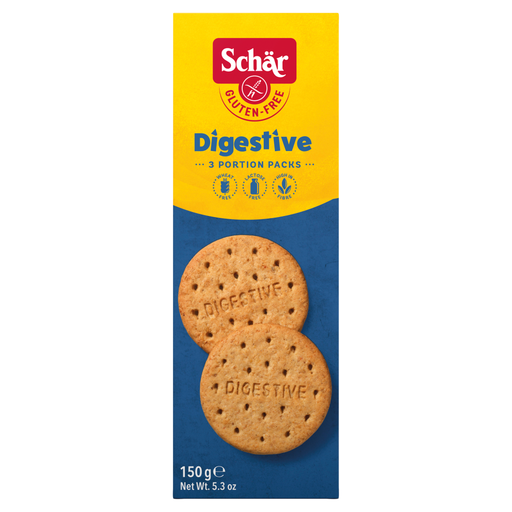
Why This Fits Their Persona: A dedicated gluten-free digestive-style option for shoppers who want a familiar biscuit format while avoiding wheat-based recipes.
The product is specifically identified as gluten-free, rather than relying on a vague “lighter” or “healthy” description.
Contains no wheat according to the supplied details; one biscuit is listed as 10g for easier portion comparison.

Why This Fits Their Persona: The twin-pack format suits larger households, frequent afternoon tea and shoppers who want dark chocolate biscuits available for sharing.
The two-pack makes the total quantity visible, while the dark chocolate coating is clearly described rather than hidden behind generic “chocolate flavour” wording.
The supplied nutrition information lists 30% dark chocolate and 4.3g fibre per 100g; packaging is intended to be resealed.
We have compiled a complete, real-time list of products that fully satisfy these strict selection criteria and UK safety regulations.
Store biscuits in a cool, dry place away from direct sunlight and heat. Once opened, transfer them to an airtight container if the original pack does not reseal effectively. This helps preserve crispness, particularly for chocolate biscuits and oat biscuits.
For packed lunches, individually wrapped products can reduce mess and make portions easier to manage. For afternoon tea, compare flavours across the table: white chocolate biscuits offer a sweeter, creamy profile, while dark chocolate biscuits provide a more pronounced cocoa taste. Ginger biscuits pair naturally with black tea, herbal tea or coffee.
They can be included as an occasional or everyday snack depending on personal dietary needs and overall intake. Check the nutrition panel, serving size and ingredients, as plain and chocolate digestive biscuits can differ considerably.
Gluten-free biscuits are designed for people avoiding gluten, but they may still contain other allergens such as soya, milk or nuts. Always read the current packaging and any “may contain” warning before serving.
Follow the serving guidance on the pack and avoid consuming large quantities at once. Products containing polyols such as maltitol or isomalt may carry a laxative-effect warning when eaten excessively.