
24/7 Customer Support

Free returns

Same-day & Next-day Delivery

Quality Guaranteed

Unlock Your Welcome Offers: FREE Delivery | Up to 80% OFF | Free 30-day JoyPlus trial
Download the APP
Choosing biscuits and cookies online can look simple until you compare pack sizes, fillings, allergens and serving formats. A small packet may suit a desk drawer, while a larger family pack may offer better value for sharing. Flavour descriptions can also distract from practical details such as sugar content, storage and whether each portion is individually wrapped.
This guide highlights the main buying pitfalls and presents our top recommendations for UK households, offices, students, families and anyone looking for convenient sweet snacks.
A 40g pack of wafer rolls may be convenient, but the price per 100g can be higher than a 150g or 400g pack. Before buying, compare the net weight, number of portions and intended use. Smaller packs are useful for lunchboxes or handbags, whereas a family pack is more suitable for a shared cupboard.
Words such as “light”, “classic” or “natural” describe taste or positioning rather than making a product nutritionally preferable. Sweet biscuits, chocolate chip cookies, sandwich biscuits and wafer rolls can vary considerably in energy, sugar, fat and saturated fat.
For example, the listed nutrition per 100g is approximately 466 kcal and 40.5g sugars for the strawberry sandwich cookies, while the triple chocolate cookies list 478 kcal and 38g sugars. These figures are not directly comparable with a single biscuit or mini bag, so check both the per-100g and per-serving information where available.
Many biscuits contain wheat, milk or soya, while some also include egg, barley, nuts or sulphites. “Vegetarian” does not mean gluten-free or suitable for people with milk allergies. Always read the current packaging before eating, particularly if buying imported Asian biscuits and snacks.
For shoppers avoiding wheat, a product labelled gluten-free should still be checked for its full allergen statement and handling warnings. The Schär gluten-free digestive biscuits listed here contain soya and may contain lupin, despite being free from wheat.
Match the pack to the occasion:
Look for the highlighted allergen information on the product page and packaging. Common ingredients include wheat flour, vegetable oils, sugar, milk powder, cocoa and soya lecithin. Filled products can contain additional allergens: Nutella biscuits, for example, contain hazelnuts, milk, wheat, barley and soya.
For children, consider the shape and texture as well as ingredients. Small, hard or crumbly snacks may present a choking risk for young children, so follow the safety guidance on the pack and supervise where appropriate.
Biscuits rely on a dry, crisp texture. Store unopened packs in a cool, dry place away from direct sunlight and heat. Once opened, reseal the packet or transfer the contents to an airtight container. This is particularly important for wafer rolls, sandwich biscuits and coconut cookies, which can lose their texture when exposed to moisture.
Check the best-before date on arrival and avoid products with damaged, bloated or unsealed packaging. Imported products may have different pack formats, so use the date and storage instructions printed on the product you receive.
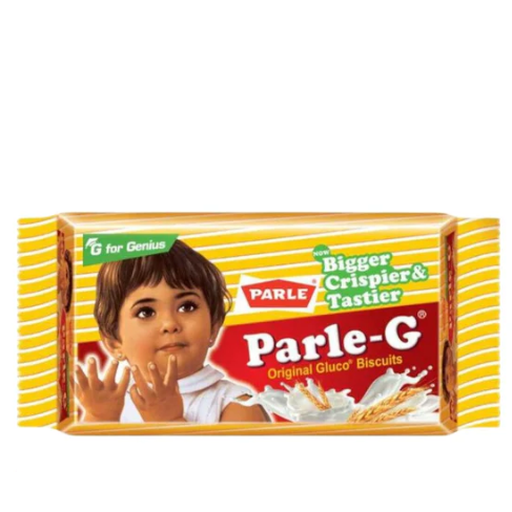
Why This Fits Their Persona: The compact 79.9g pack suits students, commuters and first-time buyers who want a straightforward biscuit for tea, coffee or travel without committing to a large pack.
The clearly stated net weight makes it easier to compare with larger family packs and avoid assuming that a small packet offers the lowest cost per 100g.
Ready to eat; wheat, milk and soya are identified in the allergen information; suitable for pairing with hot drinks.
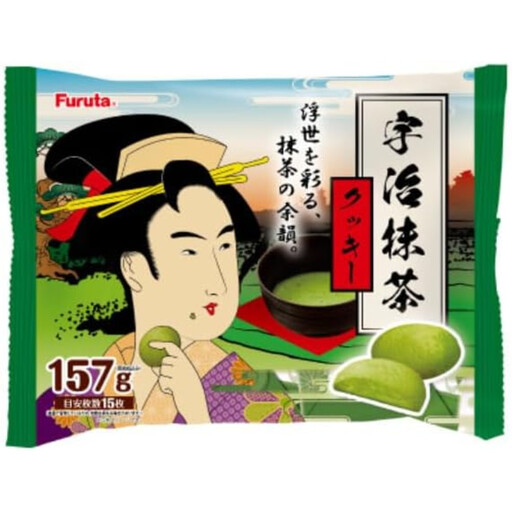
Why This Fits Their Persona: Those seeking a more distinctive afternoon tea option may prefer the matcha flavour, individually wrapped format and Japanese origin.
The product information specifies the matcha ingredient, portion wrapping and allergen warnings rather than relying only on premium-style flavour language.
Individually wrapped; crisp texture; contains wheat, egg and soya, with possible milk traces noted.
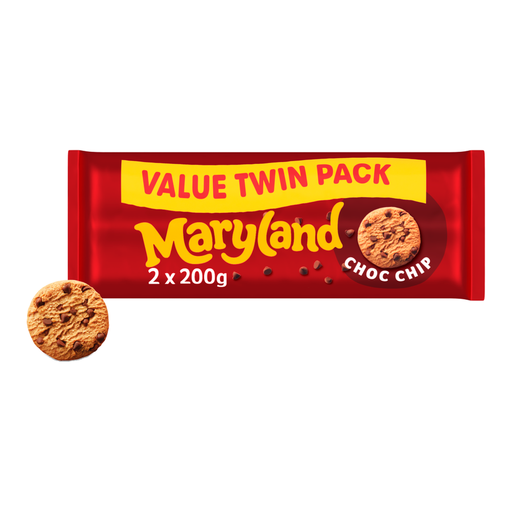
Why This Fits Their Persona: Families, shared houses and office kitchens can use the twin pack for regular chocolate chip cookie breaks, lunchboxes and afternoon tea.
The 400g total weight and twin-pack format make the intended sharing use clear, while resealing one pack can help maintain freshness.
Chocolate chips make up 25% of the listed recipe; suitable for vegetarians; no artificial colours or flavours are listed.
We have compiled a complete, real-time list of products that fully satisfy these strict selection criteria and UK safety regulations.
For fruit-led choices, strawberry biscuits and strawberry wafer rolls offer a sweeter profile with a crisp or layered texture. Cinnamon biscuits combine spice with brown sugar and work naturally with tea or coffee. Coconut cookies provide a crumbly texture, while matcha cookies and matcha wafer rolls suit shoppers looking for a green tea-inspired flavour.
If you prefer chocolate, compare chocolate chip cookies with filled sandwich biscuits. A cookie usually provides a denser bite, whereas a sandwich biscuit adds cream filling between two biscuits. For occasional treats, individually wrapped snacks can make sharing and storage easier.
Choose a texture and flavour that pair well with hot drinks. Cinnamon biscuits, coconut cookies, matcha cookies, lemon biscuits and plain digestives are suitable options. Check the pack size if serving several guests, as individually wrapped products may create more packaging waste but can help preserve freshness.
No. Gluten-free digestive biscuits are formulated without wheat, but they may contain other allergens such as soya or lupin. Read the full ingredient and allergen declaration, and do not assume that “gluten-free” means lower in sugar, fat or calories.
Keep them sealed in their original inner packaging or an airtight container, away from heat and moisture. Consume wafer rolls and filled biscuits promptly after opening, as their texture can soften more quickly than plain biscuits.