
24/7 Customer Support

Free returns

Same-day & Next-day Delivery

Quality Guaranteed

Unlock Your Welcome Offers: FREE Delivery | Up to 80% OFF | Free 30-day JoyPlus trial
Download the APP
Choosing biscuits and crackers online is rarely as simple as picking a flavour. Pack sizes can be misleading, “light” textures may still come with high fat or sugar values, and international snacks may contain allergens that are easy to overlook. Whether you need lunchbox snacks, savoury crackers for a cheeseboard or sweet biscuits for tea time, a few checks can help you spend wisely.
This guide from the Joybuy Product Recommendation Officer explains what to look for before ordering and highlights suitable options for different UK households.
A large box may offer a lower cost per 100g, but it can lose freshness if it is not resealable or portioned. This matters particularly with crackers and wafer biscuits, which soften quickly when exposed to humidity.
Compare the net weight, number of servings and storage instructions. Individually wrapped snacks can be practical for packed lunches, travel and office drawers, while a larger unwrapped pack may suit a household that expects to finish it quickly.
Terms such as “wholesome”, “light” or “simple” describe positioning rather than a complete nutritional profile. A cracker can have a plain flavour while still containing around 1g or more of salt per 100g. Likewise, chocolate biscuits, cream-filled biscuits and butter biscuits commonly contain notable amounts of sugar and saturated fat.
Use the per 100g nutrition panel to compare products consistently. Then check the portion size, as a 40g snack and a 300g sharing pack serve very different purposes.
Asian snacks and other international biscuits may use wheat, barley, soya, milk, egg, peanuts or sulphites. Ingredient lists can also include malt extract, milk powder or emulsifiers derived from soya.
Always read the product page and the physical packaging before serving anyone with an allergy or dietary restriction. “Gluten-free” must be confirmed through the product’s stated information rather than assumed from its appearance or flavour.
Match the format to the occasion:
Look for allergens highlighted in the ingredient list, as required for foods sold in the UK. Common ingredients across this category include wheat flour, palm or coconut oil, milk, egg, soya and barley malt.
For a wheat-free choice, Schär Gluten Free Digestive Biscuits list maize starch, maize flour, soya flour, soya bran and buckwheat flour, and state that they are free from wheat. They are not suitable for people avoiding soya, however, so the full ingredient list still matters.
Nutrition panels normally show energy, fat, saturates, carbohydrate, sugars, protein and salt per 100g. Use these figures for comparison, but also consider the actual serving size.
Once opened, keep biscuits and crackers in an airtight container or reseal the original packaging. Store products in a cool, dry place away from direct sunlight. Check the best-before information on arrival, especially when buying larger multipacks or products intended for gifting.
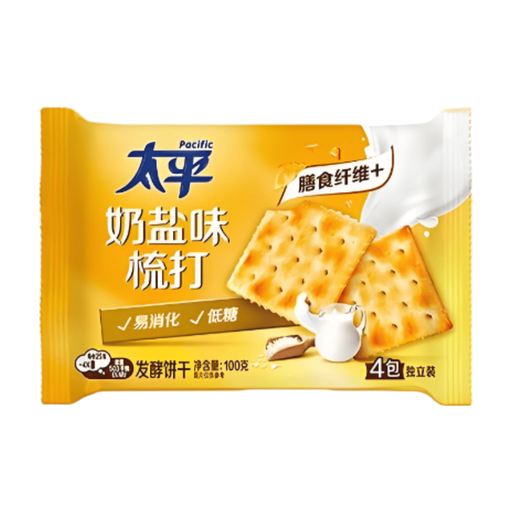
Why This Fits Their Persona: Four small packs provide a straightforward way to try savoury crackers for lunches, desk snacks or soup without committing to a large box.
The 100g format limits unused product, while four packs help protect crispness after opening.
Wheat flour, wholemeal flour, pea fibre and soya; 2.5g sugar and 1.2g salt per 100g as listed.

Why This Fits Their Persona: The 375g tin is suited to tea-time serving, sharing occasions and gift hampers where presentation and a buttery biscuit profile matter.
The stated ingredients identify butter, wheat flour and egg yolk, avoiding vague flavour-led descriptions.
Traditional tin format; listed at approximately 31.2g fat and 27.8g sugars per 100g.
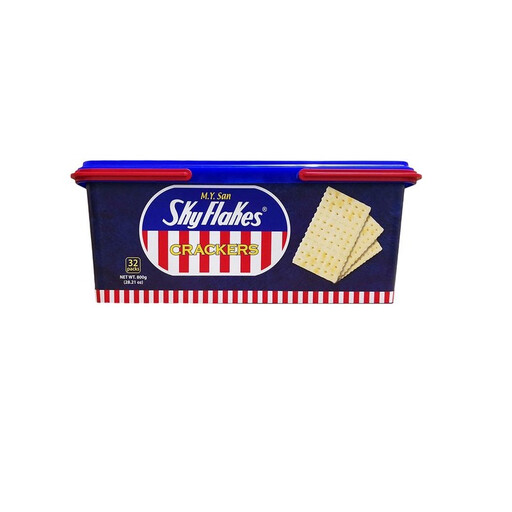
Why This Fits Their Persona: A high-volume option for families, regular snackers or households that use crackers with toppings, soups and packed lunches.
The pack contains 32 portable portions, so the large net weight does not mean one continually exposed inner bag.
800g total; individual foil sleeves; suitable with cheese, dips, toppings or soups.
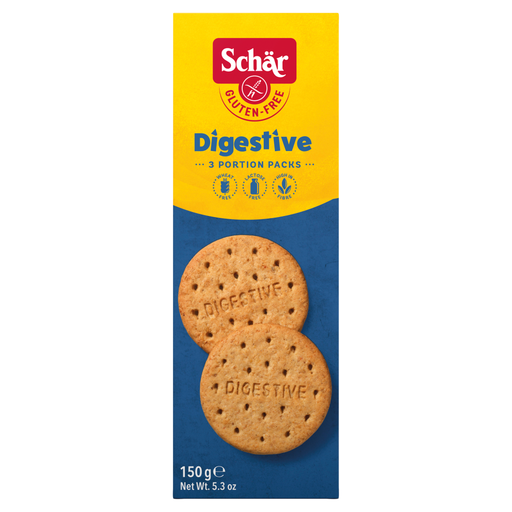
Why This Fits Their Persona: A wheat-free biscuit option for shoppers who specifically need to check gluten-related ingredients when choosing sweet biscuits.
The product information explicitly states free from wheat, while separately listing soya and possible lupin information.
150g pack; 8.5g fibre and 18g sugars per 100g as listed; ready to eat.
We have compiled a complete, real-time list of products that fully satisfy these strict selection criteria and UK safety regulations.
For sweet biscuits, options range from chocolate biscuits and cream-filled biscuits to wafer biscuits, butter biscuits and sandwich biscuits. Meiji Chocoroom, Glico Pejoy and Lago Strawberry Party Wafers provide smaller international formats, while Danisa and Border Chocolate Oat Crumbles suit sharing or tea-time treats.
For savoury choices, Jacobs Cream Crackers, Garden Saltine Crackers and Pacific Spring Onion Soda Biscuits offer different levels of saltiness, texture and pack size. If convenience is important, Rebisco’s 10-pack cream-filled cracker sandwiches and Ferrero Nutella Biscuits’ 12 individually wrapped pieces are designed for portioned snacking.
Choose sealed individual packs or smaller inner packs, such as Sky Flakes, Rebisco cracker sandwiches, Four Seas Biscuit Stick or Ferrero Nutella Biscuits. Check allergen information before packing snacks for school, and avoid products that may melt or soften in warm conditions.
Keep them in a cool, dry cupboard and reseal the packet or transfer the contents to an airtight container. Crackers and wafers are particularly sensitive to moisture. Always follow the storage guidance on the packaging.
No. Gluten-free or wheat-free products can still contain soya, milk, egg, nuts or other allergens. Schär Gluten Free Digestive Biscuits, for example, state that they contain soya. Read the complete ingredient and allergen information every time, particularly when buying international biscuits.