
24/7 Customer Support

Free returns

Same-day & Next-day Delivery

Quality Guaranteed

Unlock Your Welcome Offers: FREE Delivery | Up to 80% OFF | Free 30-day JoyPlus trial
Download the APP
Buying biscuits and sweet snacks online should be simple, but attractive packaging and vague descriptions can make it difficult to compare products properly. A family sharing pack may contain fewer servings than expected, while a small snack packet may carry a surprisingly high price per 100g. International confectionery can also have unfamiliar allergen information or storage instructions.
This guide explains what to check before ordering, from portion formats and ingredients to shelf life and storage. It also includes our top recommendations for tea breaks, lunchboxes, gifting, family occasions and everyday snacking.
A large box does not automatically provide better value. Compare the net weight, number of pieces and whether items are individually wrapped. For example, a 166g pack containing 12 wrapped biscuits may suit controlled sharing, while a 330g triple pack may be more practical for a household.
Check the price per 100g where available, especially when comparing chocolate biscuits, wafer biscuits and filled biscuits in different formats.
Biscuits and cakes commonly contain wheat, milk, egg, soya and nuts. Imported Japanese snacks, Asian sweets and other international products may present ingredients in a different format, so do not rely on the product name or front-of-pack description alone.
Always read the latest packaging before serving anyone with an allergy or intolerance. Pay attention to “may contain” statements, shared manufacturing warnings and ingredients such as barley, sesame or almond.
Most biscuits, sandwich biscuits and chocolate cakes are ready-to-eat confectionery, but not every sweet bakery product is. Frozen pastries, such as ready-rolled puff pastry or bake-at-home croissants, require freezer storage and cooking instructions.
Check whether the item is ambient, chilled or frozen before ordering. This is particularly important if you are planning a party, gift or family tea-time spread.
Choose the format around how the snacks will be consumed:
For gifting, look for products with a stable ambient shelf life, clear presentation and flavours that suit the recipient. For lunchboxes, check the portion size and avoid assuming that a large outer pack means each serving is individually protected.
Use the ingredient list to understand what type of treat you are buying. A filled biscuit may contain a substantial cream or chocolate centre, while a wafer biscuit often has a lighter, crisp texture but still contains sugar and fat from its filling.
The nutrition panel normally gives values per 100g. Where a per-piece figure is provided, use it to estimate a realistic serving. For example:
These figures are for comparison rather than a health endorsement. Sweet treats are generally most suitable as part of a varied diet and in portions appropriate to the occasion.
Look for the difference between best-before and use-by wording. Many ambient biscuits use a best-before date, which relates mainly to quality. Always follow the packaging supplied with your order.
Store most chocolate biscuits, sandwich biscuits and wafers in a cool, dry place away from sunlight. Once opened, reseal the packet or use an airtight container to help preserve crispness. Frozen pastries should remain at the stated freezer temperature and must not be refrozen after thawing unless the packaging specifically permits it.
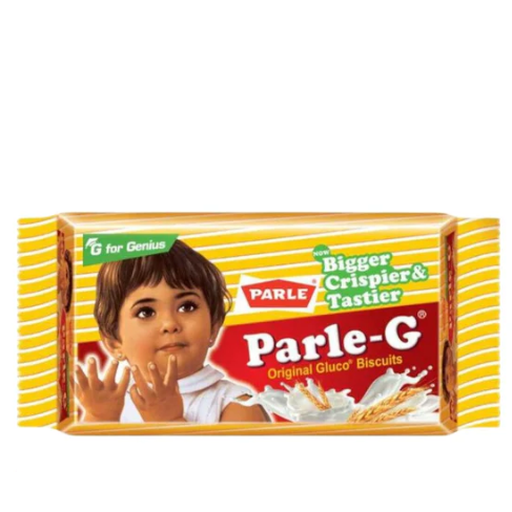
Why This Fits Their Persona: The compact 79.9g pack is suitable for trying an internationally popular tea biscuit without purchasing a larger box. It is ready to eat and easy to store in a cupboard.
The stated net weight is clear, helping shoppers compare a small trial pack with larger family sharing packs rather than judging by packaging size.
Ready to eat; suitable for tea, coffee or milk; contains wheat, milk and soya, which are clearly listed for checking.
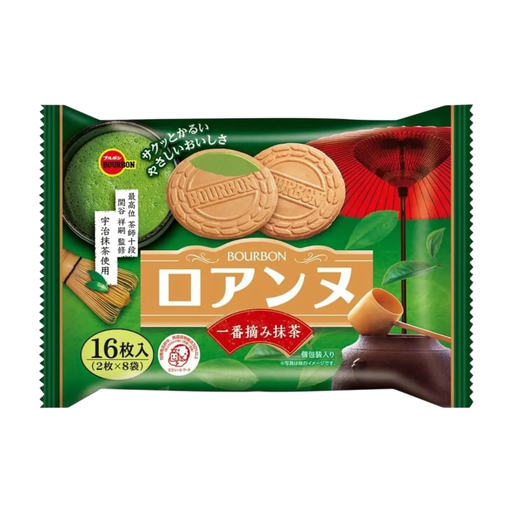
Why This Fits Their Persona: Individually wrapped matcha cream wafers offer a more distinctive Japanese snack option for gifting, desk drawers or serving with tea.
The 16-piece format and per-two-piece nutrition information make portion planning clearer than relying on a generic “sharing” description.
16 individually wrapped pieces; matcha-flavoured cream; listed allergens include wheat, egg, milk and soya.

Why This Fits Their Persona: The 330g triple-pack format is practical for households that want a familiar chocolate-and-orange option for tea-time treats, visitors or family sharing.
The total weight and three-pack structure are stated clearly, making it easier to plan for sharing rather than mistaking the outer pack for a single serving.
330g total weight; sponge, orange-flavoured jelly and dark chocolate layers; contains milk, wheat, egg and soya.
For chocolate-focused snacking, Fox’s Triple Chocolate Chunkie Cookies and LU Le Petit Chocolate Biscuits provide different textures: chunky biscuits versus a crisp biscuit with a chocolate topping. If you prefer sandwich biscuits, the strawberry-flavoured option offers a filled format in a 97g pack.
For mixed occasions, consider Tunnock’s Milk Chocolate Teacakes, Nestlé Toffee Crisp Biscuits or Marukyo Tsubuan Dorayaki. These suit different preferences, from individually portioned chocolate snacks to soft Japanese sweets filled with adzuki bean paste.
A broader selection of wafer biscuits, chocolate cakes, pastries and ready-to-eat confectionery can help you compare flavours, sizes and formats in one place.
We have compiled a complete, real-time list of products that fully satisfy these strict selection criteria and UK safety regulations.
Check the net weight, number of pieces, pack format, ingredients, allergens, nutrition panel and storage instructions. For international products, also confirm the country of origin and the UK distributor information where supplied.
They can be more convenient because each portion is protected until opened and is easier to pack. However, compare the number of pieces and total weight, as individually wrapped products may cost more per 100g.
Keep unopened products in a cool, dry cupboard away from direct sunlight. Reseal opened packs or transfer them to an airtight container. Follow the packaging for any special instructions, particularly for filled biscuits, soft cakes and frozen pastries.