
24/7 Customer Support

Free returns

Same-day & Next-day Delivery

Quality Guaranteed

Unlock Your Welcome Offers: FREE Delivery | Up to 80% OFF | Free 30-day JoyPlus trial
Download the APP
A black wallet can look refined in a product photograph yet become inconvenient after a few weeks of daily carrying. Bulging pockets, difficult card access and peeling finishes are common reasons shoppers replace an otherwise attractive accessory.
When comparing black designer wallets, focus on the details that affect everyday use rather than relying on branding alone. The right choice depends on how many cards you carry, whether you use cash and coins and whether the wallet will live in a trouser pocket, work bag or handbag.
A very slim wallet may only accommodate a few cards. If you regularly carry a driving licence, bank cards, travel cards, membership cards and cash, a compact black card holder may quickly become overfilled. Once the slots are stretched, cards can become loose or difficult to remove.
Check the number and arrangement of compartments before buying. A wallet with card slots should match your actual daily load, not an idealised minimalist routine.
“Leather” can refer to different materials and finishes. The listed products in this guide include genuine leather, synthetic leather and polyester or polyurethane blends. These materials can differ in texture, flexibility, resistance to moisture and care requirements.
A black leather wallet may develop a natural character over time, but it should still be protected from water, oils, alcohol-based sanitiser and abrasive cleaners. Synthetic options can offer a consistent surface and straightforward wipe-clean care, but shoppers should check the product specification rather than assuming performance from appearance.
A wallet described as slim may measure around 1cm when empty. Adding several cards and banknotes increases its thickness. An XL billfold or a design with a coin compartment may be more useful for larger contents, but it will generally require more space than a simple card holder.
For commuting or front-pocket carrying, compare the stated measurements with the pocket you use most often. This is particularly important when choosing a men's black wallet for tailored trousers or a women's black wallet intended for a small crossbody bag.
Look for a clear material description, such as 100% genuine cowhide leather, genuine leather or synthetic leather made with polyester and polyurethane. Surface treatments also affect the look and feel:
Brand recognition can influence styling, but it does not replace checking the material, stitching, lining and care instructions.
A bifold wallet or billfold wallet normally folds around banknotes and offers a balance between capacity and portability. Check whether it has:
For card-only use, a slim wallet or black card holder can reduce pocket bulk. For cash users, a traditional billfold is usually more suitable.
The featured options measure approximately 10.5–11.5cm in length and 8.8–9cm in height, with listed depths from 0.8–2.5cm depending on the design. These dimensions are compact, but capacity and contents will influence the final profile.
Before ordering, measure your current wallet and consider whether you carry it in a back pocket, front pocket, handbag or work bag. A rigid structure may help a wallet retain its shape, while a softer construction can feel more flexible during daily use.
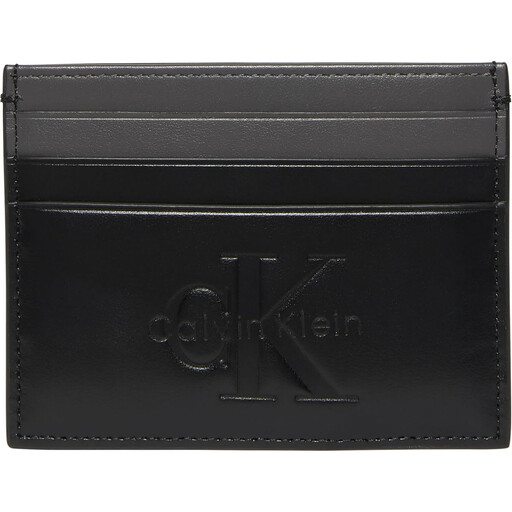
Why This Fits Their Persona: A practical starting point for shoppers who mainly carry cards and want a compact black accessory for commuting, casual use or a small daily bag.
Its purpose is clear: a slim multi-card layout rather than a billfold that may be unnecessarily large for card-only carrying.
Smooth synthetic leather construction, multiple card slots and stated dimensions of approximately 11cm x 8cm x 1cm.
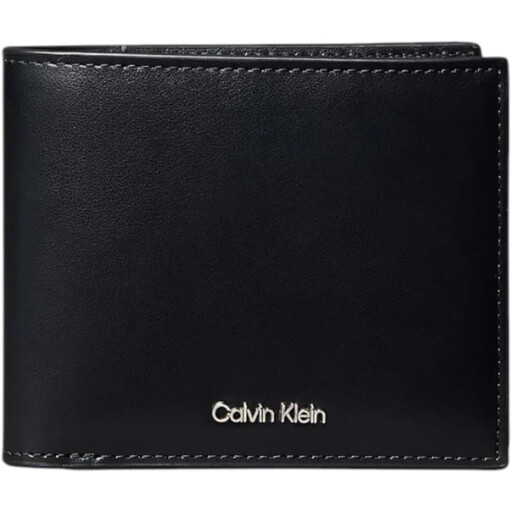
Why This Fits Their Persona: Suitable for shoppers who prefer genuine leather and a traditional layout for business occasions, everyday use and gifting.
The specification identifies 100% genuine cowhide leather and a billfold format, helping shoppers distinguish material and layout before purchase.
Raised embossed texture, card and slip compartments, full-length cash compartment and an approximate 11cm x 9cm x 2cm size.
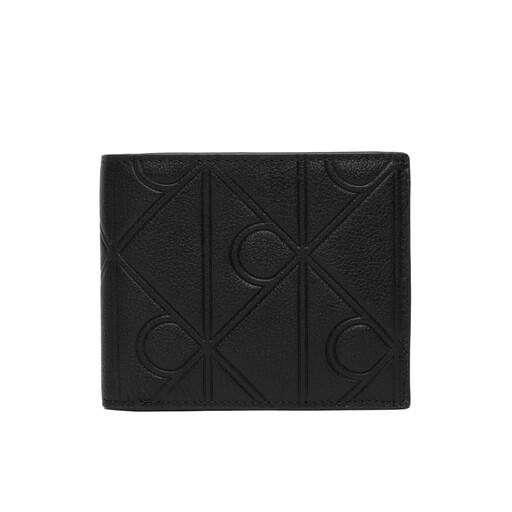
Why This Fits Their Persona: The expanded format suits people carrying several cards, banknotes and small daily items between work, travel and regular errands.
The XL label and listed multi-slot interior make its larger storage intention explicit, reducing the risk of choosing a card holder for a high-capacity need.
Multiple card slots, a full-length cash compartment, small-item pockets and an embossed emblem pattern.
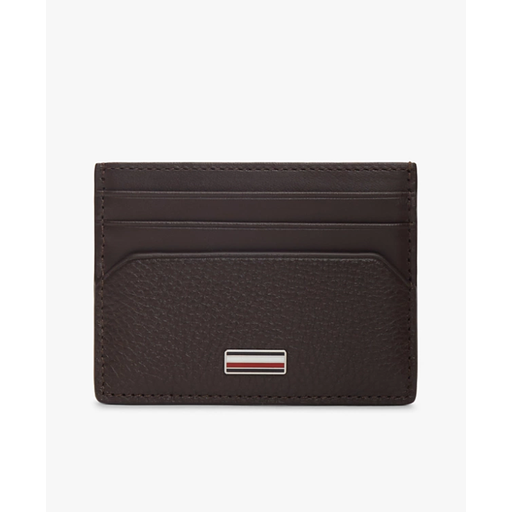
Why This Fits Their Persona: A structured option for shoppers wanting a recognisable designer detail with a traditional cash-and-card arrangement for office days or travel.
Its stated 100% leather body, bifold structure, internal dividers and dedicated billfold pocket provide clearer practical information than branding alone.
Pebble-grain leather finish, multiple card slots, a deep note pocket and compact listed dimensions of 10.5cm x 8.8cm x 1cm.
We have compiled a complete, real-time list of products that fully satisfy these strict selection criteria and UK safety regulations.
Yes, provided the layout matches your routine. Choose a billfold if you carry banknotes or a black card holder if you mainly use contactless payments and a small number of cards. Avoid filling slots beyond their intended capacity, as this can affect the wallet’s shape and card security.
There is no fixed lifespan. Frequency of use, pocket friction, exposure to moisture and the amount carried all affect condition. Wipe leather with a soft cloth, keep it away from water and store it in a dry place when not in use. Synthetic leather should also be protected from heat, oils and abrasive products.
Choose a wallet with coin compartment if you regularly carry change or want one accessory for cash and cards. If you mostly pay by card and want low bulk, a slim wallet without a coin section may be more comfortable. Compare the closed dimensions when full, not just the empty measurements.