
24/7 Customer Support

Free returns

Same-day & Next-day Delivery

Quality Guaranteed

Unlock Your Welcome Offers: FREE Delivery | Up to 80% OFF | Free 30-day JoyPlus trial
Download the APP
Black pepper brings warmth, aroma and savoury depth to everything from crisps to stir-fries. However, shopping for black pepper snacks and seasonings can be less straightforward than it appears. A bold-looking packet may contain only a small amount of pepper, while a “light” snack can still be high in fat or salt.
This guide explains what to check before buying, whether you are comparing black pepper crisps, black pepper nuts, Asian snacks, sauces or cooking ingredients.
Some products use a seasoning blend containing sugar, flavour enhancers, yeast extract, garlic, onion or chilli. That is not necessarily a problem, but it creates a different taste from a product seasoned mainly with black pepper.
Check the ingredients list rather than relying on the front label. For example, a crisp may describe a “black pepper flavour” while black pepper appears well down the seasoning list. If you prefer a sharper, more aromatic taste, look for black pepper, black peppercorns or black pepper powder near the beginning of the ingredients.
Black pepper snacks can include less obvious allergens. Common examples include:
Always check the current packaging, especially when buying for children, vegetarians or anyone with an allergy. “Vegetarian” and “vegan” should not be assumed from the flavour name alone.
A 20-pack of individually wrapped snacks may offer better portion control but cost more per 100g. Conversely, a large sharing bag may lose its crunch once opened. Consider whether you need a lunchbox snack, a cupboard staple, a party bowl or a cooking ingredient before comparing prices.
For straightforward seasoning, a product such as RAJAH Spices Coarse Black Pepper 100G lists black peppercorns as its sole ingredient. This makes it easier to understand what you are buying, although its allergen information should still be checked on the label.
For more complex products, read the full list. Daisho Yakiichi Black Pepper BBQ Sauce contains soya and wheat and provides a sweet, salty sauce suited to marinades, dipping and stir-fries. Its listed nutrition includes 28g of sugars and 4.2g of salt per 100ml, so it is more appropriate as a condiment than a main ingredient.
Compare similar products using the per 100g figures, not just the packet size. This is particularly useful when comparing black pepper potato crisps, crispbread and nuts.
For example, Kettle Sea Salt & Crushed Black Peppercorns lists 500kcal, 27g fat and 1.5g salt per 100g. Ryvita Deli Cracked Black Pepper Rye Crispbread lists 344kcal, 1.6g fat and 0.56g salt per 100g. These are different types of food, so the figures should not be treated as a direct quality ranking; they simply show why checking the label matters.
Texture is central to the buying decision. Choose thick-cut crisps or potato sticks when crunch is the priority. Choose rye crispbread for toppings, soups or open sandwiches. Choose dried tofu or vegan steak-style snacks when you want a chewy, ready-to-eat option.
Most dry snacks should be stored in a cool, dry place away from direct sunlight and resealed after opening. Frozen black pepper beef balls require storage at -18°C or below and should be cooked thoroughly. Sauces generally need refrigeration after opening, subject to the product label.
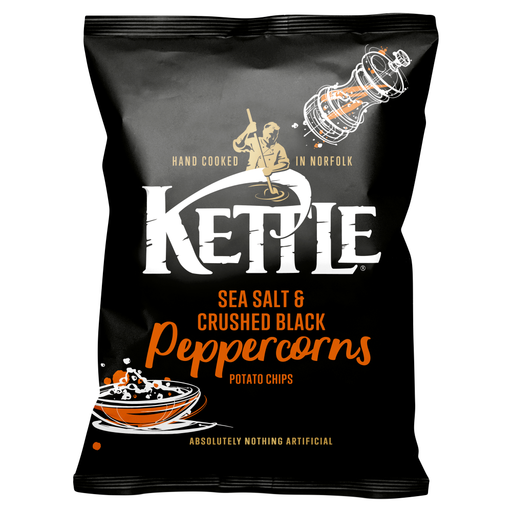
Why This Fits Their Persona: A familiar potato crisp format with a simple sea salt and crushed black pepper seasoning, suitable for casual snacking or sharing.
The listed seasoning identifies sea salt and black pepper, while the 130g pack size is clear for price comparison.
130g pack; 1.5g salt per 100g; store in a cool, dry place.
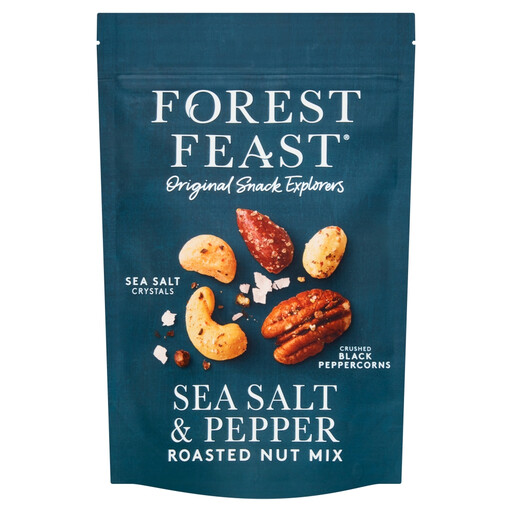
Why This Fits Their Persona: A mixed nut format for cheese boards, office snacking and gatherings where varied textures are preferred.
The ingredient list specifies the nut varieties and pepper blend, making the product format easier to assess before purchase.
Contains peanuts, cashews, almonds and pecans; 17.9g protein per 100g; 120g pack.
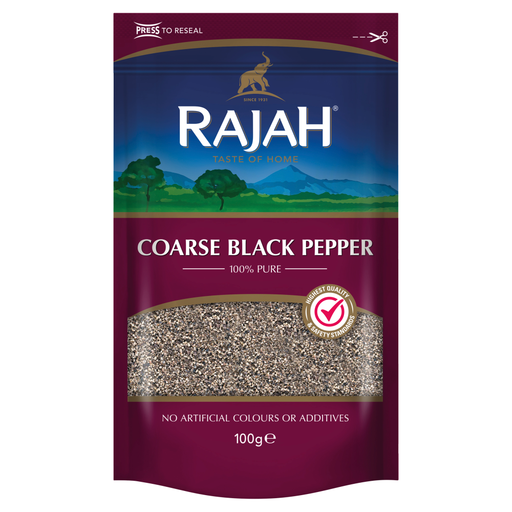
Why This Fits Their Persona: A practical cupboard ingredient for households that regularly season curries, soups, marinades and grilled food.
It is listed as 100% black peppercorns, avoiding a seasoning blend where salt or sweeteners take up most of the recipe.
Single-ingredient product; coarse grind; 100g quantity for repeated cooking use.
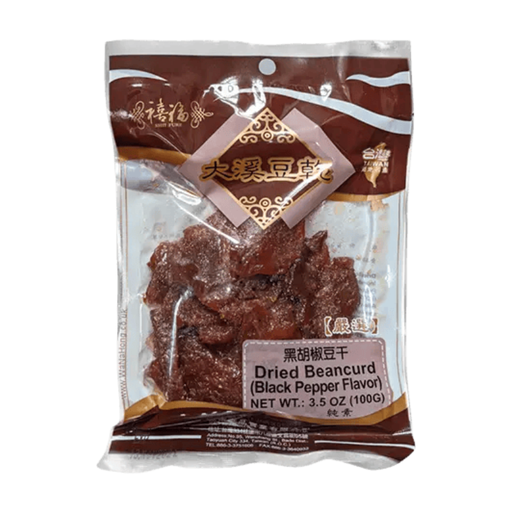
Why This Fits Their Persona: A chewy, ready-to-eat Asian black pepper snack for packed lunches, travel or a savoury break between meals.
The product is individually described as ready to eat, with soya and wheat allergens clearly identified in the supplied information.
19.5g protein per 100g; ready-to-eat format; 100g pack.
We have compiled a complete, real-time list of products that fully satisfy these strict selection criteria and UK safety regulations.
For a lighter, crisp-textured option, Ryvita Deli Cracked Black Pepper Rye Crispbread contains 3.5% black pepper and can be served with soup or toppings. Those seeking international flavours may prefer CALBEE Black Pepper Prawn Crackers, but should check wheat, seafood and seasoning allergens.
For cooking, a black pepper grinder can provide adjustable texture, but check the listing for grinding mechanism, capacity and cleaning instructions before purchase. The supplied details for the BJ stainless steel grinder do not specify these points, so confirm them on the product page.
Black pepper barbecue sauce, turmeric and black pepper tea, and black pepper beef balls serve different purposes. Treat them as cooking ingredients or beverages rather than interchangeable snack products, and follow the storage and preparation instructions on each label.
Options may include potato crisps, crispbread, dried tofu, rice snacks and selected nut mixes. Check the full ingredients and allergen statement because some flavours include milk, seafood seasoning, egg or meat-derived ingredients.
There is no universal amount. Some products list crushed peppercorns as a prominent seasoning, while others use black pepper powder within a broader flavour blend. The ingredients list is the most reliable way to compare them.
Keep dry pepper, crisps, nuts and crispbread in a cool, dry cupboard away from sunlight and moisture. Reseal opened snacks promptly. Refrigerate sauces after opening when instructed, and keep frozen products at the temperature stated on the packaging.