
24/7 Customer Support

Free returns

Same-day & Next-day Delivery

Quality Guaranteed

Unlock Your Welcome Offers: FREE Delivery | Up to 80% OFF | Free 30-day JoyPlus trial
Download the APP
Black rice products now cover far more than a bag of grains. UK shoppers can choose from black rice porridge, black rice cereal, microwavable rice, black rice vinegar and Korean skincare containing black rice extracts. This variety is useful, but it also makes comparison harder.
Packaging may highlight “superfood” blends, traditional recipes or fermented ingredients while giving less attention to the details that affect everyday use. Before buying, check the actual percentage of black rice, preparation method, allergens, serving size and storage instructions.
A cereal or porridge may look dark because it contains several grains, beans, sesame, colouring or flavouring. Always read the quantitative ingredient declaration where available. For example, some blends contain black rice alongside oats, barley, corn, beans and glutinous rice, so the product may not be suitable if you specifically want black rice grains as the main ingredient.
Canned porridge and microwavable rice are designed for convenience, while dried black rice requires rinsing and cooking. Buying a dry ingredient for a quick breakfast can lead to wasted food if you do not have preparation time. Conversely, ready-to-eat products may include sugar, salt, stabilisers or several allergens, so check the label rather than treating every porridge as interchangeable.
Black rice toner and black rice serum are cosmetic products. Ingredients such as rice extract, hyaluronic acid, glycerin and plant oils can contribute to a moisturised or comfortable skin feel, but product descriptions should not be treated as medical advice or a guarantee of wrinkle reduction. Review the full ingredient list, follow usage instructions and patch test new products, particularly if your skin is easily irritated.
For black rice grains, the ingredient list should be simple and clear. Honor Black Rice contains black rice as its listed ingredient and comes in a 454g bag, making it suitable for cooking porridge, rice dishes or mixed-grain recipes. Sunway Black Rice Mixed Grains is a 1.2kg pack of black glutinous rice, intended for porridge, rice, zongzi and pastries.
For cereal drinks, the percentage can differ considerably. The Family Whole black rice black sesame black bean oat flakes product lists oat flakes at 25%, black rice flakes at 2%, black sesame at 1.5% and black soybean powder at 1%. The separate black bean, black rice and black sesame cereal lists black rice at 10% and black sesame at 15%. These figures help you compare the product’s actual composition instead of relying on front-of-pack wording.
For busy mornings, single-serve sachets can reduce measuring and washing up. The Family Whole oat-flake blend contains 20 sachets of 35g and is prepared with approximately 175ml of boiling water. It is designed to be stirred and served within seconds.
Ready-to-eat porridge offers a different convenience format. Yinlu Eight-Treasure Black Rice Porridge comes in 280g cans and can be eaten at room temperature or heated after pouring into a microwave-safe bowl. Daliyuan porridge can also be served hot or cold, but its label advises against heating the can directly in a microwave or on a stove. Always follow the packaging instructions.
UK shoppers should check allergens in bold on the packaging. Black rice products may contain or include oats, wheat, barley, sesame, soybeans, peanuts or coix seed. A product containing black glutinous rice alone may suit a simpler pantry requirement, while mixed porridge can require more careful label checking.
Also compare nutrition panels, particularly sugar and salt. HADAY Black Rice Vinegar, for example, lists 2.0g of salt per 100ml and is intended as a dipping sauce or seasoning rather than a drink. Dried rice should be kept sealed in a cool, dry place; opened cans and prepared food require the storage periods stated on the label.
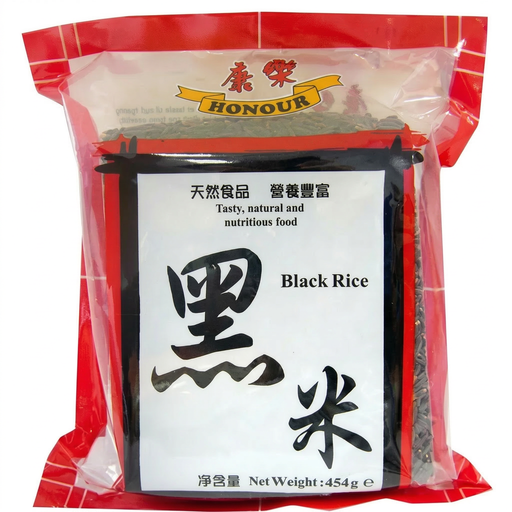
Why This Fits Their Persona: A straightforward entry point for UK households that want to cook black rice porridge or experiment with rice dishes without committing to a large family pack.
It is listed as black rice rather than a multi-grain cereal, so the main ingredient is clear. It requires cooking, avoiding confusion with ready-to-eat porridge.
Single-ingredient product; 454g household pack; suitable for porridge, rice dishes and pastries.
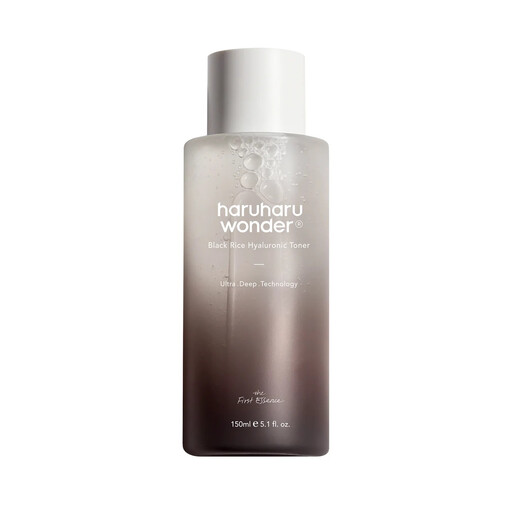
Why This Fits Their Persona: A Korean skincare option for shoppers who prefer a lightweight toner step before serum and moisturiser.
The listed ingredients and warnings make it easier to assess fragrance, alcohol and potential irritants before purchase.
150ml size; watery texture; includes hyaluronic acid and beta-glucan; intended for use after cleansing.
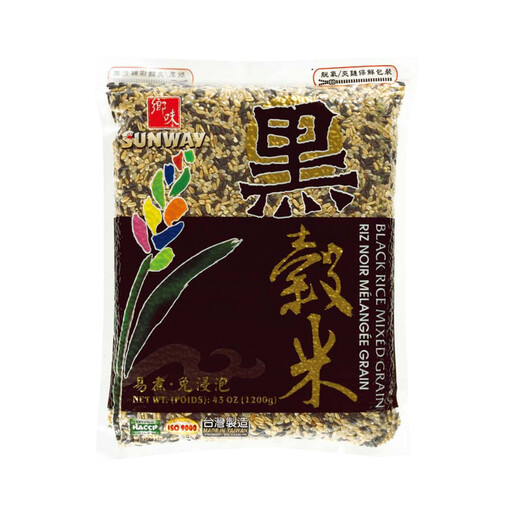
Why This Fits Their Persona: A practical family-sized choice for regular cooking, batch preparation and recipes using black glutinous rice.
The pack size and cooking instructions are stated clearly, helping frequent users judge storage space and preparation needs.
1.2kg family pack; recommended rice-to-water ratio supplied; suitable for porridge, rice, zongzi and pastries.
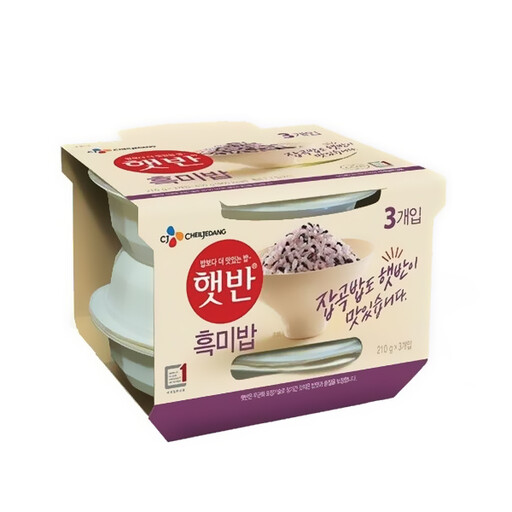
Why This Fits Their Persona: Suitable for students, commuters and families needing a quick rice accompaniment without rinsing or measuring dry grains.
It is clearly labelled as cooked rice, not raw black rice grains. The pack also states that it should be used immediately after opening.
Three 210g portions; microwave-compatible packaging; no listed allergens.
We have compiled a complete, real-time list of products that fully satisfy these strict selection criteria and UK safety regulations.
Yes. Dried black rice grains, including black glutinous rice, can be rinsed and cooked for porridge. Cooking times and water ratios vary, so use the instructions on the pack. Canned black rice porridge is already cooked and can be served immediately.
The answer depends on portion size, frequency and convenience. Dry grains usually require more preparation but can provide multiple servings from one pack. Canned porridge costs more per serving but avoids soaking, cooking and washing up. Compare the net weight, number of servings and storage requirements before deciding.
A black rice toner is generally used after cleansing, while a black rice serum is applied before moisturiser. A facial oil may be used later in the routine. These products have different textures and purposes, so follow the directions and check ingredients rather than assuming one product replaces the rest of a skincare routine.