
24/7 全天候客户支持

免费退货

当日/次日达

品质保障

开启新人专享福利: 全场免邮 | 低至 2 折 | 免费试用 30 天 JoyPlus 会员
下载 Joybuy
As a Joybuy Product Recommendation Officer, my role is to help you navigate the crowded wellness market. The interest in traditional remedies is growing and black seed oil capsules are frequently searched for by UK residents looking to support their health goals. However, not all products are created equal. Before you purchase, it's crucial to understand a few common pitfalls that can lead to a disappointing or unsuitable choice.
This guide will walk you through the key quality markers to look for, helping you select a product that aligns with your needs without falling for marketing hype.
Many shoppers find themselves confused by labels that seem promising but hide important details. Here are three frequent traps to avoid:
To make an informed decision, focus on these three non-negotiable specifications.
The method used to extract the oil from the Nigella sativa seeds is paramount. Cold-pressed black cumin seed oil is produced using a mechanical press that avoids generating high temperatures. This gentle process is vital for preserving the oil's natural compounds, which are sensitive to heat. Furthermore, look for a "hexane-free" declaration on the label. This confirms that no harsh chemical solvents were used, ensuring a purer final product. This is a key indicator of quality for anyone seeking a natural immune support supplement.
To ensure the oil is free from pesticides and other agricultural chemicals, consider choosing organic black seed oil softgels. An organic certification provides an extra layer of assurance about the purity of the raw ingredients. A high-quality oil will naturally contain a spectrum of compounds that contribute to its reputation for supporting general wellness, including cardiovascular health.
The capsule itself is an important part of the product. The default for many softgels is bovine gelatin. If you follow a vegetarian or vegan lifestyle, you must check the ingredients list for the capsule material. Look for terms like "vegetable capsule", "hypromellose" or a clear "suitable for vegans" statement. This ensures you can incorporate vegan black seed oil into your routine without compromise.
Based on the criteria of purity, extraction method and formulation, here are two products matched to different user needs.
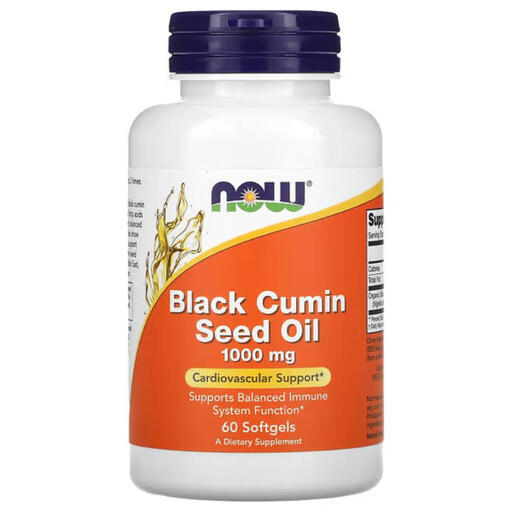
Why This Fits Their Persona: This is an excellent choice for individuals who prefer a higher-strength dose in a single serving for convenience. The 1,000 mg softgel simplifies daily routines, providing a substantial amount of oil without needing to take multiple capsules.
It directly addresses the extraction and potency pitfalls by being explicitly organic, cold-pressed and hexane-free, ensuring a pure and potent oil.
A strong 1,000 mg dose of organic black cumin seed oil per softgel. Produced in a GMP quality-assured facility.
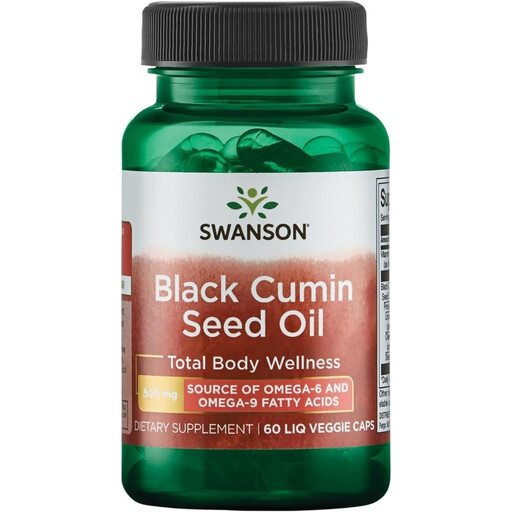
Why This Fits Their Persona: This is the ideal match for UK consumers who adhere to a strict vegan lifestyle. The formulation is entirely plant-based, from the cold-pressed oil to the capsule shell, meeting specific dietary and ethical requirements.
It completely solves the "capsule conundrum" by using 100% plant-based liquid veggie capsules, making it a reliable choice for vegans and vegetarians.
A fully vegan formulation with a clear breakdown of its omega fatty acid content. Enriched with Vitamin E to protect the oil's freshness.
The primary difference is convenience and taste. Black seed oil has a very strong, peppery and somewhat bitter taste that many people find unpalatable. Capsules encase the oil, making it tasteless and easy to swallow. Bottled oil offers more dosage flexibility but can be messy and has a challenging flavour profile.
Yes, it is generally recommended to take black seed oil capsules with a meal. Consuming the oil with food can help improve absorption of its fat-soluble components and may also minimise the chance of any potential digestive discomfort, such as burping or indigestion.
While black seed oil is widely used, it's wise to be cautious in certain situations. Individuals who are pregnant or breastfeeding should avoid it, as its effects have not been fully studied in these groups. Furthermore, because it may influence blood clotting and blood pressure, anyone taking anticoagulant (blood thinner) or anti-hypertensive medications should consult their GP before starting supplementation.