
24/7 Customer Support

Free returns

Same-day & Next-day Delivery

Quality Guaranteed

Unlock Your Welcome Offers: FREE Delivery | Up to 80% OFF | Free 30-day JoyPlus trial
Download the APP
Black tea bags are a regular purchase in many UK households, but choosing between English Breakfast tea, strong tea bags, decaffeinated options and premium blends is not always straightforward. A larger box may appear better value, while a smaller pack may offer a more distinctive flavour or more suitable brewing format.
Before adding a pack to your basket, look beyond the front-of-pack description. The most useful checks are tea quantity, flavour profile, caffeine information, certification and how often your household drinks tea.
A pack containing 80 tea bags is not automatically better value than one containing 160 or 240. Compare the price per tea bag and, where relevant, the price per 100g. Tea bags can vary in weight, so a larger count may contain smaller individual portions.
For frequent drinkers, bulk tea bags can reduce the need for repeat orders. However, buying more than you can store properly may reduce freshness over time, particularly if the outer packaging is repeatedly opened.
Strong tea bags are generally intended to produce a more pronounced cup, but strength depends on the blend, brewing time, water temperature and whether you add milk. A robust blend can suit a traditional breakfast brew, while a smoother English Breakfast tea may be more versatile when served black or with milk.
Descriptions such as “rich”, “full-bodied” or “proper brew” are useful indicators of intended style, but they are not standardised strength measurements. Check the ingredients and brewing guidance rather than relying on promotional language alone.
Terms such as organic, Fairtrade, “naturally decaffeinated” and “plastic-free” describe different characteristics. Organic certification relates to production standards, Fairtrade relates to certified sourcing arrangements and decaffeination describes the removal of much of the caffeine from tea.
If you are specifically seeking organic Fairtrade tea, check that both terms appear on the product information. For decaffeinated tea bags, remember that “decaf” does not necessarily mean completely caffeine-free; consult the packaging if caffeine intake is important to you.
Most everyday black tea bags use blends of teas such as Assam, Ceylon and other black teas. Assam black tea is commonly associated with malty, robust notes, while Ceylon can contribute brightness and briskness. A blend may be designed to remain noticeable when milk is added.
Loose leaf Assam tea offers a different preparation style. It normally requires a teapot, infuser or strainer and gives the leaves more room to expand. Tea bags are more convenient for individual cups, workplaces and quick morning routines.
Check both the tea bag count and the net quantity. Examples in this range include:
A 240-bag pack can be practical for family kitchens, but a smaller pack may be more suitable if you are comparing a new blend or have limited cupboard space.
Freshly boiled water and a brewing time of around three to five minutes are commonly recommended for black tea, although the ideal time depends on personal preference. Leaving the bag in for longer can produce a stronger cup but may also increase bitterness or astringency.
Store tea in a cool, dry place away from direct sunlight, moisture and strong odours. Keep the original packaging or transfer loose leaf tea to an airtight container. Always check the best-before information on the pack.
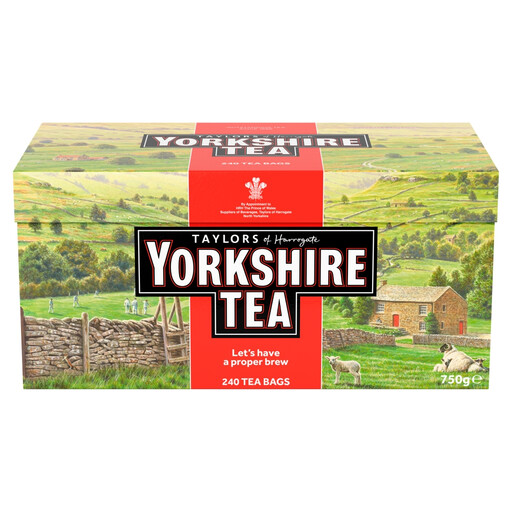
Why This Fits Their Persona: The 240-bag format suits UK households that make everyday tea throughout the day and want to reduce frequent restocking.
The high bag count makes the total supply clear, rather than relying on vague value language. Check the price per bag before buying.
Contains 100% black tea; 240 bags and 750g net quantity provide a substantial everyday supply.
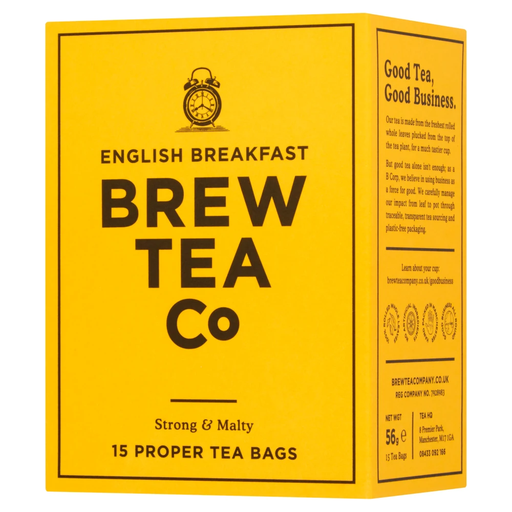
Why This Fits Their Persona: A smaller pack works for shoppers who want to explore a fuller-style blend before committing to a larger box.
The ingredients identify a blend of Assam and Ceylon black teas, giving more useful information than a generic strength label alone.
Uses 15 tea bags containing whole leaves according to the product description; suitable with milk or served black.
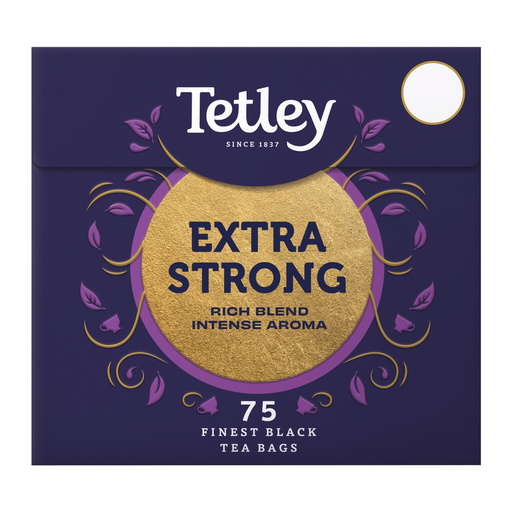
Why This Fits Their Persona: Designed for drinkers who prefer a more pronounced cup, particularly when adding milk or serving tea with a substantial breakfast.
“Extra Strong” is paired with a stated 75-bag count and 237g net quantity, allowing a clearer comparison with other strong tea bags.
Contains black tea; the product information states that its tea leaves are sourced from Rainforest Alliance Certified tea gardens.

Why This Fits Their Persona: This option combines an everyday format with organic, Fairtrade and decaffeinated features for shoppers comparing sourcing and caffeine preferences.
The product description specifies organically grown black tea, 100% Fairtrade tea and naturally decaffeinated tea, rather than using one broad ethical label.
Includes 80 tea bags weighing 277g; the bags are described as plastic-free and unbleached.
For a smaller premium-style supply, Yorkshire Gold tea bags are available in 80-bag and 160-bag formats. The listed preparation guidance recommends freshly boiled water and three to five minutes of brewing, with milk or sugar added to taste.
Twinings English Breakfast tea is also available in 80-bag and 120-bag packs, both containing 100% black tea. If you prefer loose leaf Assam tea, the Brew Tea Co 113g pack is stated to yield approximately 25 cups and requires an infuser, teapot or strainer rather than a conventional tea bag.
Those comparing UK tea brands should assess the actual format, quantity and ingredients alongside familiarity with the name. Familiar packaging can make selection quicker, but the product details determine whether it fits your routine.
We have compiled a complete, real-time list of products that fully satisfy these strict selection criteria and UK safety regulations.
Unopened tea bags can generally be kept until the best-before date shown on the packaging when stored in a cool, dry place. Once opened, keep the box sealed and away from moisture and strong smells. The tea may remain usable beyond the date, but flavour and aroma can gradually diminish.
Usually, decaffeinated tea contains substantially less caffeine rather than none at all. If you need to avoid caffeine, read the product packaging carefully and follow any manufacturer information about the decaffeination process.
The answer depends on pack price, yield and how much tea you use per cup. Tea bags are convenient and portioned, while loose leaf tea may require additional equipment and more preparation. Compare the stated number of servings, net weight and your usual brewing method before deciding.