
24/7 Customer Support

Free returns

Same-day & Next-day Delivery

Quality Guaranteed

Unlock Your Welcome Offers: FREE Delivery | Up to 80% OFF | Free 30-day JoyPlus trial
Download the APP
Black tea can be a simple cupboard essential, an afternoon ritual or a thoughtful gift. However, choosing between tea bags, loose leaf black tea, organic blends and flavoured varieties is not always straightforward. Packaging can make similar products appear very different, while large pack sizes may not suit occasional drinkers.
This guide explains what to check before buying black tea in the UK and matches several options to different shopping priorities.
A larger box is not automatically more economical. Compare the number of servings, the quantity of tea per bag and whether you will use the full pack before its best-before date. A 120-bag box may suit a busy household, while a smaller loose-leaf caddy may be more practical for occasional use or gifting.
Premium tea gifts often focus on presentation, but the box does not tell you everything. Check the ingredient list, net quantity, preparation instructions and storage guidance. For flavoured black tea, confirm whether the taste comes from listed ingredients such as rose flowers, rose petals, orange peel or bergamot oil.
English breakfast tea is generally selected for a robust, familiar cup, while Earl Grey tea has a distinctive citrus character from bergamot. Darjeeling tea is associated with a lighter, floral profile. Organic black tea may suit shoppers prioritising certified organic production, but the certification and ingredients should still be checked on the product listing.
Black tea bags are convenient for work, travel and quick morning preparation. Look for the number of bags, total weight and recommended infusion time. Some larger-format tea bags may contain more tea, which can influence strength and flavour.
Loose leaf tea allows you to adjust the quantity for each cup or teapot. It requires an infuser or strainer, but can be useful for drinkers who prefer control over strength. Tea Story Rose Black Tea, for example, recommends infusing 2–3g of leaves in boiling water for 3–5 minutes.
A product labelled simply as black tea may contain a single tea type or a blend. If you want a traditional everyday cup, a 100% black tea product may be suitable. For a more aromatic drink, inspect the added ingredients:
The product description should also state allergen information. The options featured here list no known allergens, but always check the current packaging before purchase.
For ethically conscious shoppers, look for clearly stated certifications rather than relying only on general sustainability language. The featured range includes ECOCERT organic, organic, Fairtrade and Rainforest Alliance references on selected products. These labels relate to specific production or sourcing standards, so check which certification applies to the product you are considering.
If you are reducing caffeine, choose a product specifically labelled decaf black tea. Taylors of Harrogate Yorkshire Tea Decaf lists decaffeinated black tea as its ingredient. Decaffeination does not necessarily mean caffeine-free, so check the packaging if you need precise information.
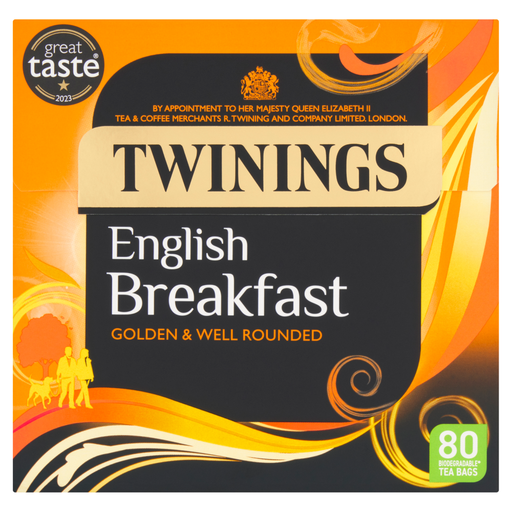
Why This Fits Their Persona: A practical 80-bag format for UK households wanting a familiar tea option for daily breakfasts, work breaks and visitors.
The stated 80-bag quantity makes the serving count clear, avoiding vague value claims based only on pack appearance.
100% black tea ingredients; 80 individually portioned tea bags for straightforward preparation.
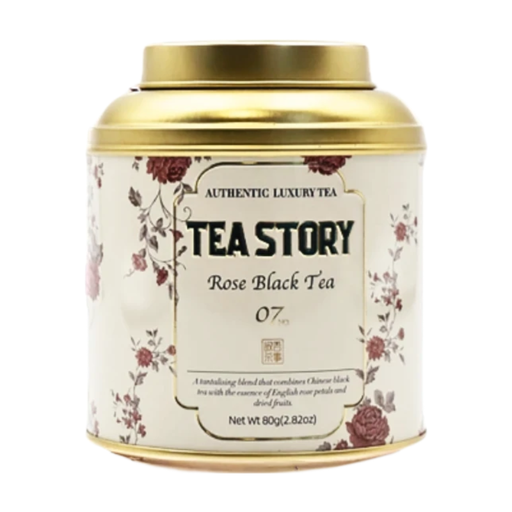
Why This Fits Their Persona: Suitable for shoppers seeking a floral black tea in a caddy format for evening serving or premium tea gifts.
The listing identifies the ingredients, ECOCERT organic status, 80g quantity and preparation method rather than relying only on gift-style presentation.
Black tea and rose flowers; loose leaf format; ECOCERT organic certification stated in the product details.
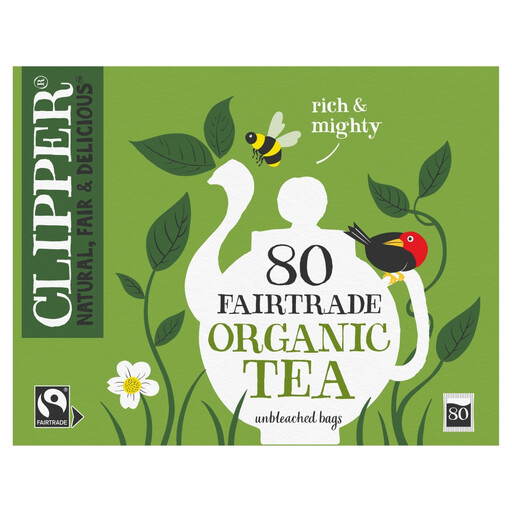
Why This Fits Their Persona: A convenient everyday option for shoppers who want organic black tea and a stated Fairtrade certification in a standard tea-bag format.
The product details specify organically grown black tea, 80 tea bags and Fairtrade positioning, making the key purchasing criteria easier to verify.
80 tea bags; 232g net quantity; organic black tea ingredient listed; no artificial ingredients stated in the description.
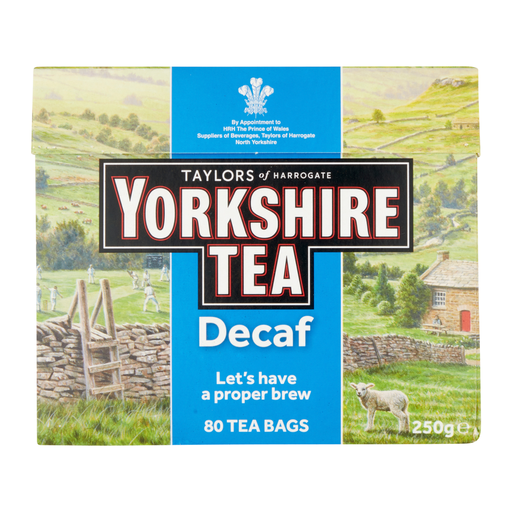
Why This Fits Their Persona: Designed for regular tea drinkers who want a larger 250g pack and a decaffeinated option for their routine.
The product is clearly identified as decaffeinated black tea, avoiding the need to infer caffeine information from general marketing language.
250g net quantity; decaffeinated black tea ingredient; storage guidance recommends a cool, dry place away from direct sunlight.
We have compiled a complete, real-time list of products that fully satisfy these strict selection criteria and UK safety regulations.
It depends on serving size, pack price and how much tea you use per cup. Loose leaf tea can offer more control over strength and may suit teapots, while tea bags reduce preparation time. Compare the total weight and recommended quantity rather than judging value by format alone.
Keep tea in a cool, dry place, away from direct sunlight and strong household aromas. Reseal opened packs or use an airtight container, particularly for loose leaf tea. Follow the storage instructions on the packaging and check the best-before date before serving.
If you want to avoid or reduce caffeine, look for a clearly labelled decaf black tea. If caffeine is not a concern and you prefer a more aromatic style, rose black tea may offer floral notes, while Earl Grey tea provides a citrus-led flavour. Always check the ingredient and preparation details before ordering.