
24/7 Customer Support

Free returns

Same-day & Next-day Delivery

Quality Guaranteed

Unlock Your Welcome Offers: FREE Delivery | Up to 80% OFF | Free 30-day JoyPlus trial
Download the APP
A coat of black paint can dramatically transform a space, turning a tired piece of furniture into a modern statement or giving a garden fence a sharp, contemporary edge. But with so many options available, from durable exterior treatments to creative interior finishes, choosing the correct black wood paint for your project can feel overwhelming.
This guide is designed to help you navigate the choices. We will outline key factors to consider before you buy and share some of our top recommendations to help you find a reliable and effective solution for your next DIY task.
Making the right choice comes down to your specific project. Before adding a tin to your basket, consider these three points.
The most important factor is where you will be using the paint. An exterior black paint is formulated to withstand the UK's unpredictable weather, offering protection against rain, sun and temperature changes. These are ideal for projects requiring black fence paint or black shed paint. For indoor items, a water-based black paint is often a practical choice due to its low odour and easy clean-up, making it perfect for upcycling a chest of drawers or a picture frame.
The finish, or sheen, of the paint affects the final look and feel. A matt black paint provides a modern, non-reflective surface that is excellent at hiding minor imperfections in the wood. It’s a popular choice for black furniture paint and feature walls. On the other hand, speciality finishes like black chalkboard paint can add a fun, interactive element to a kitchen wall, a child's playroom or a home office.
If your project involves multiple material types—perhaps a wooden bench with metal legs or a plastic planter you want to match to a wooden trellis—a multi-surface black paint can be a very practical solution. These paint-and-primer formulas are designed to adhere to various materials including wood, metal, plastic and even ceramic, saving you the time and expense of buying separate products.
Based on their features and suitability for common UK home and garden projects, here are our recommendations.
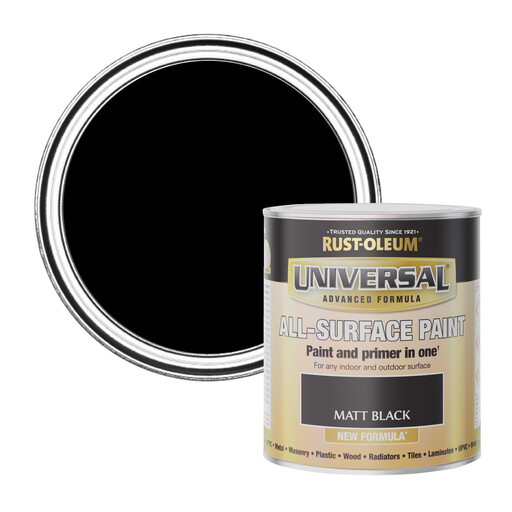
Why It Stands Out: This paint’s key feature is its advanced paint-and-primer-in-one formula. It is designed for direct application to a huge range of surfaces, making it an incredibly versatile option for almost any DIY project you can think of, both inside and out.
Pros:
Who is it for? This is a great all-rounder for the DIY enthusiast who needs a single, reliable tin for various projects around the home and garden.
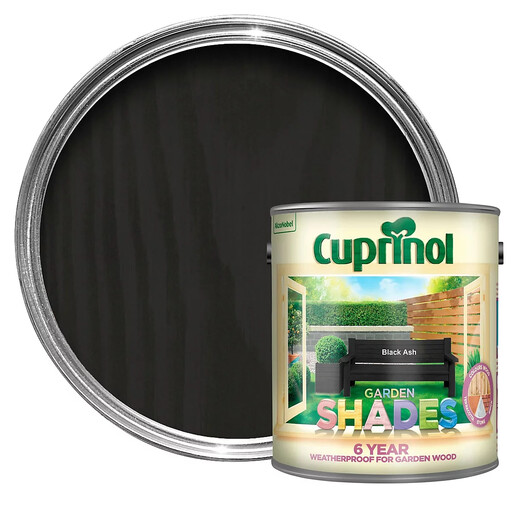
Why It Stands Out: Specifically developed for outdoor timber, this Cuprinol black ash treatment offers both colour and protection. Its formula is designed to provide weather protection for garden wood for up to six years, while its matt finish allows the natural texture of the woodgrain to show through.
Pros:
Who is it for? Ideal for gardeners and homeowners focused on protecting and beautifying outdoor timber structures like fences, sheds and pergolas with a rich, lasting colour.
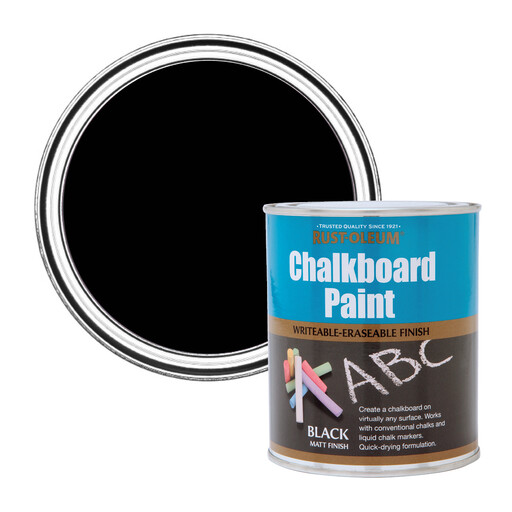
Why It Stands Out: This is more than just a paint; it’s a functional surface creator. This black chalkboard paint transforms walls, doors or upcycled furniture into a writable, wipeable canvas. Its tough, scratch-resistant finish and Toy Safe certification make it a practical and creative choice.
Pros:
Who is it for? Perfect for families, creative individuals or anyone wanting to add a fun and practical feature to their home, from a kitchen memo board to a child's creative corner.
If your project is focused on interior walls rather than wood or garden structures, a dedicated emulsion might provide a more suitable finish. For projects focused on interior walls, you might find a more suitable option in our dedicated black wall paint collection. Explore the range to find the perfect finish for your living space.
Do I need to prime wood before using black paint? It depends on the product. Many modern multi-surface black paint options include a primer, allowing direct application. However, for bare, untreated wood, or to cover a strong existing colour, using a separate primer can improve adhesion and the final finish. Always check the instructions on the tin.
Can I use interior black wood paint on my garden fence? This is not recommended. Exterior black paint and specific black fence paint contain additives to resist moisture, UV damage and temperature fluctuations. Interior paint used outdoors will likely peel, crack and fade quickly.
How can I achieve a smooth finish on wood furniture? Preparation is the most important step. Ensure the surface is clean, dry and lightly sanded to create a key for the paint. Apply thin, even coats with a quality brush or mini-roller, allowing each coat to dry fully as directed. When using a matt black paint, try to avoid going back over semi-dry areas, as this can create an uneven texture.