
24/7 Customer Support

Free returns

Same-day & Next-day Delivery

Quality Guaranteed

Unlock Your Welcome Offers: FREE Delivery | Up to 80% OFF | Free 30-day JoyPlus trial
Download the APP
Blackcurrant drinks are a familiar choice for family fridges, lunchboxes and picnics across the UK. However, the front of a bottle or carton does not always tell the full story. A drink described as “zero sugar” may contain sweeteners, while “no added sugar” does not necessarily mean that it contains no naturally occurring sugars.
The practical approach is to compare the drink format, nutrition panel, ingredients, pack size and age guidance before adding anything to your basket. This guide highlights the main buying traps and matches different types of shoppers with suitable options.
“No added sugar” means that manufacturers have not added sugar during production, but fruit juice ingredients can still contribute naturally occurring sugars. Check the nutrition table rather than relying only on front-of-pack wording.
Some zero sugar blackcurrant drinks and no-added-sugar products use sweeteners such as sucralose, acesulfame K or aspartame. This can help reduce the sugar content, but it may affect taste and may not suit every household. If a product contains aspartame, look for the relevant phenylalanine warning.
A bottle of blackcurrant squash is a concentrate, so its stated nutrition may refer to the undiluted liquid. The drink you pour into a glass will depend on how much water you add. Always follow the preparation instructions and factor in the recommended dilution when comparing value.
Ready-to-drink blackcurrant juice drink cartons and pouches are more convenient, but they tend to use more packaging per serving than a large bottle of squash. They may still be worthwhile for packed lunches and days out where portion control matters.
A large blackcurrant drink multipack can reduce the need for frequent shopping, but individual bottles, cartons and pouches have different storage requirements. Once opened, some drinks need refrigeration and should be consumed within a stated period.
For children, also check age guidance, cap warnings and whether the packaging is suitable for the intended use. For example, some small bottles carry a choking warning and are not suitable for children under 36 months.
Decide whether you need:
Fruit percentages vary considerably. For example, Capri-Sun Zero Blackcurrant lists 5% fruit juice from concentrate, including 4% apple and 1% blackcurrant. Robinsons Fruit Shoot Apple & Blackcurrant lists 6% apple juice and 2% blackcurrant juice from concentrate. These figures provide a more useful comparison than flavour descriptions alone.
Use the per 100ml figures to compare products on a consistent basis. Highland Spring Apple & Blackcurrant Still Flavoured Water lists 0g sugar and 1kcal per 100ml. Capri-Sun Zero Blackcurrant lists 0.5g sugars and 4kcal per 100ml, while Robinsons Fruit Shoot Apple & Blackcurrant lists 0.7g sugars and 4kcal per 100ml.
Check the ingredients for sweeteners, preservatives and declared allergens. A no-added-sugar product may still contain sweeteners, and a drink with fruit juice may contain naturally occurring sugars.
Large bottles can work well for family meals, but they require glasses, refrigeration after opening and accurate dilution. Small cartons, pouches and bottles are easier to distribute, although the price per litre may be higher.
Before buying a multipack, calculate the total volume and divide the price by the number of servings. This helps distinguish genuine value from packaging that simply looks larger on the shelf.

Why This Fits Their Persona: A 1.5L concentrate is suited to households that want multiple drinks from one bottle and the flexibility to adjust strength to taste.
The product gives a stated dilution guide of 50ml squash with at least 200ml water, making serving preparation clearer than estimating from the bottle.
No added sugar; contains 18% blackcurrant juice from concentrate; refrigerate after opening and use within four weeks.
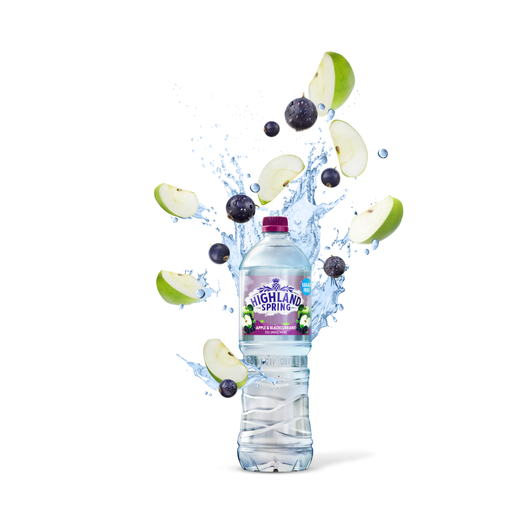
Why This Fits Their Persona: Suitable for shoppers who prefer a still, lightly flavoured drink in a larger bottle for the fridge or shared meals.
Its nutrition panel clearly lists 0g sugar and 1kcal per 100ml, while the ingredients identify sucralose as the sweetener.
1.25L bottle format; apple and blackcurrant flavour; bottle information states that it is recyclable.
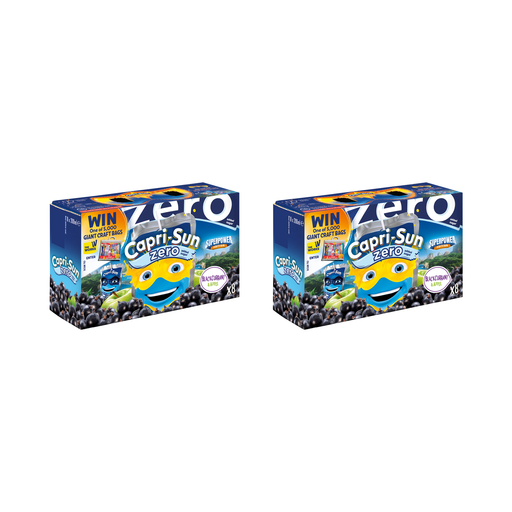
Why This Fits Their Persona: The 16-pouch format works for families preparing lunchboxes, playdates, park trips and repeated days out.
The serving size is pre-portioned at 200ml, reducing the need to measure squash for each child or outing.
200ml pouches; 4kcal and 0.5g sugars per 100ml; product information states no preservatives and no artificial colours or flavours.
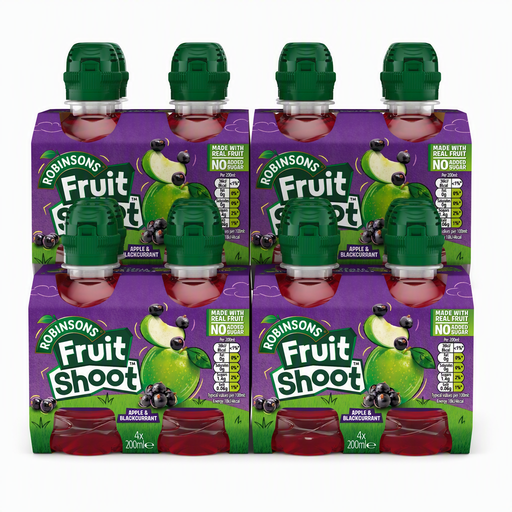
Why This Fits Their Persona: A 16-bottle arrangement provides ready portions for families who want small drinks available at home and on the go.
The pack quantity and 200ml bottle size are clearly stated, helping shoppers compare it with smaller or larger children's blackcurrant drinks.
Lists apple juice at 6% and blackcurrant juice at 2%; advisory age guidance is 36 months and over because of small cap components.
We have compiled a complete, real-time list of products that fully satisfy these strict selection criteria and UK safety regulations.
It can offer a lower cost per serving because one bottle is diluted into several drinks. The actual value depends on the recommended dilution, pack price and how much is poured. Compare the total prepared volume rather than the concentrate volume alone.
Suitability depends on the individual product, age guidance and ingredients. Check the label for sweeteners, allergen information and warnings. Some products are specifically marked as unsuitable for younger children, while small bottle caps can present a choking risk. Plain water should also remain part of a child’s everyday drinks routine.
Storage instructions vary. Squash may need refrigeration and consumption within a few weeks, while ready-to-drink products may need using within a few days. Always follow the packaging, keep opened drinks chilled where instructed and check the best-before information before serving.