
24/7 Customer Support

Free returns

Same-day & Next-day Delivery

Quality Guaranteed

Unlock Your Welcome Offers: FREE Delivery | Up to 80% OFF | Free 30-day JoyPlus trial
Download the APP
Blackcurrant products cover a wide range of needs, from family squash and lunchbox snacks to energy gels for long-distance training. However, the attractive front-of-pack message does not always tell you what you need to know.
A drink labelled “fruit” may still contain sweeteners, while a “no added sugar” product may not be sugar-free. Similarly, a vegan snack can still contain considerable naturally occurring sugars, and a sports gel designed for endurance exercise may be unsuitable for children.
This guide explains the practical details to check before buying blackcurrant drinks, blackcurrant snacks or blackcurrant supplements.
“No added sugar” means that manufacturers have not added sugar during production. It does not necessarily mean the product contains no sugar. Fruit juice drinks, dried fruit snacks and kombucha can contain naturally occurring sugars.
Check the nutrition panel per 100ml or per portion, rather than relying only on the front label. Sweeteners such as sucralose, acesulfame K or aspartame may also be used in no-added-sugar blackcurrant drinks.
Blackcurrant squash and concentrate require dilution. A typical instruction may be one part concentrate to at least four parts water. Drinking squash undiluted can make the flavour overly strong and may increase the amount consumed per serving.
Ready-to-drink options, such as apple and blackcurrant drinks or small juice cartons, are more convenient for packed lunches, but they usually cost more per litre and create more individual packaging.
Some products are designed for adults, toddlers or sports use rather than general family consumption. For example:
Always compare the product label, ingredients, warnings and storage instructions before ordering.
For blackcurrant juice, squash and family blackcurrant drinks, compare:
For example, a standard Ribena Blackcurrant 12x250ml serving is listed at 47.5 kcal and 10.5g of sugar per 250ml. By contrast, the listed Ribena no-added-sugar concentrate contains sweeteners and has a lower stated energy value after dilution. Formulations can change, so check the current packaging.
If you are looking for vegan blackcurrant products, check the complete ingredients list and allergy statement. Vegan suitability does not automatically mean low sugar, low calorie or suitable for every allergy.
Useful details include:
For children’s blackcurrant fruit snacks, portion size and texture also matter. A soft oat bar may suit a supervised toddler snack, while a chewy fruit strip may be more convenient for an older child.
Runners, cyclists and endurance athletes should focus on carbohydrates per serving, rather than flavour alone. The Applied Nutrition blackcurrant energy gels listed here provide approximately 23g of carbohydrate per 60g sachet. The carbohydrate powder provides 24g per 25g serving, mixed with water according to the instructions.
Check whether the product contains:
These products are for planned exercise nutrition, not everyday hydration.
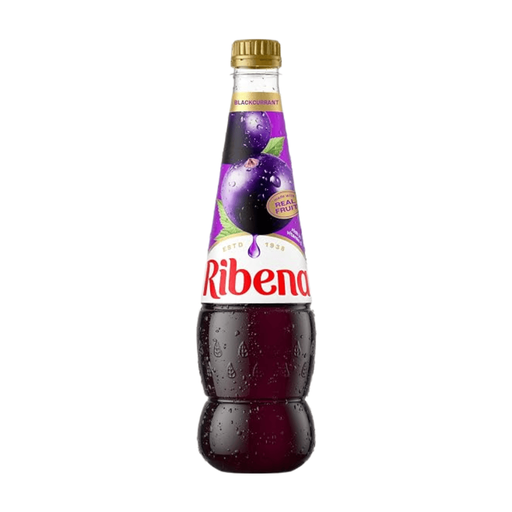
Why This Fits Their Persona: A concentrate can be practical for households that regularly serve blackcurrant squash and want to adjust strength by glass.
The dilution direction makes portion planning clearer than buying a large ready-to-drink bottle for every occasion.
850ml bottle; contains blackcurrant juice from concentrate and vitamin C; can be diluted to taste.

Why This Fits Their Persona: Suitable for adults seeking an alcohol-free, fermented drink with a sharper blackcurrant and apple cider vinegar flavour.
The ingredient list identifies apple juice, blackcurrant juice, kombucha and apple cider vinegar, so the flavour profile is easier to assess.
250ml can; gently carbonated; alcohol-free; suitable for vegan and vegetarian diets according to the supplied product information.
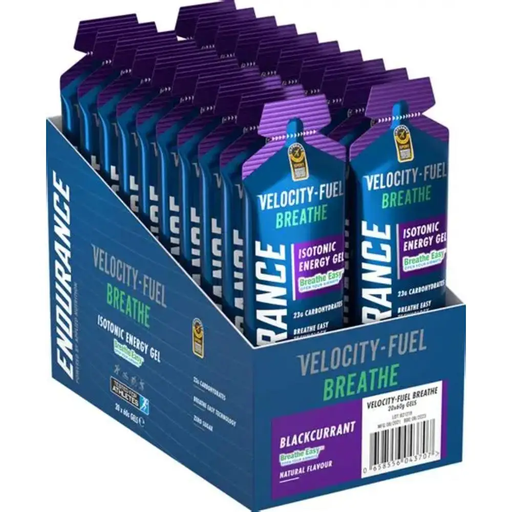
Why This Fits Their Persona: Designed for runners, cyclists and endurance athletes who need measured carbohydrate intake during prolonged exercise.
The sachet provides a stated 23g of carbohydrate per serving, avoiding vague energy claims based only on flavour or packaging.
20 x 60g sachets; isotonic formulation; 23.1g carbohydrate and 95 kcal per listed serving; labelled for endurance use.
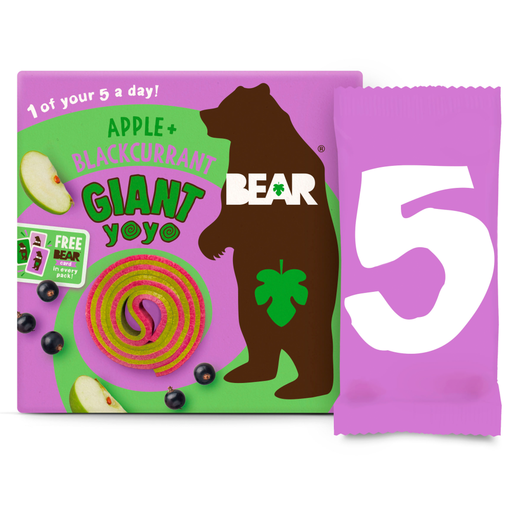
Why This Fits Their Persona: Individually wrapped portions are convenient for school bags, day trips and family outings where chilled storage is unavailable.
The pack states no added sugar, while the nutrition panel shows the naturally occurring sugars and portion size.
Five 20g portions; apple, pear and blackcurrant ingredients; listed as vegan-friendly, gluten-free and nut-free.
We have compiled a complete, real-time list of products that fully satisfy these strict selection criteria and UK safety regulations.
It depends on the product. Check age guidance, sweeteners, serving instructions and packaging warnings. Some small bottles carry a 36-month advisory because of cap-related choking risks. Squash should always be diluted, and toddlers may require additional water according to the label.
Shelf life varies. Concentrates commonly need refrigeration after opening and should be consumed within the period stated on the bottle. Ready-to-drink products may need using within a few days, while unopened dried fruit snacks can usually be stored in a cool, dry cupboard until their best-before date. Always follow the current packaging.
No. Energy gels and blackcurrant carbohydrate powder are intended for structured exercise nutrition. Follow the serving instructions and age restrictions, and do not use them as a substitute for ordinary meals or a varied diet. Anyone with a medical condition, taking medication or unsure about supplementation should seek appropriate healthcare advice before use.