
24/7 Customer Support

Free returns

Same-day & Next-day Delivery

Quality Guaranteed

Unlock Your Welcome Offers: FREE Delivery | Up to 80% OFF | Free 30-day JoyPlus trial
Download the APP
Blackheads can be difficult to manage because they are not simply surface dirt. They form when oil and dead skin collect inside a pore and darken after exposure to air. The right blackhead remover can support a consistent pore-cleansing routine, but choosing the wrong format may lead to dryness, irritation or disappointing results.
Before comparing products, watch for these common issues:
Confusing instant removal with long-term pore care
Pore strips and extraction tools may lift visible debris temporarily, but they do not necessarily address the factors that contribute to recurring congestion. A salicylic acid face scrub, liquid exfoliant or cleanser may be more suitable for regular maintenance.
Assuming stronger exfoliation is always more effective
Combining a blackhead scrub, acid peel, exfoliating pads and a suction device can place too much stress on the skin. Over-exfoliation may cause tightness, flaking and redness, particularly for sensitive or acne-prone skincare routines.
Overlooking usage restrictions and ingredients
Some pore strips are intended only for the nose, while electric blackhead extractors should not be used on broken, inflamed or highly sensitive skin. Check the full ingredient list and product warnings rather than relying only on phrases such as “deep cleansing”.
Different products suit different concerns:
A product containing salicylic acid may be useful for oily or congested skin, but the concentration and format matter. For example, a 2% salicylic acid scrub is a more clearly specified option than a product that simply promises “pore detox”.
AHA and PHA products work differently. Glycolic and lactic acids are commonly used to improve the appearance of rough surface texture, while PHA formulas are often chosen by people seeking a milder exfoliating step. Do not introduce several acid products at once. Patch test first and apply sunscreen during the day, as exfoliating products can increase sensitivity to sunlight.
For an electric pore cleanser, check the suction range, number of probes, charging method and automatic shut-off. A device with multiple levels allows you to begin more cautiously than a fixed-strength model.
For creams, scrubs and peels, check whether the formula contains fragrance, essential oils or physical particles if your skin is reactive. Always follow the packaging instructions, avoid the eye area and stop using a product if persistent discomfort occurs.
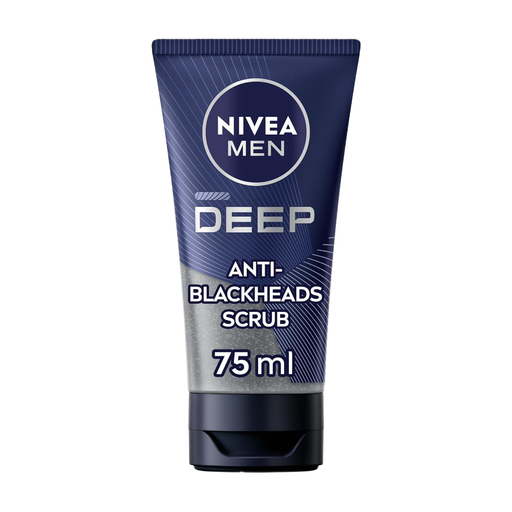
Why This Fits Their Persona: A straightforward wash-off option for shoppers starting a basic pore cleanser routine without adding a specialist device.
Its directions specify wet-skin application and gentle massage, helping users avoid aggressive scraping or unsuitable extraction.
Contains black carbon and cellulose exfoliators; 75ml format is practical for regular face-washing routines.
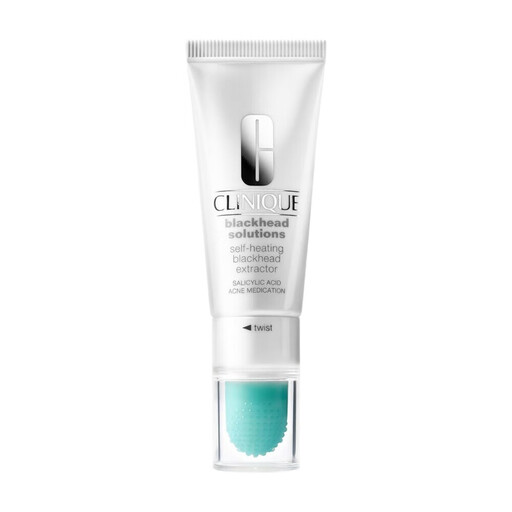
Why This Fits Their Persona: Suits shoppers who prefer a targeted, warming treatment for the nose, chin and forehead rather than a full-face scrub.
It is a rinse-off balm with a built-in applicator, so the instructions do not require forceful manual squeezing of pores.
Self-heating formula; includes salicylic acid and a 20ml targeted-treatment format.
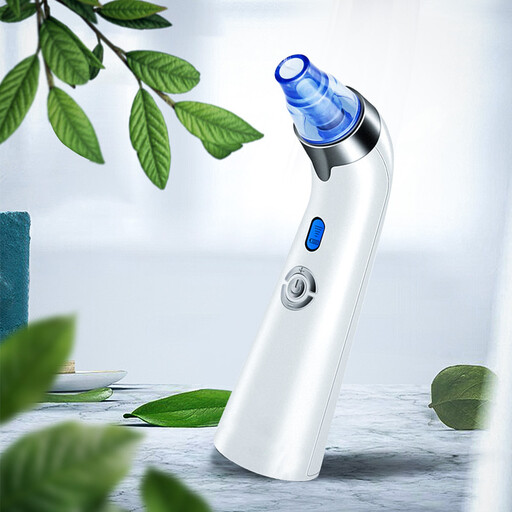
Why This Fits Their Persona: Appropriate for users who specifically want adjustable mechanical suction for occasional at-home facial treatments.
Five suction levels and a 10-minute auto-shut-off provide more control than a fixed-strength tool, although careful movement remains essential.
Four replaceable probes; USB rechargeable 500mAh battery and LED display.
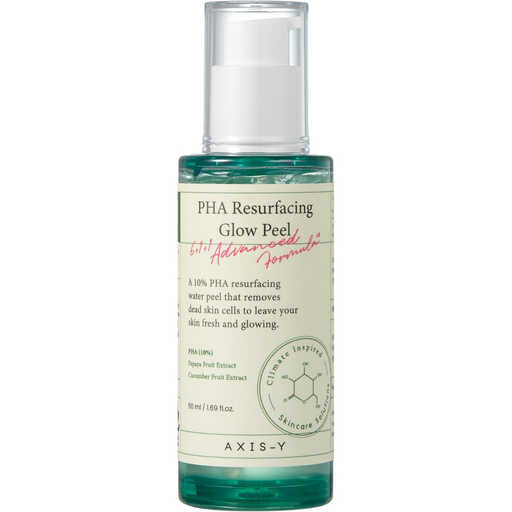
Why This Fits Their Persona: A periodic peel format for people who want to address dull, rough or congested texture without using a physical blackhead extractor.
Its gel-water PHA format is used for a set period and rinsed away, making the routine easier to control than frequent scrubbing.
Contains 10% gluconolactone; instructions specify a 10–15-minute application followed by rinsing.
We have compiled a complete, real-time list of products that fully satisfy these strict selection criteria and UK safety regulations.
Start with clean skin and introduce one exfoliating product at a time. Avoid squeezing blackheads with fingernails, as this can cause unnecessary irritation. If using a suction tool, begin at the lowest setting, keep it moving and do not hold it in one place for more than three seconds.
Do not use pore strips on active blemishes, damaged skin or areas that are excessively dry. With acids or scrubs, reduce frequency if you notice persistent dryness or stinging. A simple cleanser, moisturiser and daytime SPF can be a more practical foundation than repeatedly adding new treatments.
It depends on the format and the product instructions. A pore strip may be limited to once every three days, while a scrub may be labelled for daily use. Start less frequently if you have sensitive or acne-prone skin, and avoid using several exfoliating products on the same day.
They work differently. Pore strips offer a quick, visible lift from suitable areas such as the nose. An extractor provides adjustable suction but requires careful technique and hygiene. Neither should be used on inflamed, broken or irritated skin.
Cost depends on whether you are buying a wash-off cleanser, a targeted peel or a rechargeable device. For many users, a consistent pore cleanser or salicylic acid face scrub is a sensible starting point. Consider a device only if its adjustable settings, probes and cleaning requirements match your routine.