
24/7 Customer Support

Free returns

Same-day & Next-day Delivery

Quality Guaranteed

Unlock Your Welcome Offers: FREE Delivery | Up to 80% OFF | Free 30-day JoyPlus trial
Download the APP
Breakouts, clogged pores, excess shine and post-blemish marks rarely need a shelf crowded with competing formulas. The challenge is matching the product to your skin type, routine and tolerance level. The right blemish-prone skincare products should address a specific concern without leaving your skin feeling persistently tight, irritated or overloaded.
A high concentration of acids or several exfoliating products may sound appealing, but combining salicylic acid, AHA, PHA and retinoid products too quickly can make a routine difficult to tolerate. Dryness and sensitivity may then be mistaken for a need to use even more treatment.
Introduce one exfoliating product at a time. If your skin is reactive, consider gentler PHA skincare or use an exfoliant less frequently than the product label’s maximum recommendation.
Salicylic acid skincare is commonly selected for oily skin, blocked pores and blemishes. However, a flat brown or red mark left after a breakout is a different concern from a new spot. Brightening serums and dark spot treatments may be more relevant for uneven tone, while a gentle moisturiser can help support a compromised skin barrier.
Terms such as “poreless”, “detoxifying” or “miracle” do not explain how a product works. Check the ingredient list, concentration where provided, intended skin type, usage instructions and warnings. For devices such as an LED face mask, wavelength, treatment duration, eye protection and contraindications matter more than promotional wording.
Do not layer several exfoliating formulas immediately. Patch testing is sensible, particularly for sensitive skin skincare routines.
A product may contain an appealing active but still be unsuitable for your preferences. Look for details such as fragrance, essential oils, alcohol denat., moisturising ingredients and the product texture. Lightweight gels may suit people who dislike a heavy finish, while barrier-supporting ingredients such as panthenol, glycerin, hyaluronic acid and ceramides can be useful when skin feels dry or uncomfortable.
If you have persistent, painful or widespread acne, cosmetic products may not be enough. Consider speaking with a pharmacist, GP or qualified healthcare professional.
For daily products, choose packaging and instructions you can follow consistently. Pads should be sealed properly to prevent drying out, while two-phase serums need shaking before use. With an LED face mask, verify the stated wavelengths, automatic shut-off, charging instructions and eye-protection design. The LUSTRE mask, for example, specifies 465nm blue light, 640nm red light and 10-minute sessions.
Follow all warnings. Do not use an LED device on broken or severely irritated skin, and seek healthcare advice before use if you have a relevant medical condition, photosensitivity disorder or use prescription medication. Daytime sunscreen is particularly important when using exfoliating skincare or brightening products.
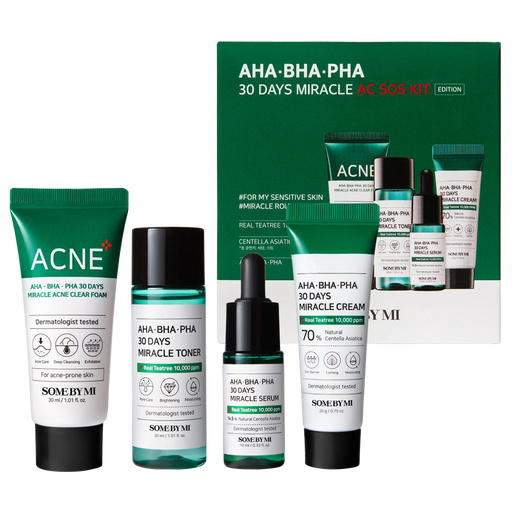
Why This Fits Their Persona: A mini four-step format lets new users trial cleansing, toning, serum and moisturising products without immediately buying full-size bottles.
The fixed routine reduces the temptation to combine unrelated acids. Start gradually if your skin is acid-sensitive rather than automatically using every step twice daily.
Includes AHA, BHA and PHA products in travel-sized packaging, with centella, panthenol and hyaluronic acid listed in the range.
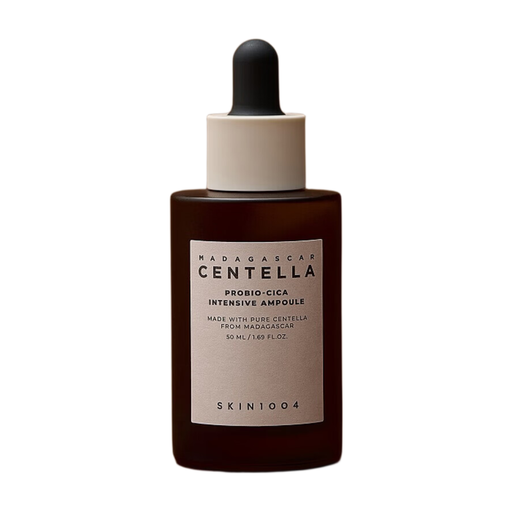
Why This Fits Their Persona: Suits shoppers prioritising a cushioning, barrier-focused serum to balance a routine that already contains blemish treatments.
It is not marketed as another exfoliating step, helping avoid the mistake of adding multiple pore-clearing acids to an already active routine.
Lists fermented centella, panthenol, allantoin, hyaluronic acid and ceramide NP; the ampoule has a milky liquid texture.
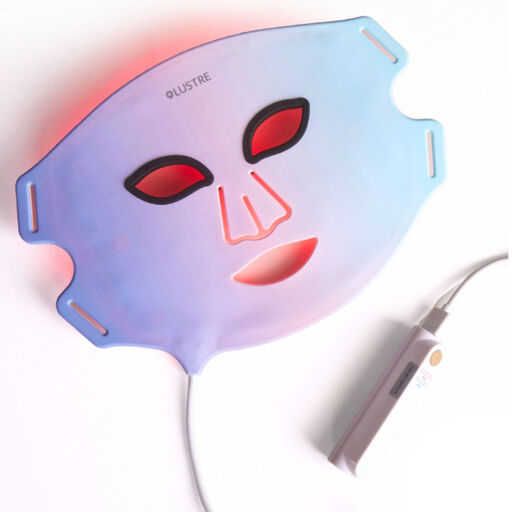
Why This Fits Their Persona: A practical option for adults who want a short at-home device session alongside, rather than instead of, their regular skincare routine.
Its listed wavelengths, 10-minute automatic shut-off, adjustable straps and built-in eye protection are clearer buying criteria than vague “professional” claims.
Rechargeable, cordless and flexible silicone, with separate red and blue modes plus a combined mode.
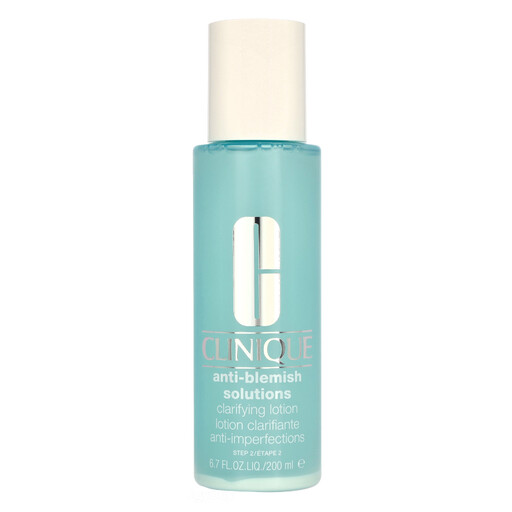
Why This Fits Their Persona: Designed for shoppers specifically comparing acne skincare products with an oil-control and pore-clearing focus.
The product specifies salicylic acid and oil-absorbing powders, so the selection is based on identifiable features rather than a general pore-minimising promise.
The listed formula contains 1.5% salicylic acid, silica and glycerin; the bottle size is 200ml.
We have compiled a complete, real-time list of products that fully satisfy these strict selection criteria and UK safety regulations.
Start with a gentle cleanser, one targeted treatment, a non-comedogenic moisturiser and daytime sunscreen. Add only one new active at a time and use it according to the label. A soothing ampoule can be more useful than another exfoliant if your skin becomes tight or flaky.
Shelf life varies by formula, packaging and opening frequency. Follow the period-after-opening symbol and storage guidance on the packaging. Close pads and serums securely, keep products away from heat and direct sunlight, and do not continue using a product that has changed smell, colour or texture.
Not necessarily. Cost depends on how much product you use, how often it is applied and whether a treatment replaces or duplicates another step. A targeted serum or reusable device may reduce product overlap, while a large-format cleanser or shower gel may offer more applications per bottle. Compare the routine cost per month rather than the price of one item alone.