People making a bowl to share
If several housemates will eat the dip, vessel size matters alongside controls that let you stop before the aubergine becomes completely smooth.


For one or two portions of cooled dip, a compact cup or bowl blender may be enough. For a bowl to share, consider a larger jug with pulse or variable-speed control so you can stop at the texture you want; a hand blender is another option if you have a suitable vessel. Blend freshly roasted aubergine only if the exact appliance instructions permit hot food and explain how to handle it. Otherwise, let the ingredients cool first.
If several housemates will eat the dip, vessel size matters alongside controls that let you stop before the aubergine becomes completely smooth.
If you want to process ingredients while they are still hot, look for instructions that explicitly permit it, including any venting method and hot-fill limit.
If you usually prepare dip for one or two people and have limited storage space, a compact cup or bowl may suit you better than a large jug.
Start with the amount of dip you normally make, then decide whether blending while hot, cleaning between users or compact storage is your main constraint. A hand blender also needs a suitable vessel: the size of an included beaker does not establish how much dip you can prepare in a different container.
| Concern | What to check | Who this matters to |
|---|---|---|
| Batch size and texture | Compare vessel capacities and look for pulse or variable-speed controls if you want to stop at a coarser texture. | When I make dip for several housemates, I want room for a shared batch without losing control of the finish. Around 33% of consumers put batch size and texture first. |
| Hot ingredients | Check the exact model’s hot-food instructions, venting method and hot-fill limit; do not use full jug capacity as the hot-fill limit. | If I blend soon after roasting, I need to know how the appliance handles hot food rather than assume any closed vessel will do. Roughly 20% of consumers make safe hot-ingredient handling their primary concern. |
| Cleaning between users | Check the instructions for cleaning blades, lids and removable parts, and whether there is space to dry them. | When other people need the kitchen next, I want a blender I can clean and put away promptly. Around 20% of consumers prioritise that handover. |
| Small portions and storage | Compare the included cup or bowl size with your usual portion and the space available to store it. | If I usually make cooled dip for myself or one other person, I would rather store a smaller vessel than keep a large jug for occasional use. For about 27% of consumers, compact preparation comes first. |
A jug’s stated capacity may exceed the amount permitted for hot contents. KitchenAid UK specifies a 1.1 L hot-liquid maximum for its 2 L Pure Power 5KSB2073.
Before blending recently roasted ingredients, follow the exact model’s instructions for hot food, venting and fill level. If hot-food use is not permitted, cool the ingredients first.
Making dip for several people in a compact cup or bowl can mean blending in separate runs. Ninja Kitchen UK lists a 400 ml bowl and 700 ml cup for the CB100UK; the cited KitchenAid and Vitamix jug models have 2 L containers.
Choose by the batch you actually serve, not by motor power alone, and check the usable capacity for the ingredients you plan to blend.
A shared home kitchen and a kitchen operated as a food business are different settings. Vitamix UK says its E320 is intended for household use and that commercial use invalidates the warranty.
If the kitchen serves a business, check the exact appliance’s permitted use and warranty terms before purchase. GOV.UK also says food businesses must regularly clean utensils and cooking equipment.
Commercial use could leave the Vitamix E320 outside its manufacturer’s warranty cover.
The CB100UK illustrates a compact bowl-and-cup format for smaller portions of cooled dip.
The Pure Power 5KSB2073 is a larger-jug example with pulse and speed controls, plus instructions for hot liquids.
The E320 is a larger-jug household model for people preparing bigger batches and adjusting blending speed.
These hand blenders and one jug blender offer different starting points for making dip. Compare the included vessels and controls with your usual batch, and check each model’s instructions before processing hot aubergine.
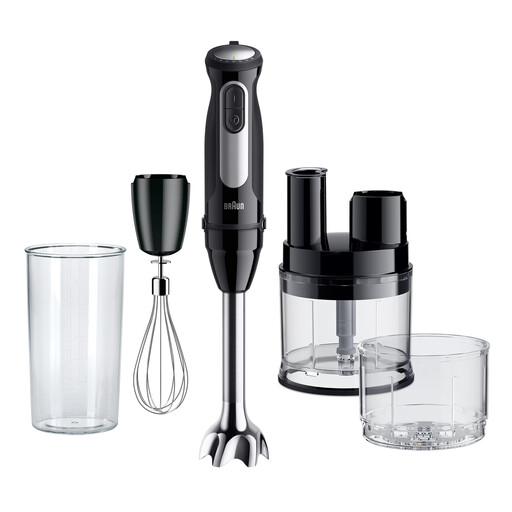 No image available
Consider this hand blender if you want to adjust the blend while preparing dip in a suitable container.
 No image available
This hand-blender format is worth considering for smaller dip preparations when you want separate blending and chopping attachments.
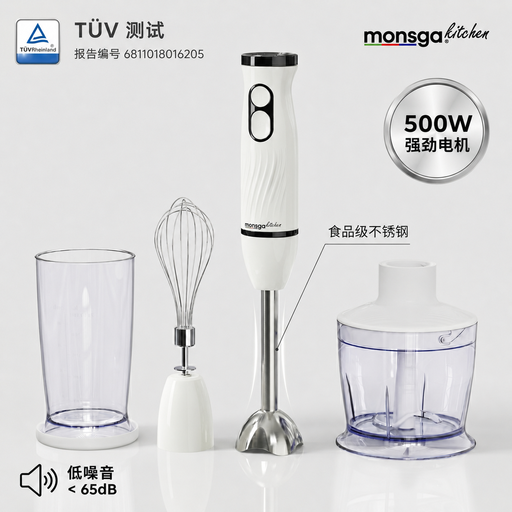 No image available
Consider this stick blender if you prefer to prepare dip in a separate vessel and need an included whisk.
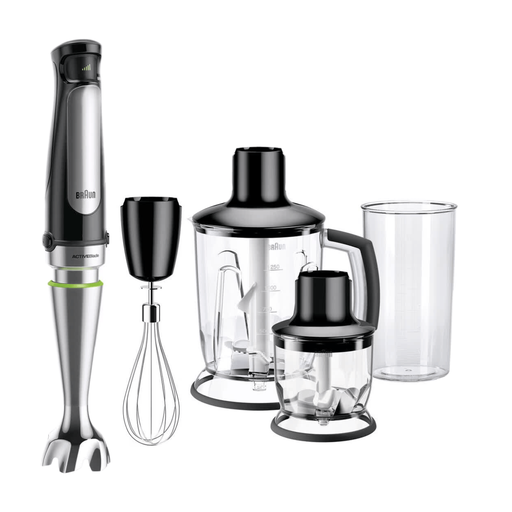 No image available
This hand blender may suit someone who wants to adjust blending speed as they work towards their preferred dip texture.
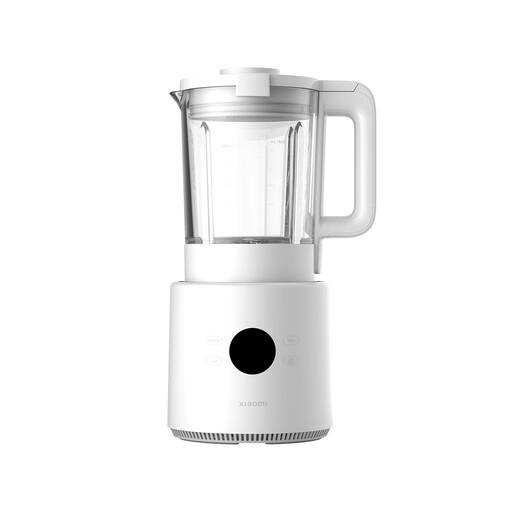 No image available
Consider this jug blender if you prefer blending in a jug rather than using a handheld shaft.
Only if the exact blender’s instructions permit hot food and you follow its handling and fill limits. KitchenAid UK advises using a vented lid and starting hot liquids on low speed or pulse; its Pure Power 5KSB2073 has a 1.1 L hot-liquid maximum. Otherwise, let the ingredients cool before blending.
A personal blender can work for small, cooled portions, but a shared bowl may take several runs. Ninja Kitchen UK lists a 400 ml bowl and 700 ml cup for the CB100UK; compare those sizes with the amount you normally serve before choosing a compact format.
Choose a model whose blades, lids and food-contact parts your household can clean promptly according to its instructions. If the kitchen operates as a food business, GOV.UK says utensils and cooking equipment must be cleaned regularly; ordinary domestic sharing should not be mistaken for commercial use.
Check the exact model’s permitted use and warranty before buying it for a business kitchen. Vitamix UK says its E320 is intended for household use and that commercial use invalidates the warranty; a domestic flatshare alone does not establish commercial use.