Large-batch dip makers
If you make dip for several meals, guests or freezer portions, usable blending capacity matters more than the size printed on the jug. Compare your usual recipe yield with the appliance’s stated working capacity.


Choose a multi-serve jug blender if you want to blend several portions of roasted aubergine dip in one run, and compare working capacity rather than jug size alone. If you want to stop at a coarse texture, look for adjustable speed or pulse controls; a food processor and blender combination makes more sense when chopping and other prep tasks will also see regular use. Check the space and cleaning demands of whichever format you choose.
If you make dip for several meals, guests or freezer portions, usable blending capacity matters more than the size printed on the jug. Compare your usual recipe yield with the appliance’s stated working capacity.
If you sometimes want a smooth dip and sometimes prefer visible pieces of aubergine, adjustable speed and pulse controls let you decide when to stop blending. Vitamix UK lists both types of control for its E310.
If dip is only one part of your preparation routine, a combination appliance may also handle chopping, slicing or grating. Check its liquid working capacity separately from its food-processor bowl size.
Start with the amount of dip you normally make and the texture you want. Then decide whether easier cleaning or additional food-preparation functions justify the space taken by the appliance and its attachments.
| Concern | What to check | Who this matters to |
|---|---|---|
| Batch capacity | Compare your usual recipe yield with working capacity, not just total jug volume. Check the assembled height against your storage space. | If I make dip for several meals at once, I want to avoid dividing it between blending runs. Around 34% of consumers put batch capacity first. |
| Texture control | Look for adjustable speeds and pulse control if you want to stop at a rustic texture; check the model’s instructions for thick mixtures. | When I want pieces of aubergine left in the dip, I need to control how far it blends. Texture is the primary concern for around 33% of consumers. |
| Cleaning and handling | Check which parts can go in the dishwasher or how the model’s cleaning programme works. Plan how you will cool and store finished portions. | Making dip regularly means I need a washing and storage routine I can keep up with. Around 20% of consumers focus chiefly on that practical workload. |
| Other prep tasks | Compare the included chopping, slicing or grating tools with tasks you actually do, and check the blender’s liquid capacity separately. | If I also prepare vegetables and other meal components, I want the extra tools to earn their storage space. Wider prep functions come first for around 13% of consumers. |
Total jug volume can exceed the amount you can blend in one run. Magimix UK, for example, specifies a 2.5L jug but a 1.8L working capacity for the Blender Power 4.
Compare working capacity with your finished recipe volume, and measure the space available for the assembled machine.
Hot-food suitability depends on the exact jug, lid and model. Magimix UK describes the Blender Power 4 glass jug as suitable for hot foods, but that does not establish the instructions for another blender.
Read your model’s manual for temperature, filling and lid guidance before blending warm roasted aubergine. If the instructions are unclear, let the ingredients cool and ask the manufacturer.
A combination appliance can handle more prep jobs, but its tools also need storage and washing. Its liquid working capacity may be different from its bowl volume.
Choose additional functions for tasks you do regularly; otherwise, give more weight to the jug, controls and cleaning routine you need for dip.
Blender capacity does not determine how prepared dip should be cooled or stored. Have suitable portion containers ready before you start a large batch.
Cool and store the finished food promptly, and follow storage guidance appropriate to your ingredients and recipe. NHS advice for batch-prepared baby food recommends cooling it ideally within 1 to 2 hours before refrigerating or freezing; its refrigerated storage period is specific to that guidance, not a stated shelf life for aubergine dip.
The Blender Power 4 is worth comparing if making several portions in one run is your main concern.
The E310 suits consideration when manual texture adjustment matters and your batches fit its container.
The MultiPro Compact FDP31.170GY combines blending with other food-preparation tasks.
Ninja offers multi-serve blender and combination formats to compare if you also want other preparation functions.
These jug blenders and a food processor–blender combination are options to compare for batch-cooked dip. Their stated jug sizes should not be treated as usable working capacities: check each model’s fill guidance against your recipe before choosing.
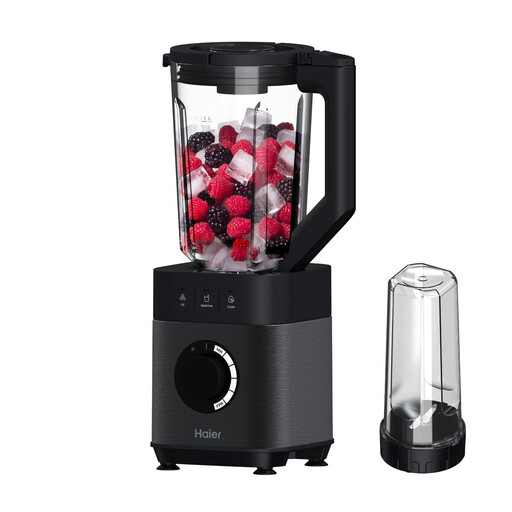 No image available
Consider this jug format if you make several portions and want to adjust blending as the dip changes texture. The product name specifies a 1.7L glass jug, 0.6L Tritan cup and 1200W motor; compare the jug’s usable fill limit with your batch size.
For warm ingredients, follow this model’s instructions, including its stated 80°C maximum and pressure-release precautions. Check the assembled dimensions against your storage space.
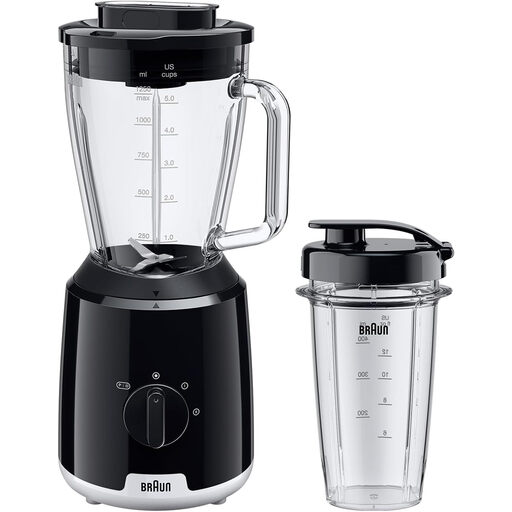
 No image available
Consider the combination format if chopping or slicing is a regular part of your meal prep as well as blending dip. The product name specifies a 2L bowl, 1.8L blender jug and 750W rating; check the jug’s usable fill limit rather than treating 1.8L as a working capacity.
Check the exact hot-ingredient instructions and assembled storage dimensions before choosing it for your routine.
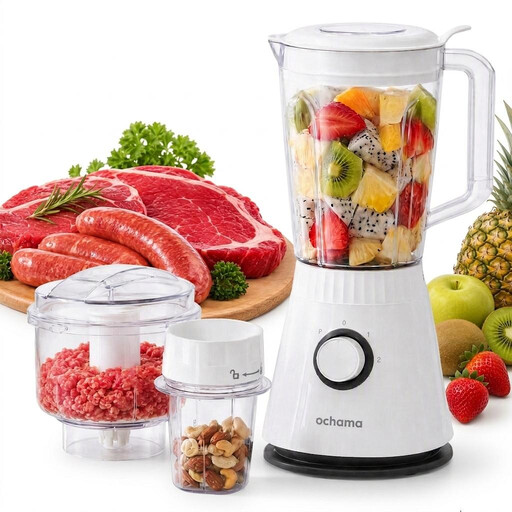
 No image available
This jug blender is an option when your recipe fits its usable fill limit. Its product name specifies a 1.5L glass jug, two speeds, a smoothie-to-go bottle and a 600W rating; the jug figure alone does not establish how much dip you can blend at once.
Check the manual’s hot-liquid limit before adding warm aubergine, along with the dimensions needed for storage.
 No image available
Consider this model if a pitcher blender with additional preparation functions fits your routine. The product name lists a 1.5L capacity and three speed settings; check the usable fill limit against the amount of dip you make.
If coarse texture, warm ingredients or dishwasher cleaning matter to you, confirm the relevant controls and instructions for this exact model before buying.
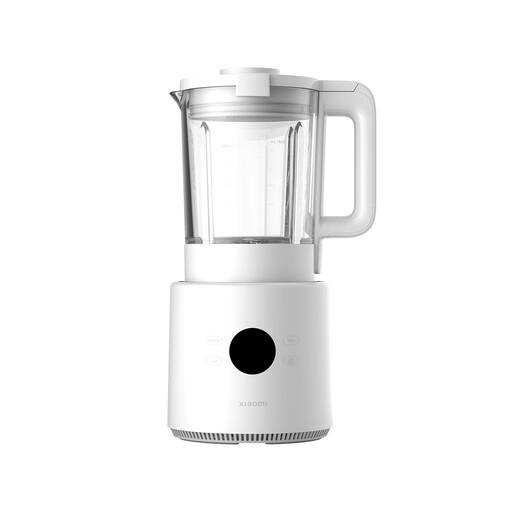 No image available
Compare this jug blender with your usual batch size and texture preference before choosing it for aubergine dip. Check the usable volume and whether its controls let you stop at the finish you want.
Its listed standard EU power cord requires particular attention for UK use: confirm that a suitable adapter is available and appropriate. Check the assembled dimensions before ordering.
Choose by the finished volume of your usual recipe and the blender’s working capacity, rather than jug size alone. Magimix UK specifies a 1.8L working capacity for its Blender Power 4, while Vitamix UK describes the E310’s 1.4L container as suited to medium batches; neither figure tells you how much your particular recipe will yield.
Only if the exact blender’s instructions permit it and you follow their temperature, fill and lid guidance. Magimix UK describes the Blender Power 4 glass jug as suitable for hot food, but that does not apply to other models; let the ingredients cool if you cannot establish the instructions for yours.
A jug blender is the more focused choice when blending capacity and texture control drive the purchase; consider a combination appliance if you will also use its chopping, slicing or grating tools regularly. Kenwood GB lists those functions for its MultiPro Compact FDP31.170GY, alongside a 1.2L liquid working capacity that you should compare with your batch size.
Plan the cooling and storage before making a large batch, and follow guidance appropriate to your recipe and ingredients. NHS guidance for batch-prepared baby food advises cooling it ideally within 1 to 2 hours before refrigerating or freezing; its storage period should not be assumed to be a dip-specific shelf life.