
24/7 Customer Support

Free returns

Same-day & Next-day Delivery

Quality Guaranteed

Unlock Your Welcome Offers: FREE Delivery | Up to 80% OFF | Free 30-day JoyPlus trial
Download the APP
A blender can look like a straightforward purchase until you compare motor ratings, cup sizes, blade systems and cleaning instructions. Many UK shoppers buy a model based on wattage or attractive accessories, only to find that it is unsuitable for their routine.
The most common pitfalls are usually practical rather than technical:
A personal blender with a 475ml to 700ml vessel suits one smoothie, protein shake or small sauce. It is convenient for commuters, students and gym users, particularly when the cup has a drinking lid.
For several portions, look at a jug blender or family-sized blender. Capacities around 1.5L to 1.75L are more suitable for households, batch preparation, soups and sauces. Remember that the usable capacity may be lower than the total jug volume, especially when processing hot ingredients.
A blender with travel cup can reduce washing-up, but check how many cups are included and whether the lids are leak-resistant. Tritan vessels are commonly valued for being lightweight and shatter-resistant, while glass jugs provide a more substantial feel but add weight.
Wattage indicates the motor’s electrical input, but it does not independently confirm blending speed or texture. A 300W smoothie maker may be appropriate for soft fruit, yoghurt and liquid-based shakes, while a 1,000W or 1,200W high-powered blender is more suitable for frozen fruit, nuts, ice and larger quantities.
For an ice-crushing blender, also check for a pulse or dedicated ice-crush programme. Blade layout, jug circulation and the recommended ingredient order can affect results. Do not overload a compact personal blender simply because its specification mentions frozen ingredients.
A dishwasher-safe blender can save time, but identify which components qualify. On many appliances, cups, lids and blade assemblies can go on the top rack, while the motor base must only be wiped with a damp cloth.
Hot liquids require particular care. A standard sealed personal blender may not be suitable for hot soup because pressure can build inside the vessel. If you want a hot and cold blender, select a model specifically designed for heating and follow its temperature, lid and steam-release instructions. Never assume that a heat-resistant-looking jug is suitable for direct cooking.

Why This Fits Their Persona: Its compact 300W design and two 0.6L Tritan on-the-go bottles suit first-time buyers making individual smoothies or shakes in a small UK kitchen.
The specification clearly states the 0.6L bottle capacity, one speed and pulse function, helping set realistic expectations rather than implying broad food-processing capability.
Two bottles, removable blades and dishwasher-safe parts support quick preparation and less washing-up.
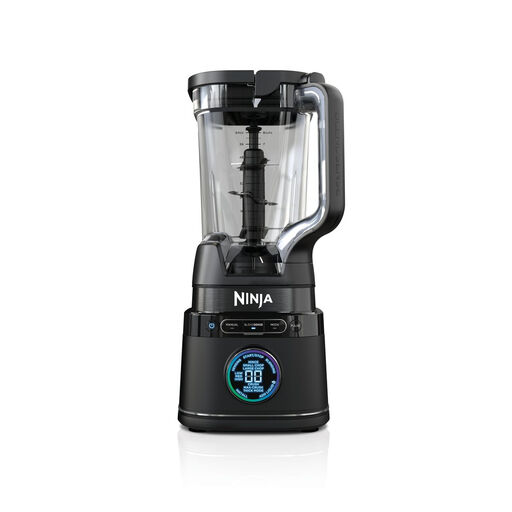
Why This Fits Their Persona: This two-in-one setup is suited to shoppers wanting a traditional jug blender and personal blender without buying separate appliances.
The included 1200W base, jug, two single-serve cups, manual modes and preset programmes make its versatility clear in measurable terms.
BlendSense settings adjust time and speed according to stated ingredient, ice and portion detection features; detachable parts are dishwasher-safe on the top rack.
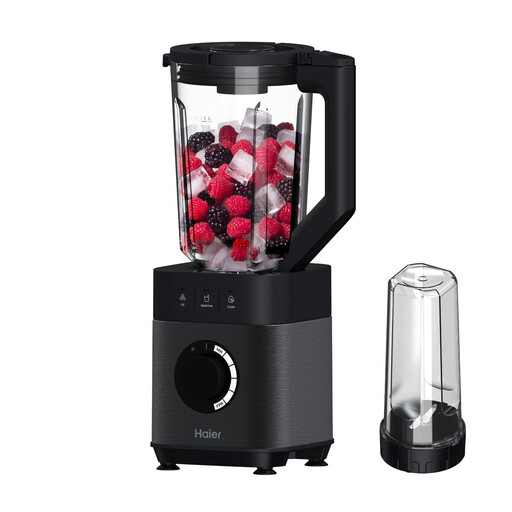
Why This Fits Their Persona: Families and home cooks can use the 1.7L glass jug for batch drinks, sauces and preparation, while the 0.6L Tritan cup covers smaller servings.
Its stated five manual speeds, pulse function and separate automatic ice-crushing programme provide more control than a single-speed smoothie maker.
The glass jug, measuring scale, safety interlock, dishwasher-safe parts and auto-clean programme support regular kitchen use.

Why This Fits Their Persona: The cordless format is designed for users who want to prepare a drink away from a kitchen socket, such as at work, in a gym bag or while travelling.
The 475ml capacity and USB-C charging design make its portable purpose clear, rather than presenting it as a replacement for a full-size food blender.
The rechargeable battery is specified for more than 15 blending cycles per charge, and the cup, lid and blade assembly are dishwasher-safe.
We have compiled a complete, real-time list of products that fully satisfy these strict selection criteria and UK safety regulations.
Running cost depends on the appliance’s power rating and how long it operates. A 300W personal blender used briefly generally consumes less electricity per session than a 1,200W model running for the same time, although blend duration and recipe density also matter. Compare wattage with your actual usage rather than selecting on motor power alone.
Only if the manufacturer specifically permits hot liquids. Many personal blenders and standard jug models are designed for cold ingredients and may build dangerous pressure when sealed hot contents are blended. A dedicated hot and cold blender with a vented lid and heating function is more appropriate for soup preparation.
Lifespan depends on frequency of use, ingredient hardness, cleaning and correct assembly. Regularly check the blade seal, jug, lid and cable for damage, avoid running the appliance empty and do not exceed the stated capacity. Dishwasher-safe components can simplify maintenance, but the manufacturer’s cleaning instructions should always take priority.