Family-batch breakfast makers
If you make one recipe for several people before school or work, compare your recipe volume with the main jug’s capacity and fill guidance so you can judge whether it needs separate batches.


For a family malted milkshake, start with a jug that accommodates your usual recipe under the model’s fill guidance; a personal cup is not a substitute for a family-sized batch. If you regularly add ice or frozen ingredients, check for a relevant blending function, then weigh the extra vessels and controls of a multifunction system against the storage and cleaning you want to manage on weekday mornings.
If you make one recipe for several people before school or work, compare your recipe volume with the main jug’s capacity and fill guidance so you can judge whether it needs separate batches.
If your shakes include ice, frozen fruit or firm ice cream, look for functions suited to those ingredients on the exact model rather than relying on its motor rating alone.
If straightforward controls and washing up matter most, consider whether you would use extra processor tools or personal cups often enough to clean and store them.
Choose the vessel for your usual batch first, then decide whether frozen-ingredient functions or additional food-prep tools would earn their place in your kitchen.
Consider it when: you want a family jug as well as separate cups and food-prep tools. SharkNinja UK lists a 2.1L jug, 1.8L processor bowl and two 700ml cups for the Ninja TB401UK.
Trade-off: the additional vessels and blades need storage and cleaning; the stated jug capacity does not replace the model’s fill guidance.
Consider it when: you want a main jug and an option for an individual drink. Sage Appliances UK lists a 2L jug and separate 700ml personal cup for the Super Q.
Trade-off: its personal cup adds another vessel to manage, and Sage’s noise-suppression feature should not be taken to mean silent operation.
Consider it when: your recipe fits a more modest jug and you prefer direct speed and pulse controls. The KitchenAid Artisan K400 has a 1.4L glass jug.
Trade-off: a recipe that exceeds the model’s permitted fill level will need to be scaled down or blended in stages.
| Concern | What to check | Who this matters to |
|---|---|---|
| Family batch size | Compare the full recipe with the main jug’s stated capacity and the model’s maximum-fill guidance; do not add a personal cup’s capacity to the jug’s. | If I am preparing one shake for several people, splitting it into batches adds work to breakfast. Around 33% of consumers put family-batch volume first. |
| Frozen-ingredient texture | For recipes using ice or frozen fruit, check the exact model’s relevant functions and, where available, independent tests of that task. | When I add ice or firm frozen ingredients, I want a blender intended for that job rather than choosing by wattage alone; around 27% of consumers prioritise this need. |
| Weekday controls | Look at the available presets, speed controls and pulse function, choosing controls you will actually use. | On a rushed morning, I would rather use familiar controls than work through functions I do not need. For around 20% of consumers, straightforward operation is the primary concern. |
| Cleaning and storage | Check which removable parts can go in the dishwasher and measure the space available for the appliance and its accessories. | If the blender stays in a shared kitchen, I need to clean food-contact parts properly and have somewhere to keep them; around 20% of consumers put cleaning and storage first. |
A 700ml personal cup cannot hold the same batch as a larger main jug, so one recipe may require repeated blending.
Work out the volume of your usual ingredients and compare it with the main jug and its permitted fill level.
A motor rating does not tell you how evenly an exact model handles your chosen ingredients. The Good Housekeeping Institute includes tasks such as ice crushing in its blender testing.
If ice or frozen ingredients are routine, check the model’s stated functions and relevant testing; a soft-ingredient shake may not call for the same features.
SharkNinja UK lists the Ninja TB401UK at 44.5cm high, while Sage Appliances UK lists the Super Q at 45.6cm. Extra cups, lids and blade assemblies also need a place to go.
Measure clearance beneath cupboards and consider which parts you would wash after a typical breakfast.
An appliance that cannot fit in a cupboard may need permanent worktop space.
Residue on shared food-contact parts matters when a household member needs to avoid an ingredient used in the blender.
Follow the model’s instructions for cleaning the jug, lid, blades and any seals before preparing that person’s drink; consider a separate setup if needed.
The Ninja TB401UK is an example for households considering a blender and food-processor system rather than a jug alone.
The Sage Super Q is a jug-blender option for households that also want a separate personal cup.
The KitchenAid Artisan K400 represents a conventional glass-jug option for a recipe that fits a more modest vessel.
These countertop blenders and the blender-and-processor option offer different ways to prepare a family shake. Compare your recipe with the relevant jug or pitcher’s fill guidance, particularly if you want to blend everything at once.
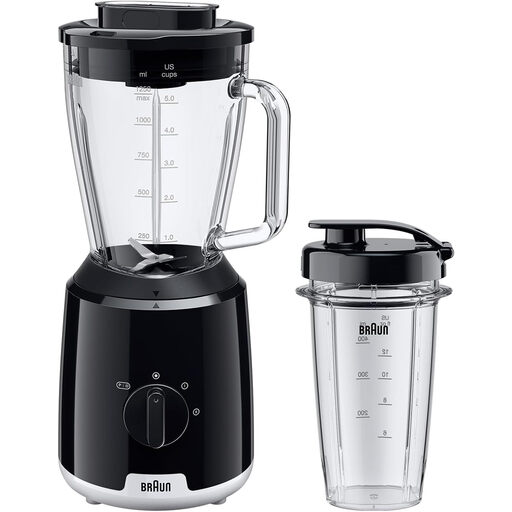 No image available
Consider this jug blender when your family recipe fits its stated 1.5L capacity; check the permitted fill level before relying on a single batch.
The product name specifies a 600W rating, two speeds and a separate Smoothie To Go bottle.
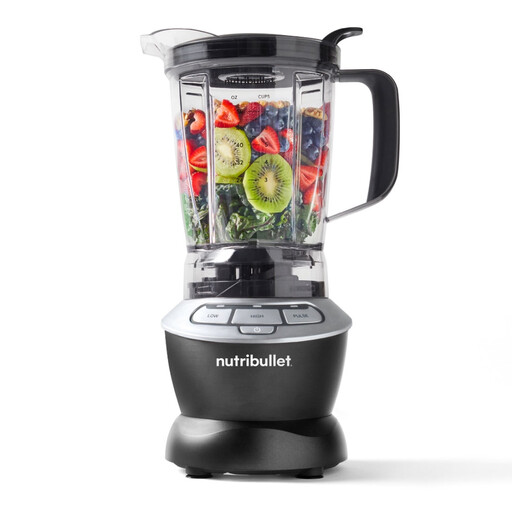 No image available
Consider its stated 1.6L vessel for a shared cold shake if your recipe falls within the model’s cold-blending fill guidance.
The product name specifies hot and cold blending and a 1000W rating.
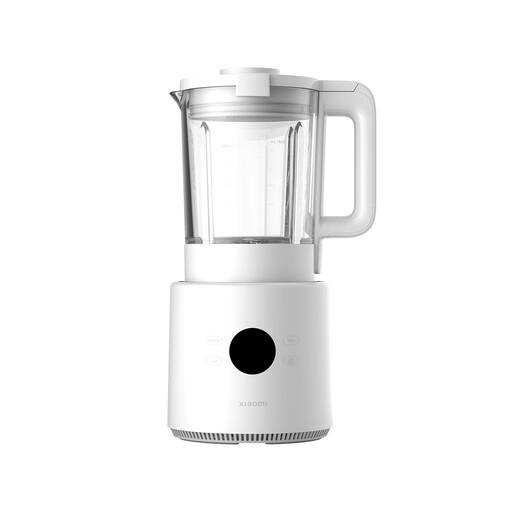 No image available
For a family cold-drink recipe, check the manual’s cold-drink fill guidance against your intended batch before choosing this model.
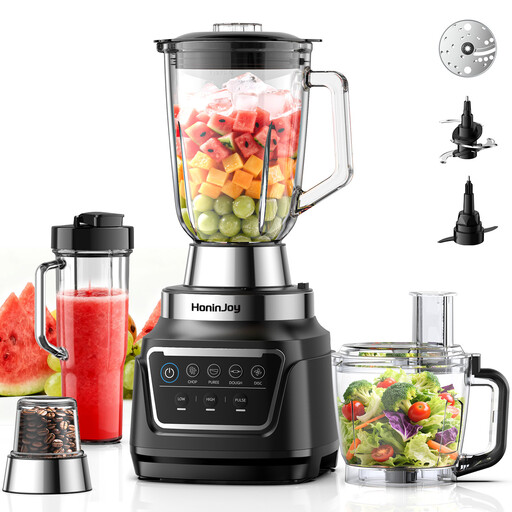 No image available
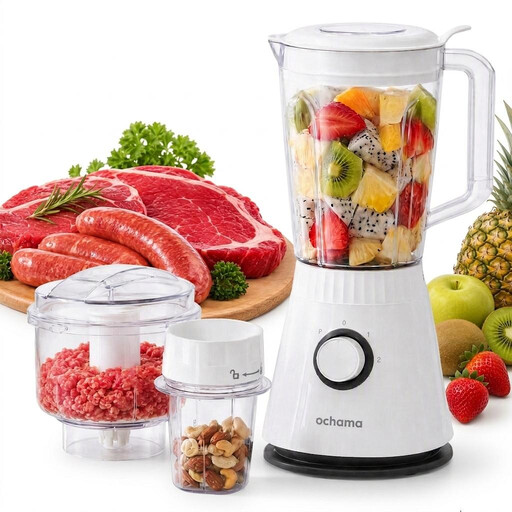
Consider this model if you would use food-processing functions as well as make shakes; allow storage and washing-up space for its separate accessories.
The product name lists ice crushing and dishwasher-safe parts. Check the pitcher’s permitted fill level against your family recipe.
 No image available
Consider this model for a recipe that fits its stated 1.5L vessel, and check its permitted fill level before planning a single family batch.
The product name lists three speed settings and ice crushing. Check the cleaning instructions for the removable parts.
Choose capacity around the total volume of your own recipe, not a claimed serving count. The models discussed here include different stated jug sizes; check the exact blender’s maximum-fill guidance because stated capacity alone does not establish how much you can blend at once.
A simple shake made with milk, malt powder and soft ice cream does not call for an ice-crush function. If you regularly add ice or frozen ingredients, check that the exact model lists a suitable function and follow its instructions for those ingredients.
Clean all food-contact parts according to the model’s instructions before preparing a drink for someone who must avoid milk. Pay attention to the jug, lid, blades and any seals rather than relying on a quick rinse; consider separate equipment where needed.
Use an appropriate electrical-waste collection route rather than normal household rubbish. Check your local authority’s collection options or ask a retailer about its applicable take-back service; GOV.UK sets out retailer and distributor responsibilities for electrical-waste take-back.