Family-batch breakfast makers
If you want to serve several people from one blend, compare working liquid capacity and the maximum-fill line. A large-sounding jug description alone will not tell you how much cooler you can prepare at once.


For a mango cooler served to several people, start with a jug blender’s usable liquid capacity, not its headline jug size. A conventional model with around 1.5 L working capacity may cover a family batch; consider more speed control if you will also make varied, thicker blends regularly. If you use ice or frozen mango, check the exact model’s instructions and maximum-fill line before choosing.
If you want to serve several people from one blend, compare working liquid capacity and the maximum-fill line. A large-sounding jug description alone will not tell you how much cooler you can prepare at once.
If your cooler includes ice or frozen mango, look for instructions covering those ingredients on the exact model. An ice-crush setting is useful to identify, but its presence does not replace the loading guidance.
If breakfast preparation needs to be quick to clear away, check which components can go in the dishwasher and how the manufacturer says to clean the rest. Electrical Safety First advises unplugging a blender before cleaning it.
Choose it when: A shared cooler is the main job and the model’s working capacity covers your intended servings. Kenwood GB specifies 1.5 L working liquid capacity for the Blend-X Fresh BLP41.A0CT.
Bear in mind: The BLP41.A0CT’s 2 L jug description is not its usable liquid capacity.
Choose it when: You regularly make other blends and want more ways to adjust texture. Vitamix UK lists a 2.0 L container, ten variable speeds, pulse and a supplied tamper for the E320.
Bear in mind: Extra controls may add little to a routine centred on one simple drink; check the E320’s fill and ingredient instructions for your recipe.
Choose it when: Individual drinks are your main use and making the occasional family cooler in separate portions is acceptable.
Bear in mind: A single-serving vessel can mean repeated batches for the breakfast table. Electrical Safety First describes personal blenders as suited to single servings.
| Concern | What to check | Who this matters to |
|---|---|---|
| One-batch capacity | Check working liquid capacity and the maximum-fill line against the amount you plan to serve. Kenwood GB lists 1.5 L working capacity for the BLP41.A0CT, despite its 2 L jug description. | If I am serving everyone at once, I want enough usable room without overfilling or starting another batch. Around 36% of consumers put one-batch capacity first. |
| Ice or frozen mango | Check the exact model’s stated ice or frozen-ingredient capability and follow its loading instructions; do not judge this from motor power alone. | When I use frozen mango or ice, I need to know that my chosen model allows those ingredients. For around 29% of consumers, that handling is the primary concern. |
| Clean-up | Identify the dishwasher-safe components and the prescribed cleaning method. Unplug the blender before cleaning, as Electrical Safety First advises. | After a weekday breakfast, I want washing up to fit the time I have available. Easy clean-up comes first for around 21% of consumers. |
| Texture control | Compare the exact model’s speeds, pulse control and supplied accessories if you also plan to make thicker blends or other recipes. | If I will use the blender beyond mango coolers, I want to adjust the blend for different recipes. That flexibility is the main priority for around 14% of consumers. |
A jug’s stated size can exceed its working liquid capacity. Kenwood GB describes the BLP41.A0CT jug as 2 L but specifies 1.5 L working liquid capacity; filling beyond the permitted level risks spills.
Plan servings using the exact model’s working-capacity figure and maximum-fill guidance.
Personal blenders suit individual portions, but preparing enough cooler for several people may take repeated cycles.
If serving everyone from one blend matters, check a jug model’s usable capacity before choosing a personal format for its smaller footprint.
A feature claim does not tell you every permitted ingredient load or establish that the plug and instructions suit your use. Electrical Safety First advises buying from a reputable retailer and checking the plug and safety information.
Confirm the model number, its ingredient instructions and its UK plug details before use; keep proof of purchase and register the appliance for safety-recall contact.
Vitamix UK states that commercial use invalidates the E320’s household warranty. That condition matters if the appliance will be used outside a home routine.
Read the warranty terms for the exact model and your intended setting before buying.
These examples illustrate different blender features to compare; the named models’ characteristics should not be applied to every product from their brands.
Kenwood GB lists the Blend-X Fresh BLP41.A0CT as a jug blender with 1.5 L working liquid capacity, 650 W power, three speeds plus pulse and an ice-crush function.
Vitamix UK lists the E320 with a 2.0 L container, ten variable speeds, pulse, a supplied tamper and a manufacturer-stated 2.2 HP motor.
Ninja offers blender options, including models that combine a jug format with individual-drink use.
These choices are relevant to a mango cooler made in a jug, with different controls or individual-drink options. Compare each model’s permitted fill and ingredient instructions with the amount your family needs.
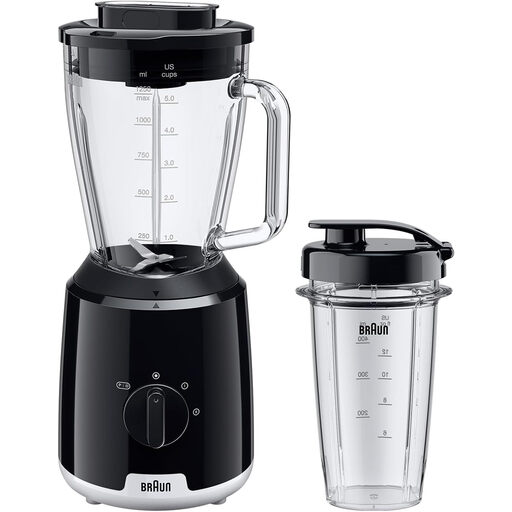 Image unavailable
Consider this jug-and-bottle combination if you make a shared cooler as well as individual drinks.
The product name specifies 600 W power and two speeds. The stated 1.5 L is jug capacity: check the working fill limit before planning a full family batch, and follow the model’s instructions for ice or frozen fruit.
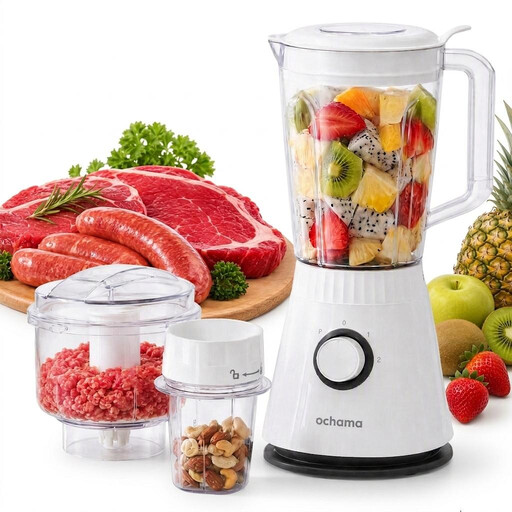 Image unavailable
Consider this format if you want a jug for the cooler and also plan to use the blender’s other named food-preparation functions.
The product name lists ice crushing, meat chopping and spice grinding. Confirm the jug’s usable fill limit and read the model-specific ice and frozen-fruit instructions before making a family batch.
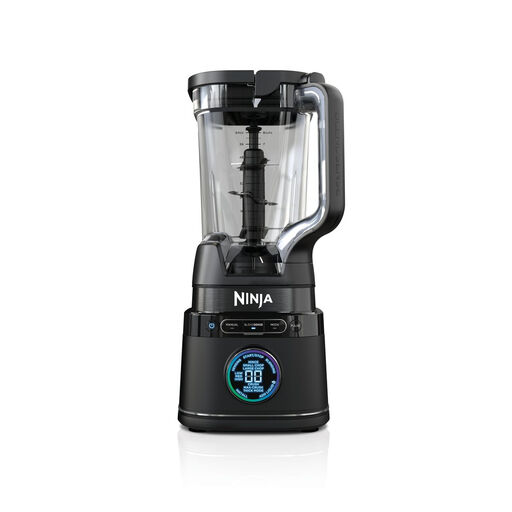 Image unavailable
Consider this model if your household wants to make both a shared cooler and individual drinks.
Check the jug’s capacity and maximum-fill line before counting on one batch for everyone. Follow the TB301UK instructions for ice and frozen fruit rather than assuming the same loading limits apply to every vessel.
Choose by working liquid capacity and maximum fill, measured against the servings you intend to make, rather than by jug size alone. Kenwood GB describes the BLP41.A0CT with a 2 L jug but specifies 1.5 L working liquid capacity; account for your ingredients and the model’s fill guidance when planning a batch.
No category-wide assumption is safe: check the exact model’s permitted ingredients and loading instructions. Kenwood GB lists an ice-crush function for the BLP41.A0CT, while Vitamix describes the E320 as able to handle tough ingredients; those manufacturer statements do not establish what another model can do.
Unplug it before cleaning and follow its manufacturer’s instructions. Electrical Safety First gives the unplugging advice; check the exact model to see which parts are dishwasher-safe, and inspect the blades for damage before further use.
Check the exact appliance and its documentation for a suitable UK plug, instructions and safety features. Electrical Safety First advises buying from a reputable retailer, checking for a standard UK three-pin fused plug and registering the appliance so you can be contacted about a safety recall.