Batch-prep cold-soup makers
If you prepare several servings at once, compare usable jug capacity with your usual recipe volume rather than blending one cup repeatedly.


For several bowls of cold tomato soup, start with a full-size jug blender whose usable capacity fits your recipe and whose controls let you adjust the texture. A personal blender makes more sense if you usually prepare one portion and value a smaller cup. Check the exact model’s cleaning instructions, and do not assume a blender suitable for cold soup can also take hot ingredients.
If you prepare several servings at once, compare usable jug capacity with your usual recipe volume rather than blending one cup repeatedly.
If you want to stop at a rustic texture or keep blending towards a smoother soup, look for controls such as pulse or variable speed on the exact model.
If you normally make one portion, a personal blender cup may fit your preparation and storage needs better than a full-size jug.
Decide how many portions you make before comparing controls and cleaning instructions: a larger jug is useful only if it fits the way you prepare soup.
| Concern | What to check | Who this matters to |
|---|---|---|
| Texture control | Look for pulse or variable speed on the exact model; wattage alone cannot establish the finished texture. | If I want to choose between a rustic and smoother soup, I need a way to pause or adjust blending. Around 40% of consumers put texture control first. |
| Batch size | Compare usable jug capacity with the volume of soup you normally prepare, following the model’s fill guidance. | Making several bowls in one session means I would rather use an appropriately sized jug than repeat individual blends. Batch size comes first for around 30% of consumers. |
| Cleaning and storage | Check care instructions for the jug, lid and removable parts, including any dishwasher-rack restriction; consider where the appliance will sit. | When I have limited storage or expect pulp to collect around the lid, a manageable clean-up routine matters most. Around 30% of consumers prioritise cleaning or footprint. |
Motor wattage does not tell you the usable jug volume, available controls or how the components must be cleaned.
Choose a suitable batch size and control layout first, then compare power among models that meet those needs.
A jug’s hot-liquid limit and lid requirements are specific to that jug. KitchenAid UK, for example, sets a 1.1L maximum for hot liquid in its compatible 1.85L glass jar with a vented lid.
If you plan to blend hot roasted tomatoes, check the exact jug’s instructions and follow its stated fill limit.
Dishwasher guidance can differ between components or specify a rack position; KitchenAid UK’s blender-jar guidance, for example, specifies the top rack.
Check the care instructions for the exact model before relying on a dishwasher for clean-up.
Cold tomato soup is served without a cooking step after blending, so prepare its raw ingredients with care.
Wash tomatoes and other vegetables under running water, following the Education Authority Health Well guidance, and use clean utensils.
These model examples show how jug size, controls and care features differ; check the specifications of any model you are considering.
Bosch GB lists the MMB6174SG as a full-size jug option with a 1.5L usable volume.
Vitamix UK lists the A3500i with a 2.0-litre container for shoppers considering larger batches and more control options.
KitchenAid UK lists distinct full-size and portable formats: a 2L Pure Power jug blender and a 473ml portable model.
These choices include jug blenders to consider for preparing several portions and a personal blender to consider for smaller blends. Match each model’s stated vessel capacity and instructions to your recipe before buying.
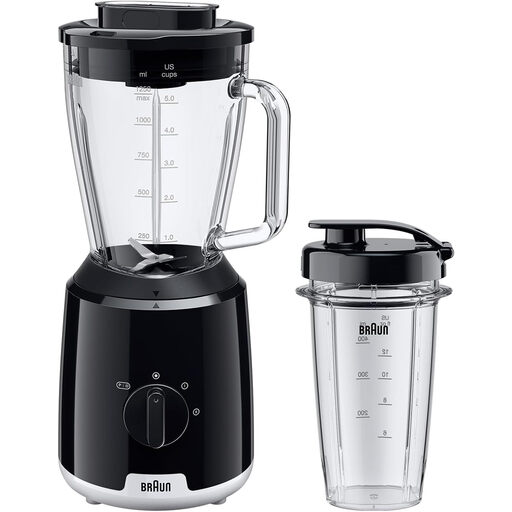 No image available
Consider its jug format when making more than one serving. The product name specifies a 1.5L glass jug, 600W motor and two speeds; check its instructions if you also intend to blend hot ingredients.
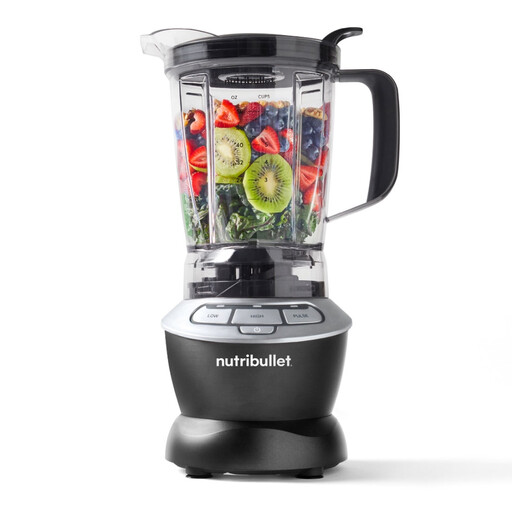 No image available
The 1.6L vessel makes this a jug-format option to compare for several servings. Its product name specifies 1000W and hot-and-cold blending; follow the exact instructions and fill limit before processing anything hot.
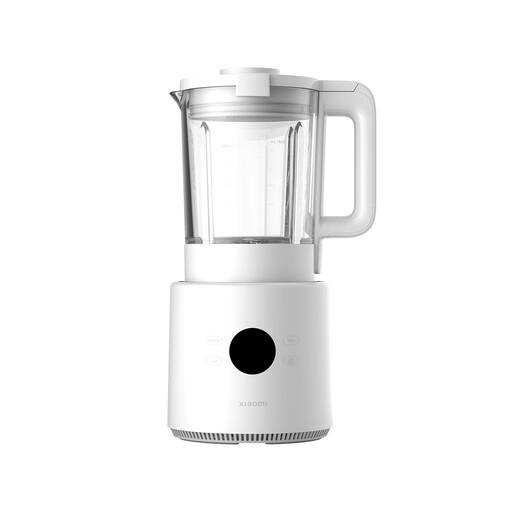 No image available
Consider this model for a cold batch if its stated cold-fill limit fits your recipe. Check that limit separately from any hot-fill guidance, and confirm how its jug and lid should be cleaned.
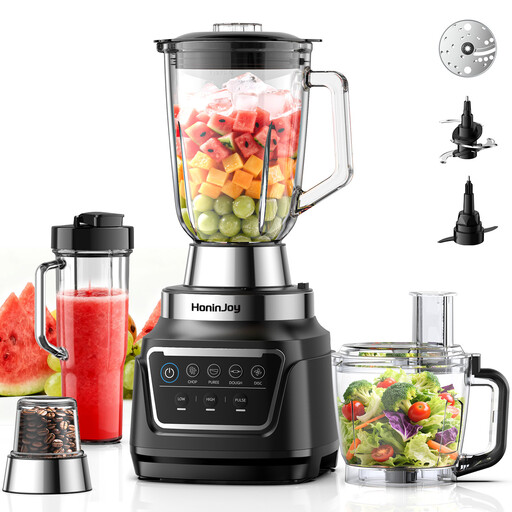 No image available
Consider the blender function if you also want a food processor. Check the blender pitcher’s capacity for your soup batch rather than treating the separate processor bowl as blending capacity.
 No image available
Its personal-blender format and stated 900ml cup are worth considering for a smaller preparation rather than a shared batch. The product name specifies 1200W; check the manufacturer’s instructions for your intended soup ingredients and use.
No heating function is needed to blend a soup you intend to serve cold. Choose jug or cup capacity around your portions, and check the available controls if you want to adjust texture.
Yes. Education Authority Health Well advises washing fruit and vegetables before eating them and washing vegetables under a running tap. Follow any preparation instructions on packaged produce too.
Keep it refrigerated and follow the ingredients’ storage instructions and use-by dates. GOV.UK advises keeping a fridge between 0°C and 5°C; for leftovers, its guidance says to eat them within 48 hours or freeze them.
Only if the exact jug’s instructions permit hot ingredients. KitchenAid UK states that its compatible 1.85L glass jar uses a vented lid and must not exceed 1.1L of hot liquid; that limit does not establish what another jug can hold.
Check the exact item’s plug, voltage and manufacturer documentation for your delivery location. Department for Business and Trade guidance lists UKCA or CE marking for electrical equipment placed on the Great Britain market; Northern Ireland has separate marking arrangements, so a Great Britain statement should not be applied to a Northern Ireland purchase.