Hosts making a shared batch
If you want to serve several frozen mochas together, a jug’s usable liquid capacity and suitability for ice matter more than the convenience of a single-serve cup.


For several frozen mochas at once, start with a full-size jug blender that explicitly permits ice crushing or frozen drinks, then check its working fill limit rather than relying on the jug’s headline size. A straightforward ice-crush model may be enough for occasional visits; cups, processor attachments and automatic programmes are worth considering only if you will use them beyond that shared batch.
If you want to serve several frozen mochas together, a jug’s usable liquid capacity and suitability for ice matter more than the convenience of a single-serve cup.
An ice-crush setting, Pulse control or an appropriate automatic programme can give you a clearer way to handle frozen ingredients. Check which parts need washing afterwards, too.
If you only make frozen drinks when friends visit, consider whether you would use personal cups, processor attachments or additional programmes often enough to store them.
Choose an ice-capable vessel first, size the batch using its working fill limit, then decide how much control and clean-up convenience you want.
| Concern | What to check | Who this matters to |
|---|---|---|
| Usable batch capacity | Compare working or maximum liquid capacity with the jug’s marked fill line; nominal size is not a serving count. | When friends are waiting for drinks, I want to make a shared batch rather than blend one cup at a time. Around 42% of consumers put batch capacity first. |
| Ice handling and clean-up | Check the exact model’s ice instructions and controls, then identify which food-contact parts can be removed or put in a dishwasher. | For an ice-based mocha, I want clear controls without a lengthy wash-up after guests leave. Around 33% of consumers primarily want easier frozen-drink preparation and clean-up. |
| Value and storage | Compare the functions and included vessels you would actually use, as well as the space needed to keep them. | If I entertain only occasionally, I would rather keep to a jug than store cups and attachments I seldom need. For around 25% of consumers, avoiding unnecessary extras is the main concern. |
Nominal volume can exceed usable liquid capacity. Kenwood GB describes the Blend-X Fresh BLP41.A0CT as a 2L blender but specifies a 1.5L working liquid capacity.
Use the exact jug’s working capacity and MAX marking when planning how much to make for guests.
A general smoothie description does not establish that the exact vessel and blades are intended for ice cubes or frozen ingredients.
Look for an explicit ice-crush or frozen-drink instruction for the model, and follow its prescribed controls and ingredient order.
Hot ingredients can be unsafe in vessels that are not designed for them. nutribullet UK warns against blending hot or warm ingredients in any magic bullet cup attachment.
Check the instructions for your exact vessel before adding warm espresso; otherwise, let the coffee cool before combining it with ice.
Vitamix UK states that commercial use invalidates the household warranty on its A3500i.
If you may use a blender for paid catering rather than drinks for friends at home, check the applicable use and warranty terms before buying.
A jug-and-attachments option if frozen drinks are one of several jobs you want the appliance to do.
A combination of a shared jug and personal cups for households that would use both formats.
A conventional jug option when ice crushing and basic texture control are more useful to you than extra cups or processor attachments.
A household blender option for buyers who would use a frozen-dessert programme and variable controls beyond occasional guest drinks.
These jug and multi-vessel blenders are relevant to preparing shared cold drinks. For a frozen mocha, confirm ice-cube instructions for the exact model and use its marked working fill limit when sizing a batch.
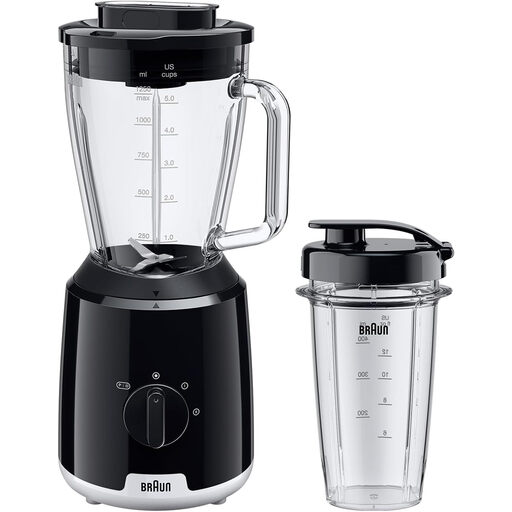 No image available
The jug format suits preparing a drink to share; check the working fill line and ice instructions before planning a frozen-mocha batch.
600W; 1.5L triangular glass jug; two speeds; Smoothie To Go bottle.
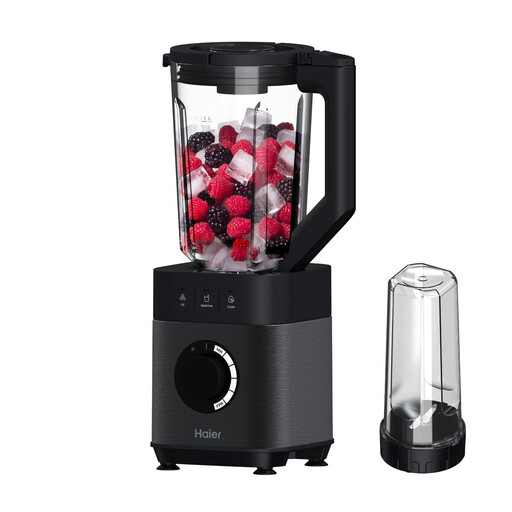 No image available
Consider the separate bottle if you also make individual drinks; confirm the jug’s working fill limit and the instructions for blending ice.
1200W motor; 1.7L glass jug; 0.6L Tritan cup.
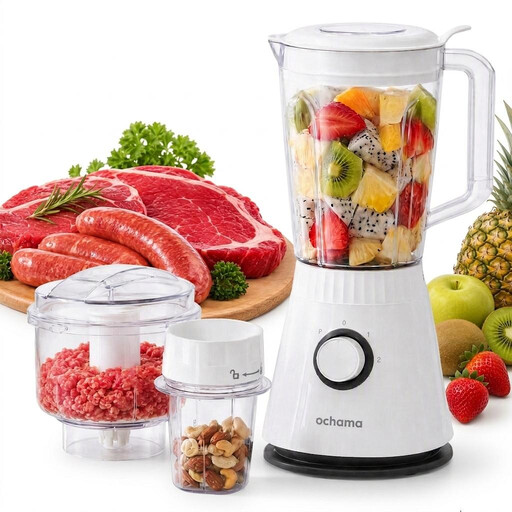 No image available
An ice-crushing jug is relevant to a frozen mocha; use the pitcher’s fill marking to decide how much to blend for guests.
600W; 1.5L capacity; three speed settings.
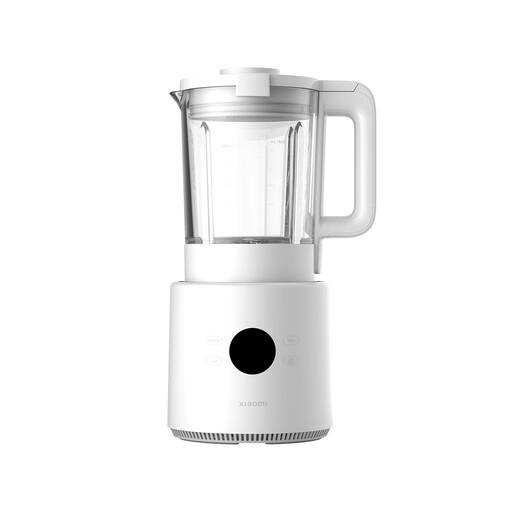 No image available
If your frozen mocha uses ice cubes, check the Xiaomi Blender Pro’s vessel and ingredient instructions before choosing it for that recipe.
 No image available
The stated ice-crusher function is relevant to frozen drinks; check the working fill limit and cleaning instructions for guest use.
1.5 L glass vessel; six blades.
No: plan around usable capacity and the portions you intend to serve, not a 2L headline figure. Kenwood GB, for example, specifies a 1.5L working liquid capacity for the Blend-X Fresh BLP41.A0CT, which is also described as a 2L blender; follow the MAX marking on whichever jug you choose.
No: wattage alone does not establish ice-crushing results. Check whether the exact model permits ice, and follow its instructions; Which? assesses ice crushing separately from blending consistency, cleaning and ease of use in its blender testing.
Only if the instructions for that exact appliance and cup permit it. nutribullet UK says never to blend hot or warm ingredients in a magic bullet cup attachment; if you cannot confirm the instructions for your vessel, let the coffee cool before adding it to a frozen mocha.
Check which components can be removed and which, if any, are dishwasher-safe. SharkNinja UK lists dishwasher-safe parts for the TB401UK, while Kenwood GB lists a removable blade unit for the BLP41.A0CT; follow the instructions for cleaning your exact model.