Shared-kitchen batch makers
If one person blends fruit for several moulds, jug capacity and the model's stated guidance for ice or frozen ingredients matter more than the convenience of a single-serving cup.


Choose a jug blender if one mixture needs to fill several ice lolly moulds; choose a personal cup if people make separate small portions and storage space matters more. A blender-and-processor combination makes sense when the kitchen will use its other preparation functions too. Whichever format you choose, check the exact model's frozen-ingredient guidance and plan how shared parts will be cleaned between users.
If one person blends fruit for several moulds, jug capacity and the model's stated guidance for ice or frozen ingredients matter more than the convenience of a single-serving cup.
When people use the same appliance for mixtures with different ingredients, accessible removable parts and an agreed cleaning and separation routine matter. Dishwasher-safe parts alone do not settle cross-contact concerns.
If each person prepares a separate mixture, a compact appliance or cup format may fit the cupboard and the task better than a large communal jug. Check its stated suitability for the ingredients you intend to blend.
Choose it when: one recipe needs to fill several moulds, or the group wants one shared purée.
Consider: a large jug needs storage space, and the exact model's minimum-fill guidance matters if you also make small portions.
Choose it when: the kitchen will use the processing attachments as well as the blending jug.
Consider: extra components need their own cleaning, drying and storage routine.
Choose it when: people make separate small mixes and cupboard space is limited.
Consider: a group mixture may take repeated cycles; do not assume a portable model handles ice or frozen fruit.
| Concern | What to check | Who this matters to |
|---|---|---|
| Batch size and frozen ingredients | Check usable jug capacity, minimum-fill guidance and whether the exact model states that it handles ice or frozen fruit. | If I fill several moulds from one mixture, I want a jug that accommodates my recipe without repeatedly blending portions. Around 33% of consumers put batch preparation first. |
| Cleaning and cross-contact | Check how removable parts are cleaned and agree a routine for drying, storage and allergen separation. | When other people use the blender for different ingredients, I need to know how residue will be removed before my turn. For around 42% of consumers, managing shared-equipment cleaning is the primary concern. |
| Storage and individual portions | Check cup volume, cupboard space and the exact model's frozen-ingredient guidance. | If I make only my own mixture, I would rather store a smaller appliance than keep a large jug for occasional use. Individual portions and storage come first for around 25% of consumers. |
A wattage figure does not tell you the usable batch size, the minimum quantity the blender can handle or whether the model is intended for ice.
Compare the exact model's capacity, frozen-ingredient instructions and included jug or cups before using wattage as a deciding factor.
Freezing a lolly mixture does not replace clean equipment and appropriate handling before it reaches the freezer.
Keep chilled ingredients appropriately cold, limit preparation time out of refrigeration and freeze the prepared mixture promptly.
A quick rinse can leave residue on removable components. Food Standards Agency MyHACCP guidance treats contamination control as important where facilities are shared.
Agree who cleans, dries and stores each part after use. Where allergen-sensitive users are involved, establish suitable separation or cleaning controls rather than relying on a dishwasher-safe description alone.
These examples show different formats within particular product lines; a brand name alone does not establish the capacity or accessories of another model.
The BN800UK is relevant when a shared kitchen wants both a batch jug and an individual cup, alongside food-processing functions.
The Blender Combo is relevant to kitchens that want a full-size jug as well as individual cups.
The Blender Power 3 Premium offers a smaller working-capacity option with individual BlendCups.
KitchenAid's UK range provides both a countertop jug format and a much smaller cordless format to assess against the way the kitchen is used.
These jug blenders and blender–processor combinations are relevant when a shared kitchen makes fruit ice lolly mixtures, with some also offering a separate cup or bottle. Choose by the batch or individual portions you actually prepare, and check the exact model's instructions for your ingredients.
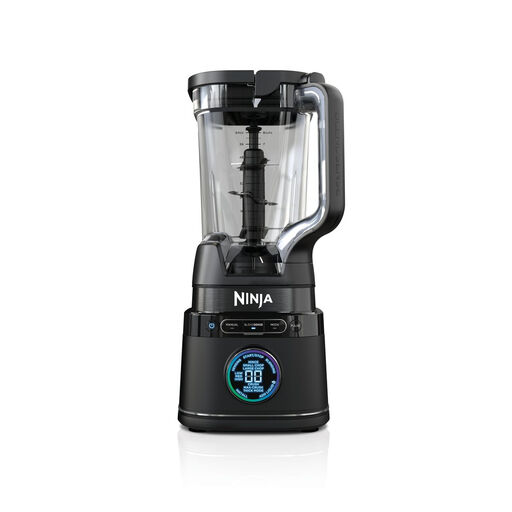 No image available
The jug-and-single-serve format is worth considering if the kitchen alternates between shared mixtures and separate portions.
Check the jug's usable capacity and minimum-fill guidance against the quantities you normally make. Shared users still need a cleaning routine appropriate to their ingredients.
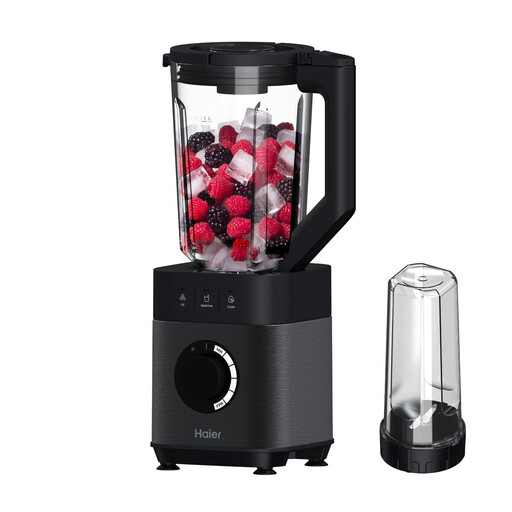 No image available
This jug-and-cup combination suits a kitchen that makes shared mixtures but also wants a separate smaller container.
The product name specifies a 1.7L jug, 0.6L Tritan cup and 1200W motor. Check minimum-fill guidance if you will also prepare small quantities.
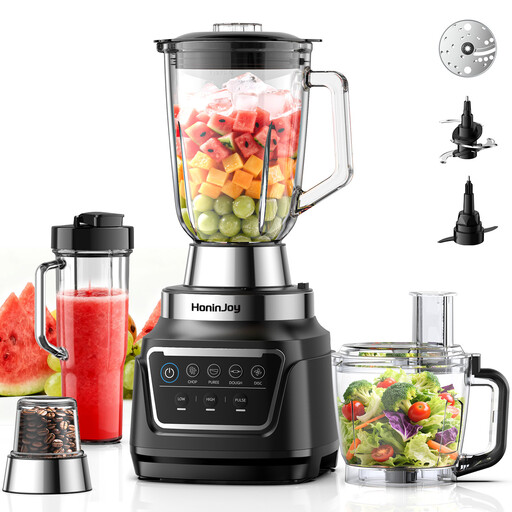 No image available
Consider this combination if the shared kitchen will use food-processing functions as well as blending fruit mixtures.
The product name lists ice crushing, chopping, grinding, slicing and shredding among its functions. Check the blending container's capacity and minimum-fill instructions for your recipe, and allow space to store and clean the additional components.
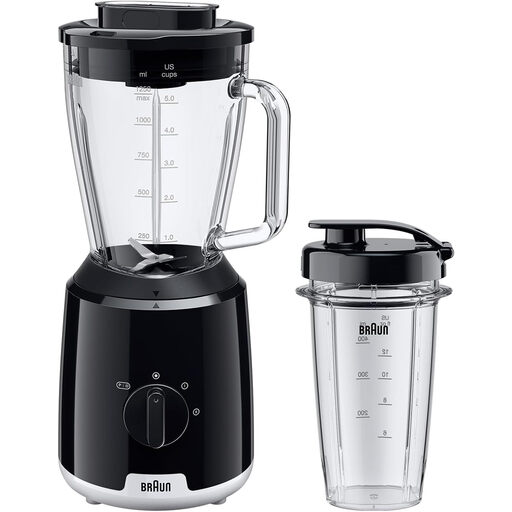 No image available
The jug and separate bottle offer a way to prepare a shared mixture or an individual portion.
The product name specifies a 1.5L glass jug, 600W motor and two speeds. If your lolly mixture contains ice or frozen fruit, check the exact instructions before blending; also check the minimum quantity needed in the jug.
 No image available
This combination is more relevant if the kitchen needs food-processing functions beyond its ice lolly mixtures.
The product name lists integrated weighing, a 1000W motor, 13 accessories, variable speed and pulse. Its stated 3L capacity refers to the processor bowl, not the blender jug: check the jug capacity and minimum-fill guidance separately before planning a batch.
Choose a jug whose usable capacity accommodates the mixture for your moulds, rather than relying on its headline size alone. For reference, Magimix gives the Blender Power 3 Premium a 1.2L working capacity, while Joybuy UK listings describe 1.8L and 2.1L formats for the nutribullet Blender Combo and Ninja BN800UK respectively. Check the exact model's minimum-fill instructions as well as its capacity.
No. They may simplify routine cleaning, but shared users still need suitable cleaning and separation controls for their ingredients. Food Standards Agency MyHACCP guidance identifies contamination control as important in shared facilities.
Keep chilled ingredients cold during preparation and freeze the finished mixture promptly. Food Standards Agency guidance for England, Northern Ireland and Wales advises keeping chilled food at 0–5°C and a freezer around −18°C; follow the handling instructions for the ingredients you use.
If the activity is a food business, the Food Standards Agency registration service says to register with the local authority at least 28 days before trading. If you are unsure whether your particular arrangement counts as a food business, check with the relevant local authority rather than assuming that sharing a kitchen determines the answer.