Choose a hand blender for small portions blended in a pan or beaker, a jug blender for several portions at once, or a food processor–blender combination if you will also use its other preparation tools. Check the vessel size, controls and cleaning requirements against your routine. If the purée is for a prescribed texture-modified diet, the finished food must meet the person’s prescribed texture requirements; the appliance alone cannot establish that.
Who each format suits
Small-portion cooks
If you usually make one or a few servings, a hand blender lets you work in a suitable pan or beaker rather than transfer the peas to a full-size jug. Frimley Health NHS Foundation Trust identifies hand-held blenders as suitable for small quantities.
Households preparing batches
If pea purée accompanies family meals, soups or sauces, compare jug sizes and stated working capacities before choosing. A larger vessel can accommodate more food, but still needs space and cleaning after use.
Carers preparing a prescribed texture
If someone has been advised to follow a puréed diet, focus on the finished food rather than a blender’s power rating. Cambridge University Hospitals NHS Foundation Trust advises blending small amounts to help prevent lumps; follow the person’s clinical advice and the applicable International Dysphagia Diet Standardisation Initiative (IDDSI) texture tests.
What matters when choosing
Hand blender
Choose it when: You normally make a small portion and want to blend in a suitable pan or beaker.
Trade-off: You may need to work in small amounts rather than blend several portions in one large vessel.
Jug blender
Choose it when: You regularly prepare several portions and want a dedicated blending jug.
Trade-off: Ingredients must be transferred into the jug, and hot-food use depends on the exact model’s instructions.
Food processor with blender
Choose it when: You will also use preparation functions such as chopping or slicing for other meals.
Trade-off: The additional bowl and tools take more room than a basic blender.
When choosing equipment specifically for pea purée, decide which need takes priority: controlling texture, preparing batches or keeping small portions simple.
| Concern | What to check | Who this matters to |
|---|
| Texture control |
Look for pulse or adjustable speed; plan to sieve remaining skins if needed. For a prescribed IDDSI Level 4 diet, test the finished food under its intended serving conditions. |
If the purée must be smooth and adjustable without stray skins or lumps, texture comes before appliance convenience; around 42% of consumers put texture control first. |
| Batch size and other tasks |
Compare stated working capacity with jug size, and check which processor tools you would actually use. |
When making several portions alongside other meals, I need enough room to blend and may use chopping or slicing tools too; roughly 25% of consumers prioritise batch size and wider preparation use. |
| Small portions and cleaning |
Check the supplied beaker, detachable parts and the manufacturer’s cleaning instructions. |
For one serving, I would rather blend in a suitable vessel than wash a full-size jug; around 33% of consumers place small-portion convenience first. |
Mistakes to avoid
-
Assuming every blender can handle hot purée
Hot-food instructions vary by model. A vented jug lid and a sealed personal cup should not be treated as interchangeable.
Read the exact model’s instructions before adding hot peas or liquid, and blend hot food only where the manufacturer permits it.
-
Judging prescribed purée by appearance alone
Blending can leave skins, lumps or separated liquid. These matter when preparing food for someone with chewing or swallowing difficulties.
Cook the peas well, work in small amounts and sieve remaining particles if needed. Follow the prescribed texture level and carry out the applicable IDDSI tests at the intended serving temperature.
-
Buying extra attachments for an occasional single serving
A processor’s additional tools are useful only if they fit other tasks in your routine. Frimley Health NHS Foundation Trust identifies a hand-held blender as suitable for small quantities.
For one portion at a time, compare hand blenders before choosing a larger appliance for functions you may rarely use.
Relevant brands to consider
Kenwood
Its specified jug blender and processor–blender models cover batch purée and broader meal preparation.
- Kenwood lists a 1.5 L working liquid capacity and three speeds plus pulse for the Blend-X Fresh BLP41.A0CT.
- The MultiPro Compact FDP31.170GY adds preparation tools, but those attachments may be unnecessary if you only make pea purée.
nutribullet
Its full-size Blender 1000W is relevant to buyers considering a jug for multiple portions.
- nutribullet specifies a 1.6 L jug with low, high and pulse controls for this model.
- Check hot-food instructions for the exact model; the full-size jug’s features do not establish what a personal or portable cup can handle.
Braun
Its MultiQuick 7 MQ7045X hand blender is relevant to small portions and blending in a suitable vessel.
- Braun specifies variable speed and an 850 W motor for the MQ7045X.
- Its hand-held format requires you to work within a suitable vessel; the motor rating does not establish the texture of finished pea purée.
Bosch
Its ErgoMixx MS6CA4150G is another hand-blender option for cooks who want speed adjustment.
- Bosch specifies 12 speed settings plus turbo and a detachable metal foot for this model.
- Speed settings do not remove the need to check for pea skins or sieve the purée when necessary.
Joybuy products for pea purée
These choices include hand blenders for smaller portions, jug blenders for batches and a processor–blender for wider meal preparation. Check each model’s instructions before blending hot food.
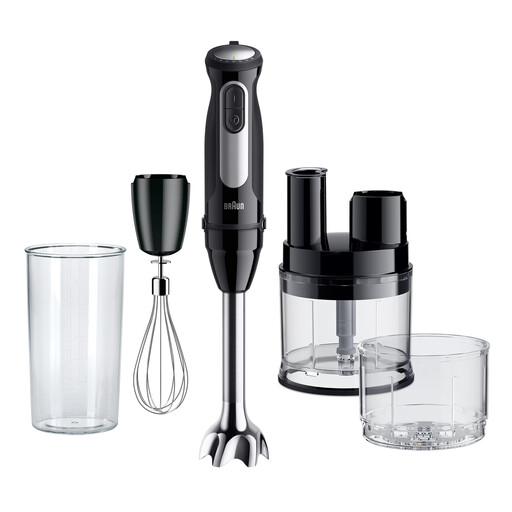 Image unavailable
Braun MultiQuick 5 Pro MQ55755M hand blender
A hand-blender option for small portions when you prefer to blend in a suitable vessel.
The listed variant is 1000 W and includes a beaker, whisk and mini food processor.
Check the exact instructions before blending hot purée; no appliance specification establishes the finished texture.
View on Joybuy
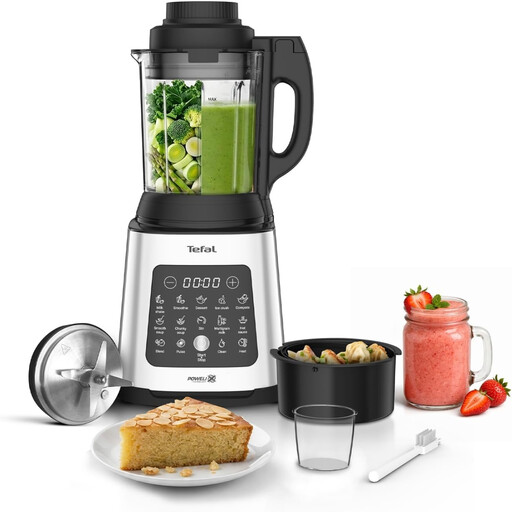 Image unavailable
Tefal Perfect Mix Cook BL83SD65 cooking blender
Consider this jug-style cooking blender if you prepare pea purée alongside other blended dishes.
The listed variant has a steam basket and 10 programmes.
Follow the model’s instructions for ingredients and temperatures; check the finished purée for skins or lumps.
View on Joybuy
 Image unavailable
DAEWOO 2-in-1 Food Processor and Blender, 750 W
This combination makes more sense if you will use processor functions as well as blending pea purée.
The title lists a 2 L bowl and a 1.8 L capacity; check usable blending capacity in the instructions before planning batches.
The additional bowl and tools need storage and cleaning. Confirm hot-food instructions before blending hot purée.
View on Joybuy
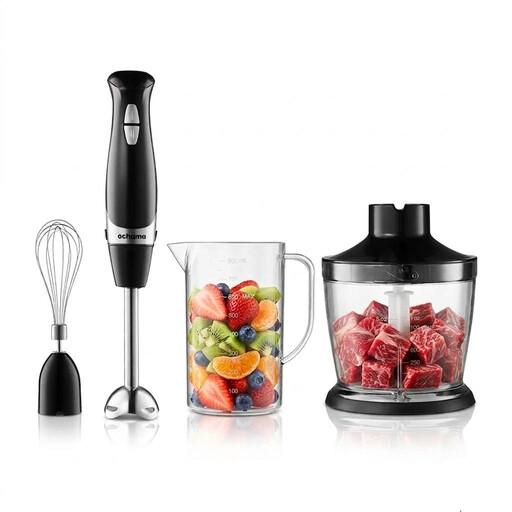 Image unavailable
ochama 4-in-1 Hand Blender, 600 W
The immersion format and supplied beaker make this a small-portion option.
The listed variant has two speeds, a 500 ml chopper cup and an 800 ml beaker.
Check hot-food instructions before use and follow the stated one-minute continuous-operation limit.
View on Joybuy
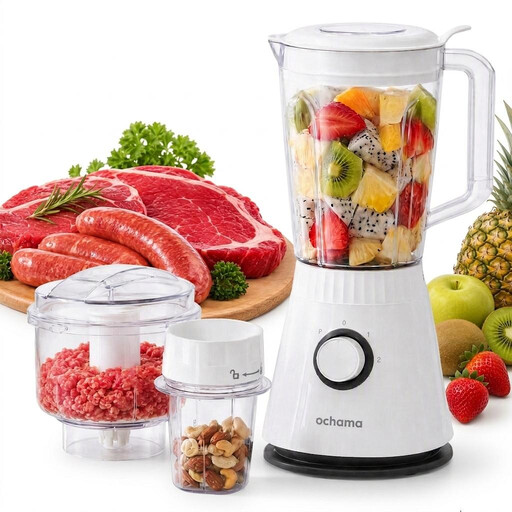 Image unavailable
ochama Multifunction Blender, 600 W, 1.5 L
Consider this countertop format when you prefer a jug for more than one small serving.
The listed variant has a 1.5 L pitcher and three speed settings; check the usable fill level when planning portions.
Confirm hot-food instructions before adding hot purée, and sieve remaining skins if needed.
View on Joybuy
Common questions
Should I cook peas before blending them into purée?
Yes, for a smooth cooked pea purée, cook the peas until soft before blending. NHS puréed-diet guidance advises preparing solid foods thoroughly and working in small amounts; sieve the result if skins or particles remain.
Will a higher wattage guarantee smoother pea purée?
No: wattage alone cannot establish the finished texture. Cooking softness, batch size, blending control and any remaining skins also matter; if a prescribed texture level applies, check the food itself.
Can I blend hot pea purée in any blender?
No; follow the hot-food instructions for the exact blender and vessel. nutribullet describes a vented lid cap for hot liquids on its full-size Blender 1000W, but that does not establish hot-food suitability for other models or sealed cups.
What if the purée is for someone with swallowing difficulties?
Follow the texture level prescribed by their clinician rather than relying on how the food looks or on an appliance claim. For IDDSI Level 4, check the finished food with the applicable Fork Drip and Spoon Tilt tests under its intended serving conditions, following the person’s clinical advice.


