Guests making one small batch
If the dressing is for one meal and luggage or worktop space is tight, a compact appliance may be easier to bring. Check the property inventory first: Unique Cottages notes that equipment varies between its properties.


Choose the blender format around the amount of dressing you will make and the cottage kitchen you will use: a portable blender suits a small batch, a hand blender lets you work in a separate vessel, and a jug blender gives you more room for shared meals. Before bringing or buying one, check what the cottage supplies, whether you will have a socket or charging option, and how the food-contact parts must be cleaned.
If the dressing is for one meal and luggage or worktop space is tight, a compact appliance may be easier to bring. Check the property inventory first: Unique Cottages notes that equipment varies between its properties.
If several people need dressing, compare vessel capacities before choosing a portable cup. A larger jug may also be useful if you plan to prepare other sauces during the stay, provided the cottage has room to use and store it.
For an appliance used by successive guests, clear instructions for cleaning removable food-contact parts matter alongside capacity. Operators should also check the electrical-safety requirements applicable to their property; GOV.UK provides self-catering guidance specifically for England.
Start with the number of portions and the vessel you want to blend in, then check whether the cottage setup supports the appliance and its cleaning routine.
Choose it when: You need a small dressing and want to keep worktop space clear or avoid blending beside a mains socket.
Allow for: A small cup may mean repeated batches for a group, and the appliance still needs charging.
Choose it when: You have a suitable jug or bowl and want to blend the dressing directly in that vessel.
Allow for: You need an accessible socket and a vessel deep enough to help contain splashes.
Choose it when: You are preparing several portions and have space for a dedicated blending jug.
Allow for: The jug and base take up more space, and a large vessel may be more than one small dressing calls for.
| Concern | What to check | Who this matters to |
|---|---|---|
| Small batches and limited space | Compare cup capacity and charging arrangements; check whether the appliance will fit your available worktop or luggage space. | If I only need dressing for one meal, I want an appliance that is easy to bring and set up. Around 42% of consumers put small-batch convenience first. |
| Shared-meal capacity | Check the vessel’s stated capacity against the portions you intend to make, and whether you would need to blend in stages. | When I am cooking for several people, making enough dressing without repeated batches matters more than a compact cup. Shared-meal capacity comes first for around 33% of consumers. |
| Cleaning and repeat use | Check the exact model’s instructions for removable food-contact parts and dishwasher use; do not put a motor base in the dishwasher. | If different guests will use the appliance, I need to know how its vessel, blade area and other food-contact parts can be cleaned. Around 25% of consumers make cleaning and repeat-use management their primary concern. |
Equipment can vary between properties, so a blender may not be available when you arrive. Unique Cottages advises checking what an individual cottage provides.
Read the property inventory or ask the host before deciding whether to pack or buy one.
KitchenAid lists a 473 ml jar for its Go portable blender, while the nutribullet UK jug blender has a 1.6 L jug. Those vessel sizes call for different batch plans.
Work out how many portions you need, then check the chosen model’s usable fill level rather than relying on its format name alone.
nutribullet UK describes the parts of its 1.6 L jug blender as dishwasher safe except for the power base. Cleaning instructions can differ for other models and attachments.
Check the exact manual before washing the vessel, blades or seals, and clean the motor base only as instructed.
KitchenAid lists Go portable blender versions both with and without a battery. A cordless model cannot be used as intended unless its required power components are available.
Check the full model number and box contents, including the battery and charging equipment, before ordering.
A reference point for comparing a larger jug with a portable cup. nutribullet UK specifies a 1.6 L jug, 1000 W motor and low, high and pulse settings for its Blender 1000W; a separate Joybuy-listed portable model has a 475 ml cup.
A reference point for blending directly in a separate vessel. Braun Household GB describes dishwasher-friendly stainless-steel shafts in its hand-blender range for use in a pot, pan or other container.
A reference point for a cordless portable blender. KitchenAid UK lists a Go model with a 473 ml jar and one speed plus pulse.
These products cover hand blenders, a portable blender and countertop blenders for different batch sizes and cottage setups. Choose by the vessel, power arrangement and cleaning instructions that suit your stay, rather than treating the formats as interchangeable.
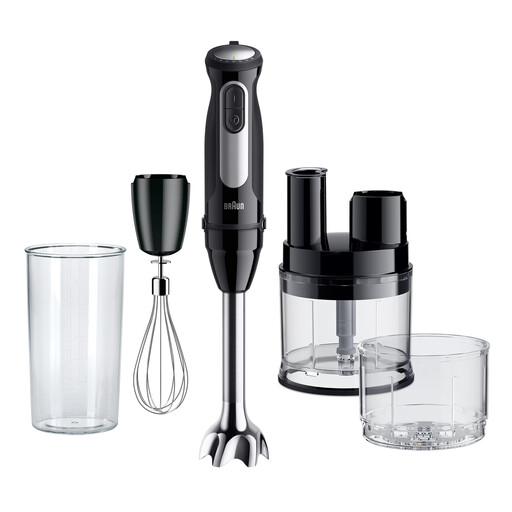 No image available
Consider this hand-blender format if you want to make dressing in a separate vessel and have a suitable mains socket.
The product name specifies 1000 W and includes a whisk, beaker and mini food processor. Check the beaker’s usable capacity and the washing instructions for each attachment.
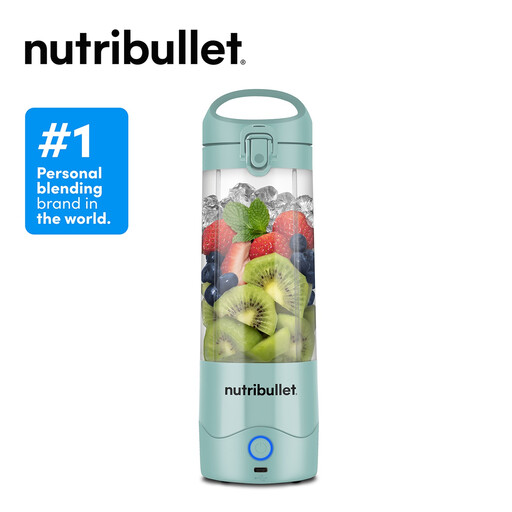 No image available
The 475 ml cup makes this a small-batch option when luggage or worktop space matters more than preparing several portions at once.
The product name lists a USB-C charging cable and a to-go lid. Check how you will charge it during the stay and follow the model’s cleaning instructions.
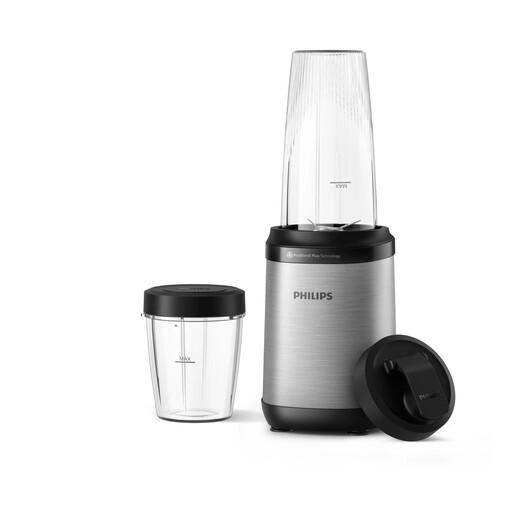 No image available
Consider this countertop blender if you prefer a dedicated blending vessel to a hand blender for cottage meals.
Check its vessel capacity against your dressing portions and confirm the plug and any adaptor needed for the cottage before ordering.
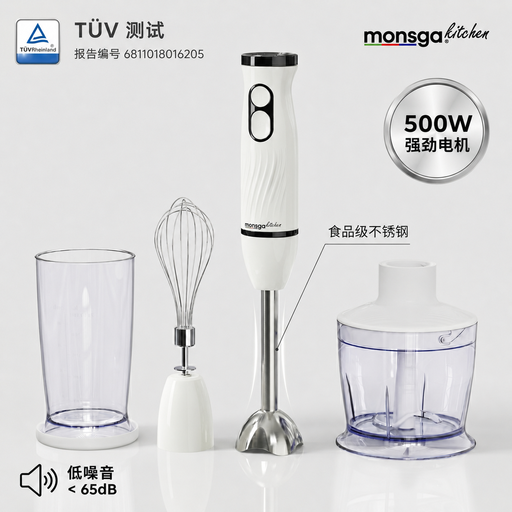 No image available
This is another direct-in-vessel option for a small dressing where a suitable mains socket is available.
The product name lists Normal and Turbo modes, a 500 mL beaker, a 500 mL chopper and a 1.5 m cable. Check which vessel suits your portion size and how each attachment should be cleaned.
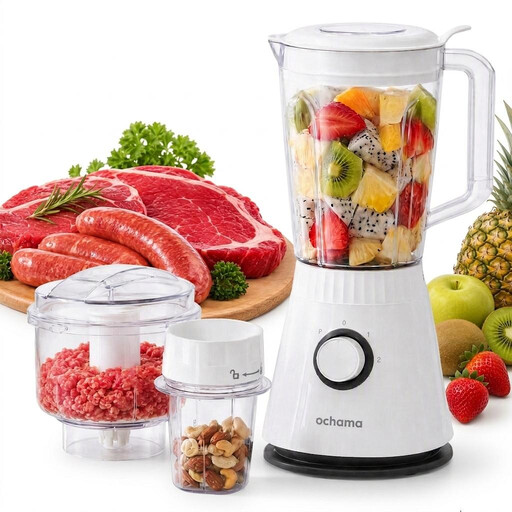 No image available
The stated 1.5 L capacity is worth considering if you will prepare dressing for several people and have room for a countertop blender.
The product name lists three speed settings. Check the available worktop space and the instructions for cleaning its removable components, particularly if you will usually make only a small portion.
Do not assume it will. Unique Cottages notes that equipment varies between its properties, so check the individual cottage’s inventory or ask the host before packing or buying a blender.
It can suit a small batch, but check how much dressing you need to make. KitchenAid UK lists a 473 ml jar for its Go portable blender, whereas nutribullet UK specifies a 1.6 L jug for its Blender 1000W; several portions may call for a larger vessel or repeated batches.
Follow the exact appliance instructions for its food-contact parts and motor base. If the cottage operation is also a food business, GOV.UK food-hygiene guidance says cooking equipment must be cleaned regularly and sets out cleaning and disinfection requirements after raw-food contact; that business guidance should not be assumed to apply to an ordinary guest preparing a meal.
Check the property’s applicable electrical-safety requirements and the appliance instructions. GOV.UK guidance for self-catering holiday homes in England directs operators to follow HSE electrical-safety guidance; operators in Scotland, Wales or Northern Ireland should check the requirements applicable to their own property rather than treating the England guidance as UK-wide.