For dressing served to several people, start with a jug blender if you want to make and pour one batch. A food-processor and blender combination makes more sense when you will also use its preparation functions, while a personal blender suits smaller amounts. Whichever format you choose, check its minimum-fill instructions and which parts can be washed in the dishwasher.
Who each format suits
Family-batch dressing makers
If you regularly serve yoghurt dressing or dips with a family meal, a jug gives you room to prepare and pour a shared batch. Tower Housewares describes its 1.5L jug blender as suitable for family sauces and dips; check the amount you normally make against any minimum-fill instructions.
Multi-step meal-prep cooks
If dressing is one part of preparing the meal, a combination appliance may also handle tasks such as chopping and mixing. Ninja describes its BN800UK as a food processor with multi-serve and personal-blender functions; consider whether you would use those functions often enough to store and clean the attachments.
Small-batch, low-clean-up users
If you usually make a modest amount, a personal blender offers cup-based preparation instead of a large jug. nutribullet states that the cups and blade for its 900 Series are dishwasher-safe, but check whether your usual serving fits the cup you intend to use.
What matters when choosing
Family-size jug blender
Choose it when: You want to blend a shared serving and pour it from one jug.
Bear in mind: A large stated capacity does not establish whether the blades can process your smallest dressing batch.
Food-processor and blender combination
Choose it when: You will use the processor for other parts of the meal as well as blend dressing.
Bear in mind: Extra attachments take space and add to the washing up.
Personal blender
Choose it when: You normally prepare a smaller amount and prefer a cup-based format.
Bear in mind: A larger table-serving portion may need more than one batch.
For family-meal yoghurt dressing, decide how much you need to make at once before weighing clean-up against other meal-prep uses.
| Concern |
What to check |
Who this matters to |
| Batch capacity |
Compare the exact jug or cup capacity with your usual portion, then check the model’s minimum-fill guidance. |
When I make dressing for the whole table, I want to pour one batch rather than run the blender again; around 42% of consumers put batch capacity first. |
| Clean-up |
Identify which lid, seal, blade and container parts can be removed and which are dishwasher-safe. |
After a family meal, I want to clean yoghurt from the parts I used without a lengthy routine; roughly 33% of consumers prioritise clean-up. |
| Other preparation tasks |
Check whether the included attachments suit the tasks you will actually do and whether the available cup or jug fits your portion. |
I may chop ingredients for the meal or make only a little dressing, so the format matters beyond jug size; around 25% of consumers put versatility or small-batch use first. |
Common buying mistakes
-
Choosing by motor wattage alone
Wattage does not tell you whether your portion fits the container or whether a small amount can reach the blades.
Compare capacity and the exact model’s minimum-fill instructions, then check how its food-contact parts are cleaned.
-
Assuming a personal cup will serve the whole table
nutribullet lists a compatible 930ml cup for its 900 Series, while Tower Housewares positions a 1.5L jug for family sauces and dips. The amount you serve may make one format more practical than the other.
Work out your usual dressing quantity before choosing a cup or jug; check whether you would need repeat batches.
-
Reading “dishwasher-safe” as applying to everything
Bosch specifies dishwasher-safe parts for the MMB6174SG, and nutribullet identifies dishwasher-safe cups and blades for its 900 Series. Neither statement means every component of every blender can go in a dishwasher.
Follow the exact model’s instructions for the blade assembly, seals, lid and motor base.
-
Buying preparation functions you will rarely use
A combination appliance is useful when its processor functions fit your meal routine; for dressing alone, those functions need not decide the purchase.
List the other tasks you expect to do, then compare the included attachments with a simpler jug blender.
Attachments also need storage space and cleaning time.
Brands to consider
Bosch
Bosch’s MMB6174SG is a reference point if you want a conventional jug blender: Bosch UK specifies a 1.5L ThermoSafe glass jug.
- Bosch UK also lists dishwasher-safe parts for this model.
- Check the MMB6174SG’s minimum-fill instructions if you usually make only a little dressing; these specifications should not be assumed for other Bosch models.
Ninja
Ninja positions its BN800UK as a 3-in-1 food processor with multi-serve and personal-blender functions for wider meal preparation.
- Its combination format is relevant if you also plan to use the food-processor functions.
- Consider where you will keep and wash the additional attachments.
nutribullet
nutribullet’s 900 Series is a cup-based option to consider for smaller dressing portions.
- nutribullet UK states that its 900 Series cups and blade are dishwasher-safe and lists a compatible 930ml cup.
- Check your intended serving against the cup size rather than assuming it will replace a family-size jug.
Joybuy products for these uses
These choices include jug blenders for a shared batch, combination appliances for dressing alongside other meal preparation, and a cup-based option for smaller amounts. Check the instructions for the exact model and portion you plan to make.
 No image available
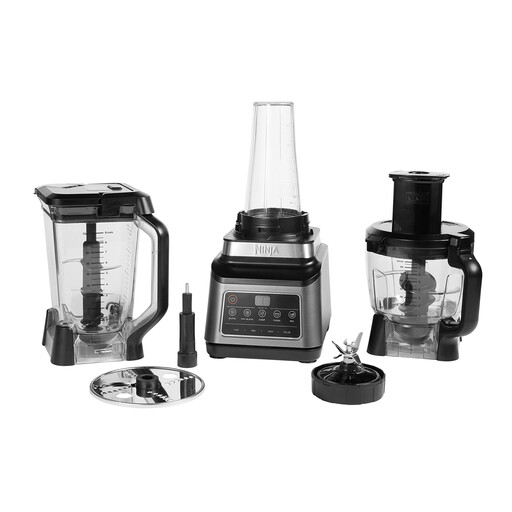
Ninja BN800UK 3-in-1 Food Processor, 2.1L Jug and 1.8L Bowl
Consider this combination if dressing is part of wider family-meal preparation. Its title specifies a 2.1L jug, 1.8L processor bowl and 700ml cup. Check the minimum-fill instructions for a small dressing, and allow space for the attachments.
View on Joybuy
 No image available
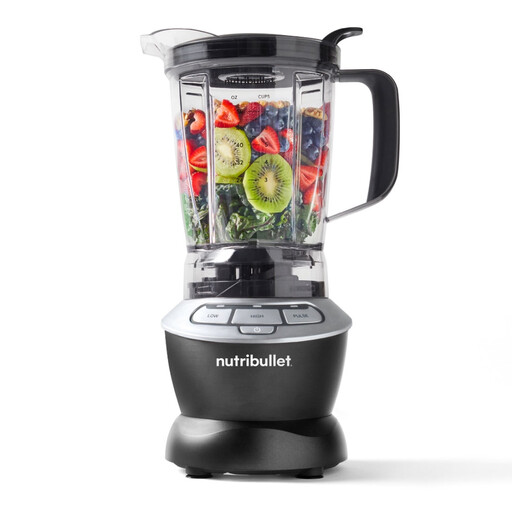
nutribullet Blender, 1000W, 1.6L, Hot & Cold
Consider this jug format when you want to prepare a shared portion rather than use a personal cup. The product title specifies a 1.6L pitcher; check the exact model’s minimum-fill instructions for smaller amounts of dressing.
View on Joybuy
 No image available
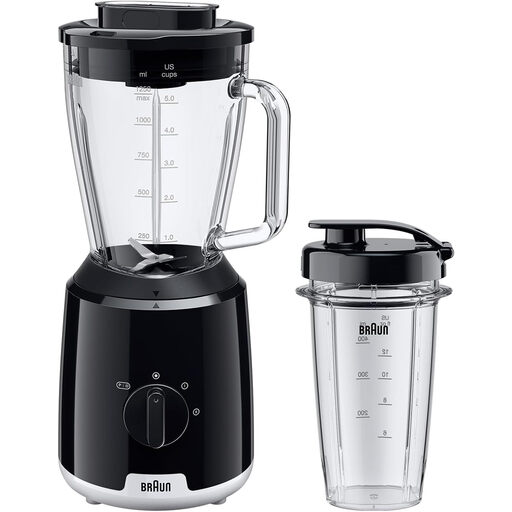
Braun PowerBlend 1 JB1051BK, 1.5L Glass Jug and To-Go Bottle
Consider this jug blender if you want to pour dressing for several servings. Its title specifies a 1.5L glass jug, two speeds and a separate to-go bottle. Check the model’s minimum-fill instructions if you also prepare small portions.
View on Joybuy
 No image available
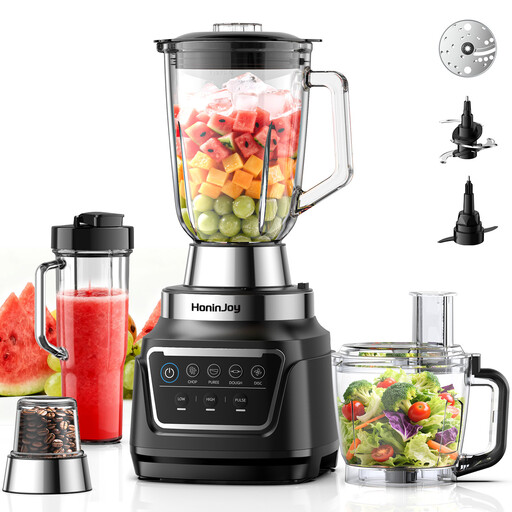
HoninJoy All-in-One Blender & Food Processor
Consider a blender and food-processor combination if you expect to prepare other ingredients as well as dressing. Check the capacity and minimum-fill instructions for the container you would use, along with the space needed for its attachments.
View on Joybuy
 No image available
nutribullet 900 Series Matte Kit, Sand, 900ml
Consider this cup-based blender when you usually make a smaller amount of dressing. Its title specifies 900ml and 900W; a larger shared portion may take more than one batch. Confirm the accessories included with this kit before ordering.
View on Joybuy
Questions about dressing blenders
Is a 1.5L jug always right for family yoghurt dressing?
No: it gives you a capacity starting point, not a guarantee that the blender suits every portion. Tower Housewares describes its 1.5L jug as having room for family sauces and dips, and Bosch UK specifies a 1.5L jug for the MMB6174SG. Check the exact model’s minimum and maximum fill instructions against the amount you make.
Can every part of a dishwasher-safe blender go in the dishwasher?
No. Bosch UK lists dishwasher-safe parts for the MMB6174SG, while nutribullet UK identifies the cups and blade of its 900 Series. Check your model’s instructions part by part, including how to clean the motor base.
Do I need a food processor to make yoghurt dressing with herbs?
Not necessarily: choose a combination appliance when you also expect to use its preparation functions. If the texture of a liquid mixture is your main concern, compare the blending setup carefully; Which? notes that a food processor’s blender attachment may struggle to achieve the silky texture of a dedicated blender.


