
24/7 Customer Support

Free returns

Same-day & Next-day Delivery

Quality Guaranteed

Unlock Your Welcome Offers: FREE Delivery | Up to 80% OFF | Free 30-day JoyPlus trial
Download the APP
Buying one of the many blenders available in the UK can look straightforward until you compare motor ratings, cup sizes, attachments and cleaning instructions. A compact portable blender may suit a protein shake after the gym, while a corded hand blender is more practical for soup, sauces and family portions.
The right choice depends less on impressive marketing language and more on how, where and how often you plan to blend. This guide explains the key buying checks, common traps and suitable options for different UK households.
A 1200W blender has a higher stated motor power than a 450W model, but wattage alone does not tell you how effectively ingredients are processed. Blade design, vessel shape, speed control and recommended operating time also affect results.
A high-powered personal blender may be suitable for frozen fruit, ice and thicker smoothies, but it may be unnecessary for soft fruit, sauces or occasional baby food preparation. Conversely, a small USB-powered model is not automatically suitable for large quantities or repeated heavy processing.
A cordless blender is convenient for offices, university accommodation, commuting and travel, but most portable models have a capacity of around 475ml to 500ml. That is generally suitable for one drink rather than a family batch.
Check whether the cup is also designed as a travel vessel, whether the lid is leak-resistant and how much space it occupies in a bag or car cup holder. Also check the charging method: a USB-C rechargeable blender is convenient, but it still needs regular charging and may have limitations when processing harder ingredients.
The motor base should not be immersed in water. Removable cups, lids, shafts and blade assemblies may be dishwasher-safe, but this differs by model and component. Always check the product instructions before placing parts in a dishwasher.
Blades are sharp and should be handled carefully during assembly, cleaning and storage. For hot soup, use only a blender explicitly suitable for hot ingredients and follow its maximum temperature and fill guidance.
For occasional smoothies and soft ingredients, a basic personal blender or 450W hand blender may be sufficient. Models rated at around 600W to 1000W offer more flexibility for soups, sauces, purées and chopping when paired with suitable attachments.
A 1200W blender can be considered when frozen fruit, ice or dense mixtures are regular parts of your routine. However, follow the manufacturer’s instructions for maximum quantities, liquid levels and blending intervals. Do not assume that a higher rating makes every model suitable for nuts, hot liquids or continuous operation.
Consider the quantity you normally prepare:
A personal blender with a travel lid reduces washing-up because you can blend and drink from the same vessel. A hand blender can be used directly in a suitable jug or saucepan, making it more practical for soup and larger batches.
One-touch operation is useful for quick drinks, while variable speeds and pulse control allow more control over texture. If you prepare food rather than drinks, look for a blender with chopper or blender with whisk. These attachments can support chopping herbs, nuts and vegetables, or whisking eggs and cream.
For frequent use, prioritise detachable parts and clearly stated dishwasher-safe blender components. Check the warranty, replacement accessory availability and whether the motor base, cable or battery has specific care requirements.

Why This Fits Their Persona: A straightforward corded option for students, first-time buyers and smaller UK kitchens needing simple blending for sauces, smoothies and desserts.
Its 450W rating is clearly specified, avoiding vague power claims, while the one-speed design keeps controls uncomplicated.
Includes a 600ml BPA-free beaker, stainless steel blades and dishwasher-safe removable parts.
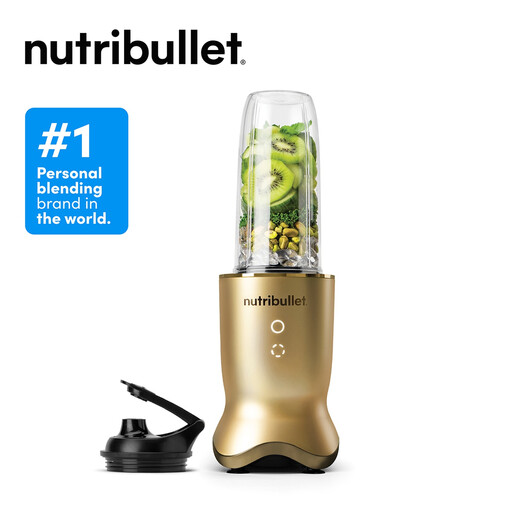
Why This Fits Their Persona: Suitable for regular smoothie makers who want a larger personal vessel, automated operation and stated features for frozen ingredients and ice.
The 1200W motor, 900ml cup and two control options are clearly stated, so buyers can compare capacity and control rather than rely on appearance.
Features an automated 30-second cycle, manual pulse control and dishwasher-safe Tritan Renew cups and lids.

Why This Fits Their Persona: Designed for individual drinks at work, the gym, in student accommodation or while travelling without a mains socket nearby.
Its 475ml capacity, USB-C charging and stated 15+ blending cycles per charge make the portability specifications easier to assess.
The BPA-free cup doubles as a travel container, while the cup, lid and blade assembly are dishwasher-safe.
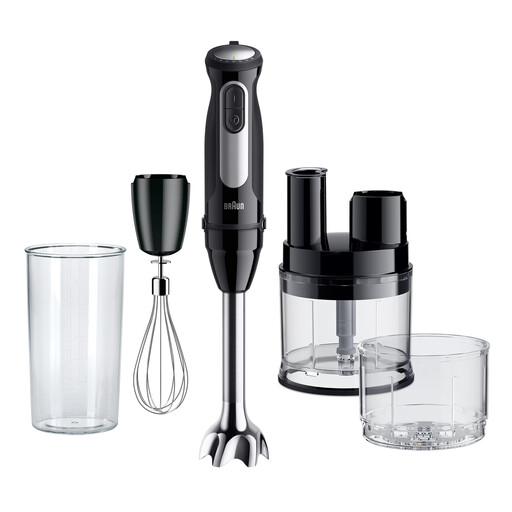
Why This Fits Their Persona: A practical match for home cooks preparing soups, sauces, chopped vegetables, grated ingredients and whipped mixtures.
It provides a defined 1000W rating, 25-speed control wheel and separate attachments instead of presenting one generic appliance as suitable for every task.
Includes a mini food processor, metal whisk, ice-crush knife and 500ml beaker, with EasyClick Plus attachment changes.
We have compiled a complete, real-time list of products that fully satisfy these strict selection criteria and UK safety regulations.
Before buying, confirm the following:
Some cordless models are marketed for ice and frozen fruit, but results depend on ingredient size, liquid quantity, battery level and the manufacturer’s instructions. A portable blender is generally intended for individual portions, not repeated large batches.
Lifespan depends on frequency of use, ingredient load, cleaning and correct operation. Avoid overfilling, running a motor beyond its stated cycle and immersing the motor base. A model with detachable, replaceable or dishwasher-safe parts may be easier to maintain over time.
A corded blender typically runs for short periods, so actual electricity use depends on its wattage and operating time. For example, a 1000W model operating for one minute uses approximately 0.017 kWh. Cordless models use mains electricity when charging, while their running cost also depends on charging frequency and battery capacity.