
24/7 Customer Support

Free returns

Same-day & Next-day Delivery

Quality Guaranteed

Unlock Your Welcome Offers: FREE Delivery | Up to 80% OFF | Free 30-day JoyPlus trial
Download the APP
Choosing between worktop blenders, a smoothie maker or a hand blender can be difficult when product descriptions focus on motor power and attractive accessories. A 1,200W rating does not automatically mean a machine suits your recipes, while a compact model may be more practical for a small UK kitchen.
Before buying, look beyond promotional wording and check the design, capacity, cleaning requirements and intended use.
Motor power is only one part of blending performance. A high wattage may be useful for frozen ingredients, ice or large batches, but it can also mean a larger base, more noise and higher electricity use. A 300W personal blender may be adequate for soft fruit and protein shakes, while a multifunction blender with a higher rating may be more suitable for chopping, grinding and heavier mixtures.
Also check whether the product specification refers to input power, blending power or heating power. These figures are not always directly comparable.
A standard jug blender is not automatically a soup maker blender. Hot liquids can create pressure inside a sealed jug, increasing the risk of splashing when the lid is removed. Follow the manufacturer’s temperature and filling instructions carefully.
If you regularly prepare soup, choose a model specifically designed for hot and cold preparation, or use a hand blender directly in a suitable saucepan while keeping the motor unit away from liquid.
Blades, seals and narrow bottle openings can make a blender frustrating to clean. “Easy clean” does not always mean every component is dishwasher safe. Check which parts can go in the dishwasher and whether the motor base must be wiped by hand.
For smaller homes, consider the appliance’s footprint, cable storage and whether the jug or cups fit your cupboard. A portable blender may save worktop space, but its smaller capacity will not suit family-sized batches.
Match the container to the number of people and the recipe type:
Check the difference between maximum capacity and recommended working capacity. Hot ingredients may require a lower fill level than cold drinks.
Look for clearly stated functions rather than vague descriptions. An ice-crushing blender should have an appropriate blade system and a dedicated pulse or ice function. For sauces and baby food, variable speeds can make it easier to control texture.
A blender with chopper attachment can be convenient for small quantities of herbs, vegetables or other preparation tasks, but confirm the chopper cup size. A multifunction blender may include a whisk, grinder or beaker, yet additional accessories also mean more parts to store and wash.
Glass jugs resist odour retention and provide a sturdy feel but can be heavier than plastic. BPA-free plastic and Tritan containers are lighter and often more convenient for personal drinks. Check the product listing for the exact material rather than assuming it from the appearance.
For UK use, confirm that the product is supplied for the appropriate mains voltage and review the operating instructions. Look for secure-lid mechanisms, non-slip feet and clear warnings about sharp blades. Dishwasher-safe components can reduce cleaning effort, but the motor base should not be immersed in water.

Why This Fits Their Persona: Its compact format and two 0.6L bottles suit one or two people making drinks for work, commuting or the gym without needing a large worktop appliance.
The two bottles reduce washing-up, while removable dishwasher-safe parts make the compact design practical for regular use.
300W motor, one-button control, pulse function and two 0.6L Tritan bottles for drinks on the go.
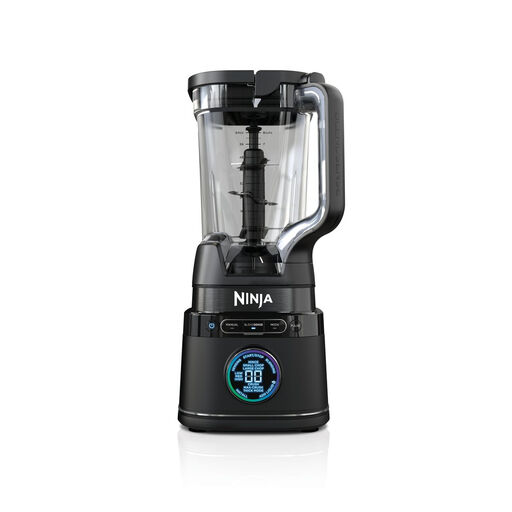
Why This Fits Their Persona: A household wanting both family-sized blending and individual drinks can use the jug or single-serve cups without buying two separate appliances.
Its separate jug and single-serve formats address the common mismatch between large capacity and everyday one-person portions.
1200W motor base, 10 speeds, preset modes, two single-serve cups and top-rack dishwasher-safe parts.
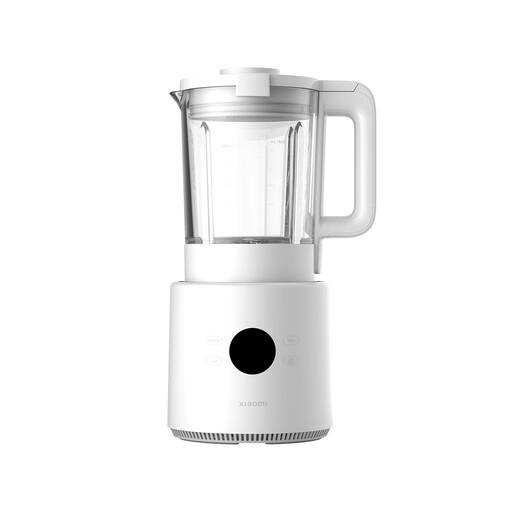
Why This Fits Their Persona: Frequent home cooks preparing hot drinks, soups or larger cold batches may value the 1.75L cold capacity and dedicated heating functions.
It is specified for hot and cold preparation, with a stated 1.4L maximum for hot drinks rather than relying on a standard cold-drink jug.
500W blending power, 800W heating power, six hot and cold beverage options and self-cleaning modes.
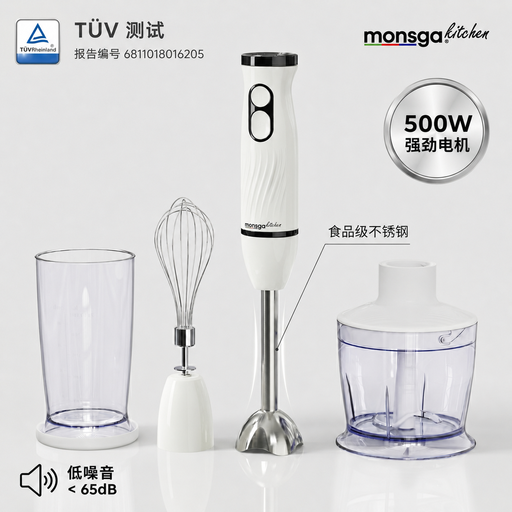
Why This Fits Their Persona: Parents and home cooks preparing soups, purées, sauces or small batches can work directly in a saucepan or use the included beaker and chopper.
The extended 36.5cm shaft reaches deeper pots, while the anti-splash guard and stated one-minute operating limit clarify safe practical use.
Normal and turbo modes, whisk, 500ml chopper, 500ml beaker and dishwasher-safe detachable accessories.
We have compiled a complete, real-time list of products that fully satisfy these strict selection criteria and UK safety regulations.
For one person, a personal blender with a 400–700ml cup is usually convenient. Couples may prefer a 1L jug, while families preparing several portions should consider a 1.5L or larger container. Remember that usable capacity can be lower than the headline volume, especially for hot mixtures.
Lifespan depends on frequency of use, ingredients, cleaning and whether the motor is operated within its stated limits. Avoid overfilling, forcing hard ingredients into the blades or running a hand blender continuously beyond its instructions. Rinse removable parts promptly, dry them fully and inspect seals and blades for wear.
Electricity use depends on the appliance’s wattage and operating time. A simple estimate is:
Power in watts ÷ 1,000 × hours used × your electricity tariff = running cost.
Most blending sessions are short, so operating time may matter as much as the wattage. Choose sufficient power for your recipes rather than paying for specifications you will rarely use.