
24/7 Customer Support

Free returns

Same-day & Next-day Delivery

Quality Guaranteed

Unlock Your Welcome Offers: FREE Delivery | Up to 80% OFF | Free 30-day JoyPlus trial
Download the APP
Choosing between blenders can feel straightforward until you compare motor ratings, cup sizes, blade designs and cleaning instructions. A compact personal blender may suit a single morning smoothie, while a jug blender is more practical for family portions or soup preparation. The wrong choice can mean paying for features you never use—or buying a model that cannot handle your regular ingredients.
This guide from the Joybuy Product Recommendation Officer explains the main buying pitfalls, the specifications worth checking and which types of blenders suit different UK households.
A 900W blender or 1200W blender may offer more motor power than a 300W model, but wattage alone does not determine the finished texture. Blade design, ingredient order, vessel shape and available programmes also influence performance.
For example, a smoothie blender with a 600W motor may be suitable for fruit, sauces and frozen drinks, while a higher-powered personal blender could be more appropriate for frequent ice, nuts or frozen fruit preparation. Consider the full specification rather than selecting the largest number on the box.
A stated 1.6L or 1.7L jug capacity does not necessarily mean you should fill it to the top. Ingredients need room to circulate, and many recipes work better when liquids are added first. Smaller personal cups, such as 475ml, 500ml or 900ml vessels, are intended for individual portions rather than family batches.
Also check whether the quoted capacity refers to the total vessel volume or the recommended maximum fill level.
Blades that cannot be removed or parts that are difficult to rinse may make a blender inconvenient after daily use. Look for dishwasher-safe blender components, but check exactly which parts can go in the dishwasher. Motor bases should not be immersed in water.
Hot liquids require particular care. A standard blender may not be suitable for hot contents because steam can create pressure inside a sealed jug. Even a hot and cold blender must be used according to its supplied instructions, including any temperature limits and vent requirements.
Use your typical recipes as the starting point:
A high-performance blender may also include pulse controls, automated programmes or a dedicated ice-crush setting. These controls can be more useful than power alone when you want repeatable results.
A jug blender generally offers more flexibility for several servings, sauces and larger preparations. Glass jugs can resist retaining food odours and provide a sturdy feel, but they are heavier than plastic vessels. Tritan or similar shatter-resistant cups are lighter and convenient for taking drinks to work or the gym.
A personal blender usually blends directly into a cup, reducing washing-up. However, its smaller capacity is less suitable for family meals. Portable models may have capacities below 500ml and are designed for convenience rather than continuous heavy-duty preparation.
Look for clear information about blade material, removable components and the intended ingredients. Stainless-steel blades are common, while some products specify coated blade assemblies. A pulse setting helps with short bursts, and automatic cycles can simplify routine smoothie preparation.
Do not assume that a product advertised as a blender for crushing ice should process large quantities of dry ice or hard ingredients without liquid. Follow the manufacturer’s fill limits and preparation guidance.
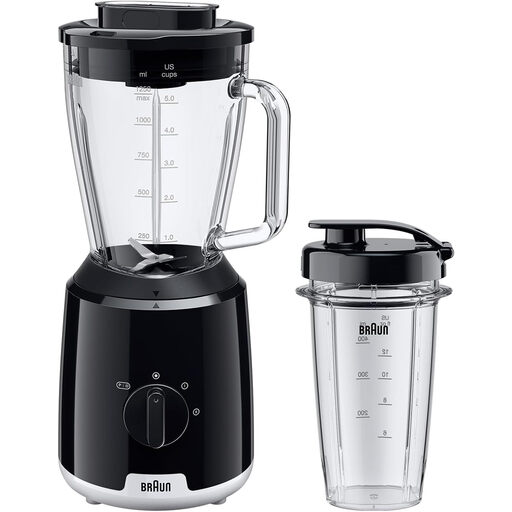
Why This Fits Their Persona: A sensible starting point for UK households making smoothies, sauces and frozen drinks without needing a large appliance. The 1.5L glass jug provides more capacity than a single-serving cup.
Its specification clearly states 600W power, two speeds and an ice-crush function, rather than relying on vague performance language. The jug, lid and blades are listed as dishwasher safe.
Triangular jug design supports ingredient circulation, and the included Smoothie2Go bottle offers a separate takeaway option.
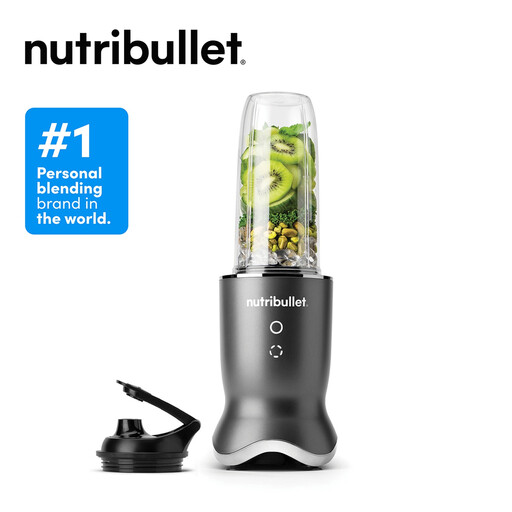
Why This Fits Their Persona: Suitable for users who prioritise a powerful personal format, straightforward controls and a cup that can move from blending to drinking.
The product lists its 1200W motor, automated 30-second cycle and manual pulse option. Its cups, lids and blade assembly are specified as dishwasher safe.
A titanium-coated rapid extractor blade and illuminated interface provide clearly stated hardware and control features.
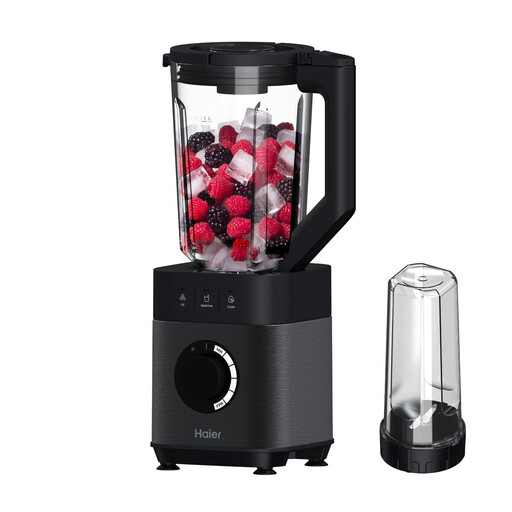
Why This Fits Their Persona: Designed for larger batches, varied recipes and households that want more control than a single-button smoothie maker provides.
Its specification gives the 1.7L glass jug, five manual speeds, pulse control and dedicated ice-crushing programme. The safety interlock helps prevent operation before correct assembly.
Includes a 0.6L Tritan cup, three automatic programmes and an auto-clean function alongside the main jug.
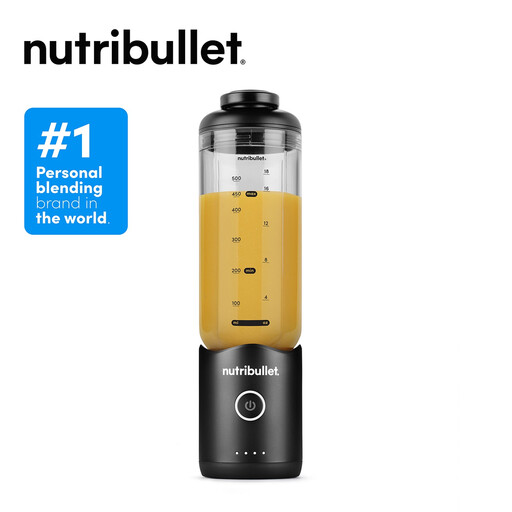
Why This Fits Their Persona: A cordless blender option for commuters, gym users and office workers who need a compact drink-making setup away from a kitchen socket.
The detachable vessel, leakproof sip lid and three-tier battery indicator address common portability problems such as carrying the motor base or running out of charge unexpectedly.
The 500ml vessel is designed for travel, while the detachable blade block is dishwasher safe. It is specified for smoothies, shakes, ice and frozen fruit.
We have compiled a complete, real-time list of products that fully satisfy these strict selection criteria and UK safety regulations.
Running cost depends on the motor’s power, blending time and household electricity tariff. A short smoothie cycle generally uses less electricity than prolonged processing. Use the correct speed, avoid running the appliance empty and follow any recommended cycle limits.
Lifespan depends on frequency of use, cleaning, storage and whether the appliance is used within its stated limits. Avoid overfilling, forcing hard ingredients without liquid and operating continuously beyond the instructions. Check the warranty period and whether replacement cups or blade assemblies are available before buying.
Not necessarily. Many personal and standard jug blenders warn against hot liquids because steam can build pressure and cause splashing. Use a model specifically listed for hot blending, such as a hot-and-cold appliance, and follow its temperature, lid and vent instructions carefully.