
24/7 Customer Support

Free returns

Same-day & Next-day Delivery

Quality Guaranteed

Unlock Your Welcome Offers: FREE Delivery | Up to 80% OFF | Free 30-day JoyPlus trial
Download the APP
Maintaining blonde hair at home can become expensive when a product promises brightening, lightening, toning and repair in one bottle. The right choice depends on whether you want to neutralise yellow tones, gradually brighten natural blonde hair, add moisture or change your colour.
Before buying blonde hair products, understand what each formula can realistically do. A purple shampoo cannot bleach darker hair, while an at-home blonde dye will not always produce the same result on previously coloured lengths. Reading the label, checking the intended hair type and following the instructions can help avoid wasted money and disappointing results.
Purple and silver shampoos deposit colour pigments that visually counteract warm yellow or brassy tones. They are designed for blonde, grey, silver, bleached or highlighted hair, but they do not lift the natural pigment in dark hair.
By contrast, a hair lightening shampoo is intended to gradually brighten certain blonde shades. Its effect is generally more subtle than a permanent colour or bleach, and results depend on your starting shade, previous colour and the rest of the product routine.
Colour-treated hair can still be dry, porous, tangled or prone to breakage. A shampoo may cleanse effectively but leave hair needing additional conditioning. Look for a compatible blonde conditioner or a leave-in conditioner for colour-treated hair if your lengths feel rough after washing.
Also check the ingredient list for potential personal sensitivities, particularly fragrance components and preservatives. Product descriptions and packaging can change, so the latest label should be treated as the reference point.
Permanent colour and hair bleach serve different purposes. A permanent at-home blonde hair dye deposits or lifts colour within the limits of its formulation, while bleach uses lightening agents to remove natural or artificial pigment. Neither option guarantees a particular result on every head of hair.
Bleach products require careful preparation, accurate timing and a strand test. Avoid using them on irritated scalps or hair previously treated with incompatible products such as metallic-salt colourants or henna unless the instructions specifically allow it.
Choose products based on your actual objective:
Natural blonde hair may tolerate a routine designed for brightness, while bleached or highlighted hair often needs more slip and conditioning. If hair tangles easily, look for ingredients such as conditioning agents, panthenol, glycerine or oils, while remembering that ingredient suitability varies from person to person.
A purple formula may be useful for regular toning, but leaving it on for longer than directed can create an uneven or temporarily tinted appearance. Follow the recommended contact time, particularly on porous ends.
For permanent colour, bleach and facial hair lighteners, check whether the packaging requires a 48-hour allergy or skin sensitivity test and a strand test. Do not exceed the stated development time. Keep products away from the eyes and rinse immediately if contact occurs.
Size also matters. A 250ml bottle may suit occasional use or a first purchase, whereas a 500ml shampoo or conditioner can be more practical for longer hair or frequent washing. Compare the quantity with your expected usage rather than choosing solely by the front-of-pack claim.
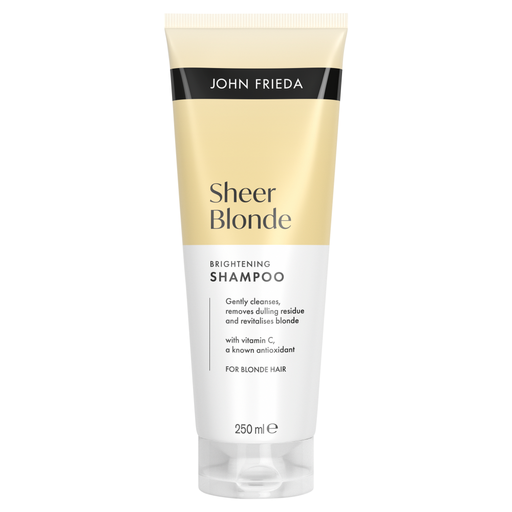
Why This Fits Their Persona: A 250ml format provides a manageable starting point for shoppers trying a brightening shampoo for natural or colour-treated blonde hair.
It is presented as a gradual brightening product rather than a substitute for bleach, with use directions that recommend following with conditioner.
Vegan and silicone-free formula; labelled suitable for natural and colour-treated blonde hair.
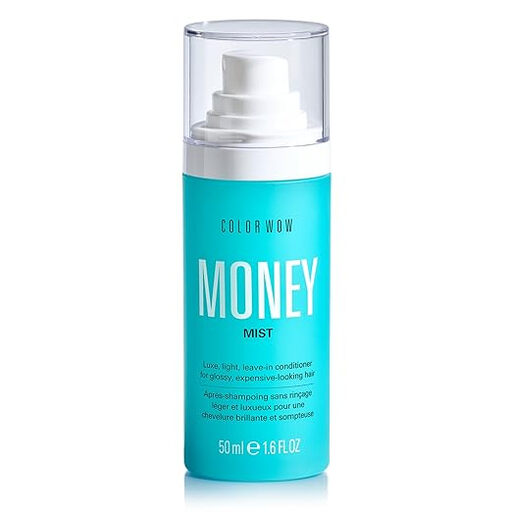
Why This Fits Their Persona: A travel-sized leave-in spray suits shoppers who want a lightweight finishing step for dry or colour-treated hair at home and on the move.
It does not claim to lighten hair; its role is clearly focused on detangling, hydration, frizz control and shine.
Can be applied to wet or dry hair; labelled suitable for colour-treated, bleached and chemically processed hair.
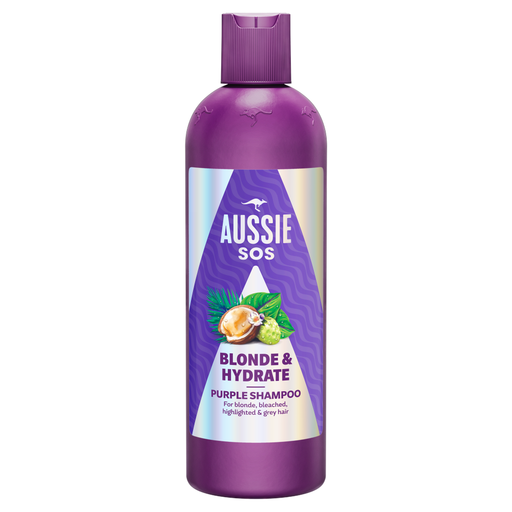
Why This Fits Their Persona: Suitable for shoppers maintaining bleached, highlighted, grey or blonde hair who specifically want a toning step in their routine.
The instructions specify a 3 to 5-minute leave-on period, making the toning process easier to control than indefinite application.
Contains purple pigment for warm-tone neutralising; 300ml bottle and matching conditioner are available.
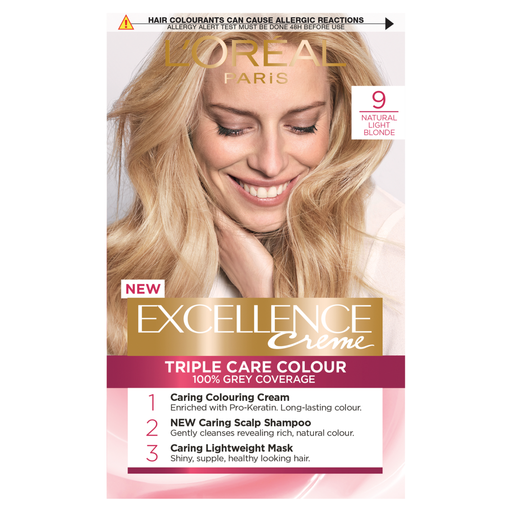
Why This Fits Their Persona: A complete colour kit suits UK shoppers seeking a defined light-blonde shade rather than gradual shampoo-based brightening.
The kit gives separate directions for first-time users, lightened hair and natural light-blonde bases, helping set realistic expectations.
Includes colour cream, developer, post-colour shampoo and nourishing mask; allergy testing is specified 48 hours before use.
We have compiled a complete, real-time list of products that fully satisfy these strict selection criteria and UK safety regulations.
A simple routine can reduce unnecessary product overlap:
There is no universal schedule. Start with the product directions and assess the result after each use. If your hair becomes temporarily violet-toned or feels dry, reduce frequency and use a regular conditioner between toning washes.
A brightening or lightening shampoo is generally intended for blonde hair and may gradually enhance lighter shades. It should not be treated as a replacement for bleach, particularly on dark brown or previously coloured hair.
Shelf life and opening guidance vary by product. Store bottles and colour kits in a cool, dry place, and check the batch information and packaging for the latest instructions. Opened shampoo and conditioner usually last according to their packaging guidance, while mixed bleach or dye should never be stored for later use unless the instructions explicitly permit it.