
24/7 Customer Support

Free returns

Same-day & Next-day Delivery

Quality Guaranteed

Unlock Your Welcome Offers: FREE Delivery | Up to 80% OFF | Free 30-day JoyPlus trial
Download the APP
Choosing a blonde permanent hair dye can seem straightforward until the colour develops too warm, fails to cover grey roots or leaves previously lightened lengths looking uneven. Product packaging often highlights shine, multi-tonal colour and dramatic lift, but these claims do not replace checking your starting shade, hair history and the product’s application instructions.
For UK shoppers, the main buying pitfalls are usually:
Read the shade guide on the packaging rather than relying only on the model photograph. A light blonde hair dye may be suitable for naturally light blonde or dark blonde hair, while an ultra light blonde hair dye may require a lighter starting base to achieve the intended result.
If your hair is naturally medium brown or darker, a standard permanent colour may not produce a very pale blonde. A dedicated hair bleach or high-lift system may be required, but this involves more risk of uneven results and dryness. Do not apply lightener over hair that has been previously bleached, permed or coloured with henna or metallic dyes unless the instructions specifically allow it.
Shade names provide useful clues:
A strand test is particularly useful when moving from brown to blonde, correcting brassiness or colouring hair that has already been lightened.
For grey coverage, look for a product that specifically states its intended coverage level. Several options below list up to 100% grey coverage, but resistant grey hair may require careful root application and the longer development time stated in the instructions.
Check whether the kit includes a developer, gloves, shampoo, conditioner or mask. A complete home hair dye kit can reduce the need to buy additional products. Always follow the included timing: leaving colour on longer does not necessarily create a lighter or more even result.
Every oxidative hair colourant requires an allergy alert test 48 hours before use, even if you have used hair dye previously without a reaction. Follow the packaging warnings, wear gloves, avoid the eyes and do not use hair colourants on eyelashes or eyebrows. Products containing hydrogen peroxide, ammonia or dye ingredients can cause severe allergic reactions.
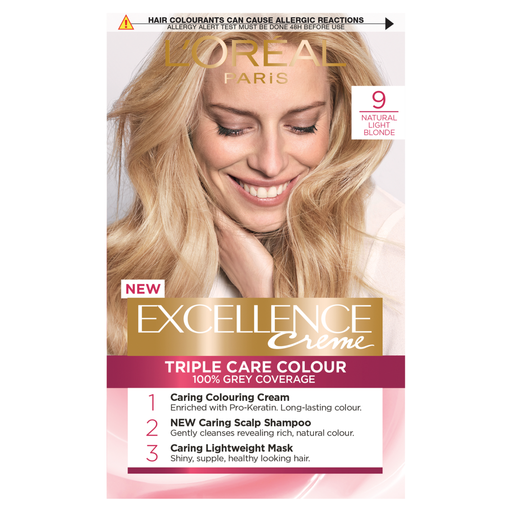
Why This Fits Their Persona: A complete system for shoppers wanting a natural light blonde shade with colour-care steps included in one pack.
The kit provides separate application guidance for first-time users, lightened hair and natural light blonde bases, helping reduce guesswork.
Includes colouring cream, post-colour shampoo and nourishing mask; lists up to 100% grey coverage.
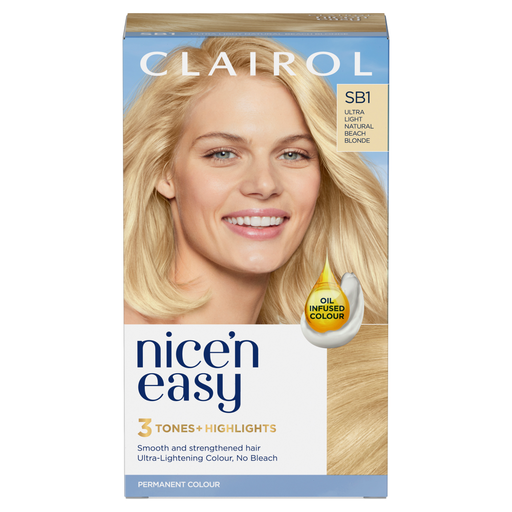
Why This Fits Their Persona: Suitable for shoppers seeking a dimensional at-home blonde colour with a non-drip applicator and conditioning treatment.
Its stated lift range is limited to up to five levels on dark blonde to medium brown hair, making the starting-colour requirement clearer.
Uses a three-tone and highlight colour blend; product information states up to 100% grey coverage and up to eight weeks of colour.
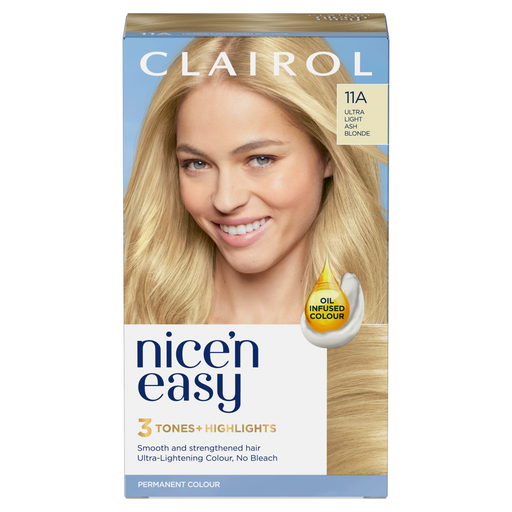
Why This Fits Their Persona: Designed for those comparing an ultra light blonde hair dye with a cooler ash-toned finish.
The ash designation signals a cooler direction, while the instructions still require a strand and allergy test before application.
Includes colour cream, activator and ColourLock treatment; instructions allow up to 45 minutes for stubborn greys.
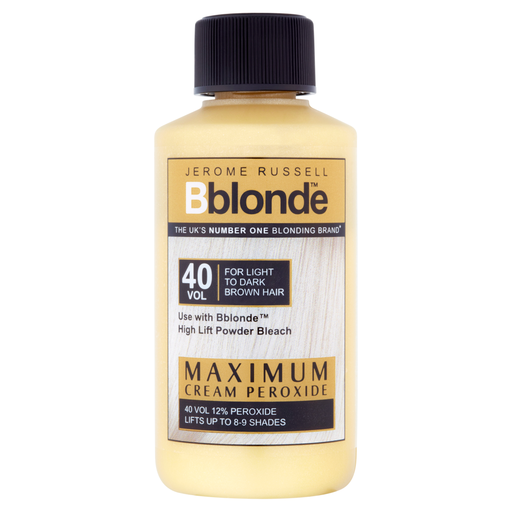
Why This Fits Their Persona: Intended for shoppers seeking significant lightening from light to dark brown hair rather than a conventional permanent hair colour.
It is clearly a 40 vol (12%) peroxide for use with compatible powder bleach, not a ready-to-use blonde permanent hair dye.
Product information states lifting up to eight to nine shades when mixed with Bblonde powder bleach; contains avocado oil and seaweed extract.
We have compiled a complete, real-time list of products that fully satisfy these strict selection criteria and UK safety regulations.
Permanent colour is not always necessary for a small amount of regrowth. A temporary root concealer can disguise visible roots until the next shampoo, making it useful before work, travel or a special occasion. However, it will not lighten hair or permanently cover grey.
Root powders are applied to dry hair and can offer buildable coverage. Aerosol products should be used in a well-ventilated area and kept away from heat or flames. Choose a shade that blends with your current hair rather than your desired future colour.
It depends on the product and starting shade. Some high-lift products state a specific number of levels they may lift on dark blonde to medium brown hair. Standard permanent colour generally cannot create a very pale blonde on dark brown hair in one predictable step. Check the shade guide, carry out a strand test and consider professional advice for major colour changes.
The coloured hair remains treated, but brightness can fade with washing, heat styling and sun exposure. Some products state colour longevity such as up to 28 washes or up to eight weeks; these are product-specific indications rather than a guarantee for every user. New growth will need a root touch-up as it appears.
Many permanent kits state up to 100% grey coverage, particularly when applied first to roots and resistant grey areas. Follow the recommended development time and use enough product to saturate the hair. If your scalp is irritated, damaged or you have previously reacted to hair colour, do not apply the product.