
24/7 Customer Support

Free returns

Same-day & Next-day Delivery

Quality Guaranteed

Unlock Your Welcome Offers: FREE Delivery | Up to 80% OFF | Free 30-day JoyPlus trial
Download the APP
Choosing a blonde permanent hair dye can be more complicated than selecting a shade from the front of a box. Your existing colour, grey coverage needs, undertones and hair condition all affect the final result. A shade that looks cool and pale on the packaging may appear warmer on darker or previously coloured hair.
For UK shoppers, the main appeal of a home hair dye is convenience: you can refresh your colour without booking a salon appointment. However, permanent colour is a chemical treatment, so comparing the formula, shade level and application instructions matters more than relying on claims such as “salon-quality hair dye at home”.
Permanent colour can lift some natural hair, but it generally cannot reliably lighten previously dyed hair. If your hair is dark brown, heavily coloured or unevenly lightened, applying an ultra light blonde shade may produce brassy, patchy or inconsistent results.
Check the shade guidance and compare it with your current colour. A light blonde hair dye may suit naturally light blonde to medium blonde bases, while an ultra light blonde hair dye usually requires a suitable natural base and careful timing.
An ammonia-free formula may be preferable if you want to avoid ammonia, but it is still permanent hair colour and can contain other colourants and an activating agent such as hydrogen peroxide. “Ammonia-free” does not mean allergy-free or suitable for an irritated scalp.
Always complete the required allergy alert test 48 hours before each application, even if you have used hair dye previously. Read the current packaging because ingredients and safety instructions can change.
Many products state up to or 100% grey coverage, but the result can vary according to grey percentage, hair texture, application technique and development time. Grey hair can also be more resistant around the temples and hairline.
For a blonde hair dye for grey coverage, apply carefully to roots and resistant areas first, and follow the timing in the leaflet. Do not extend the processing time unless the instructions specifically allow it.
Hair colour numbering is useful, but not universal across every range. In general, the first number indicates how light or dark the shade is, while a second number or letter often indicates the reflect.
Look for “first-time colour”, “root application” and “previously coloured hair” instructions rather than choosing by the model image alone.
Compare whether the kit includes a conditioner, mask, shampoo or bonding treatment. These products can make the post-colour routine more convenient, but they do not remove the need to follow safety instructions.
If you are specifically searching for ammonia-free blonde hair dye, check the ingredient list and product description. For example, Clairol Colour Strong 10.0 Extra Light Blonde is described as a zero-ammonia formula with an AHA bonding system, while several conventional blonde shades in the selection contain ammonia.
Oil-infused formulas may leave hair feeling smoother after rinsing. This is a user-perceivable cosmetic effect, not a medical or restorative benefit.
One kit may not be enough for long, thick or very dense hair. Garnier Olia advises considering two boxes for long or thick hair. A bottle applicator can make root coverage easier, while a cream formula may be preferable if you want more control over section-by-section application.
Protect clothing and surfaces, use the supplied gloves, and discard mixed product according to the leaflet. Never store leftover mixed colour for later use.
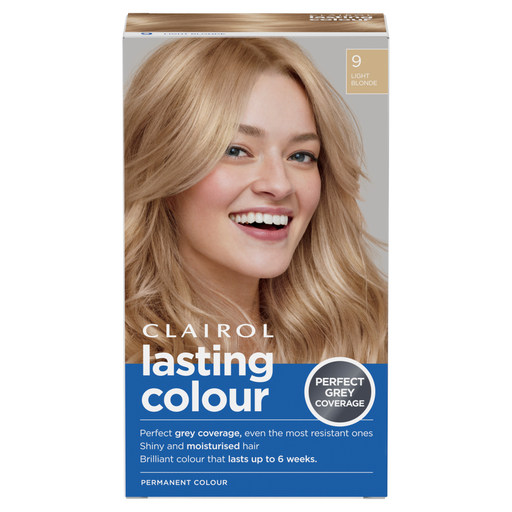
Why This Fits Their Persona: A straightforward one-pack option for shoppers starting with at-home permanent blonde colour and wanting the essential colour, developer and conditioner in one kit.
The kit format makes it easier to check that the required components are included before application, rather than buying separate products.
Permanent 9 Light Blonde shade; includes colour cream, developer, conditioner and gloves.
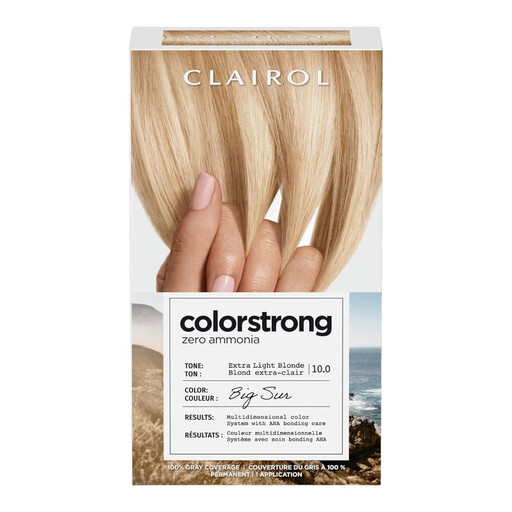
Why This Fits Their Persona: Suitable for shoppers prioritising a structured multi-step application and a bright extra-light blonde shade.
The shade is clearly identified as 10.0 Extra Light Blonde, while the kit separates primer, colour and bonding treatment steps.
Zero-ammonia formula; product description states 100% grey coverage and includes AHA in each bonding step.
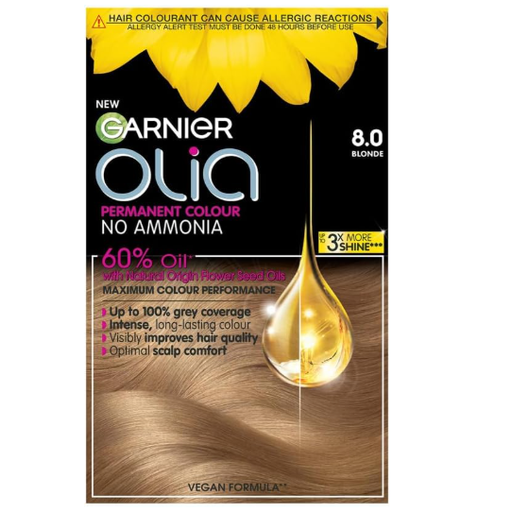
Why This Fits Their Persona: A practical match for regular home colour users who specifically want an ammonia-free blonde formula and a non-drip texture.
Its ammonia-free description is paired with clear safety guidance, so shoppers can distinguish formula preference from allergy protection.
60% oil-powered formula stated in the product description; includes developer, after-colour care and gloves.
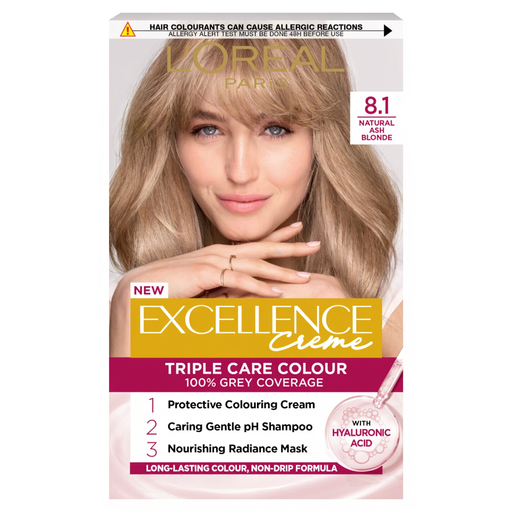
Why This Fits Their Persona: Useful for shoppers seeking a natural ash blonde tone, grey coverage and a clearly defined post-colour care routine.
The kit provides detailed application guidance and includes a gentle pH shampoo and nourishing mask after colouring.
8.1 Natural Ash Blonde shade; product description states up to 100% grey coverage and includes a triple-care ritual.
We have compiled a complete, real-time list of products that fully satisfy these strict selection criteria and UK safety regulations.
Permanent colour remains in the treated hair, but visible vibrancy changes as hair grows and colour fades with washing and exposure. Some products specify a lifespan such as up to 28 washes, but this is product-dependent and should not be treated as a guarantee for every user. Roots will usually need attention before the lengths.
Many products in this guide state up to or 100% grey coverage. For more even results, apply to the roots and resistant grey areas first, ensure complete saturation and follow the recommended timing. A strand test can help you assess how your hair responds before colouring the whole head.
Usually, permanent colour does not reliably lighten existing artificial colour. Applying a lighter shade over darker dyed hair can create uneven results. Check the instructions for your chosen kit, and consider professional advice if your hair has been bleached, permed, coloured with henna or treated with metallic dyes.