
24/7 全天候客户支持

免费退货

当日/次日达

品质保障

开启新人专享福利: 全场免邮 | 低至 2 折 | 免费试用 30 天 JoyPlus 会员
下载 Joybuy
Navigating the world of home health devices can be confusing. When it comes to selecting a blood glucose monitor kit, the sheer number of options, features and marketing claims can feel overwhelming. As a Joybuy Product Recommendation Officer, my role is to help you sidestep the common purchasing traps and focus on what truly matters for reliable and straightforward daily monitoring.
Many people find themselves caught out by a few common pitfalls. Understanding these ahead of time can save you both money and frustration.
To ensure you get a device that is both accurate and easy to live with, focus on these core technical specifications. They are the true indicators of a quality blood sugar monitor.
One of the most important features to look for is a no coding glucometer. In the past, users had to manually enter a code or insert a chip to calibrate the meter to each new vial of test strips. This manual step was a common source of errors, leading to inaccurate readings. Modern devices with no coding technology automate this process. The meter automatically recognises the batch code on the test strip, ensuring a more accurate and hassle-free home blood glucose test every time.
The practicalities of daily testing matter. Look for two key numbers:
Always verify what is included in the box. A complete kit should contain the meter, a lancing device and an initial supply of at least 50 test strips and 50 lancets. This ensures you have everything you need to start monitoring immediately. Additionally, consider the device's memory capacity. The ability to store past readings with a date and time stamp is invaluable for tracking your blood sugar trends and sharing data with your healthcare professional.
Based on these practical criteria, we have identified several kits that are well-suited to different user needs. Instead of a one-size-fits-all approach, we match products to specific lifestyles.
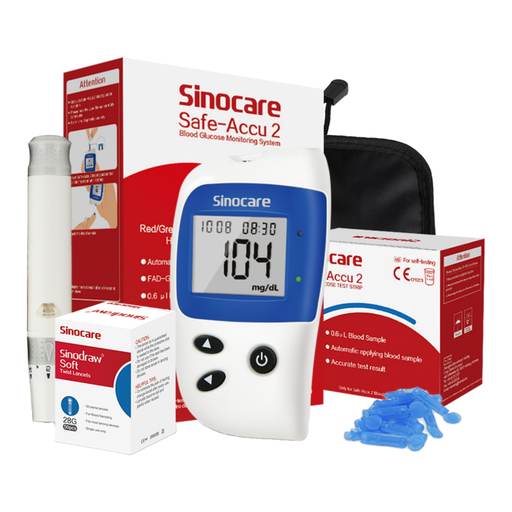
Why This Fits Their Persona: Ideal for those new to monitoring or who value absolute simplicity. This kit is straightforward, with a large, clear screen and intuitive operation, removing any potential for confusion.
It is sold as a complete kit, avoiding the "incomplete" trap. Its focus on simple, core functionality sidesteps the issue of overly complex and frustrating smart features.
Requires only a small 0.6 μL blood sample. The large screen with colour indicators gives an immediate, easy-to-understand assessment of the reading.
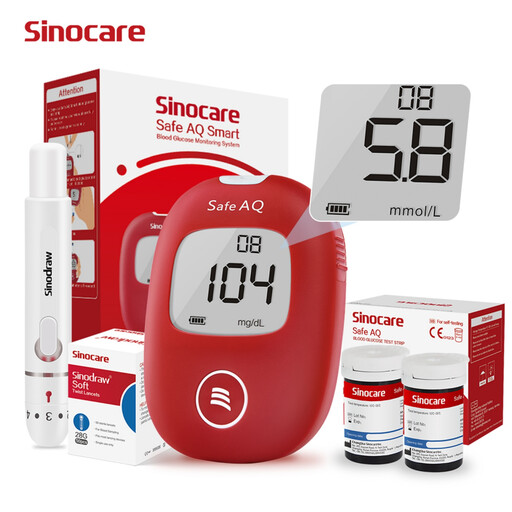
Why This Fits Their Persona: Perfect for individuals who test frequently throughout the day, whether at home, work or while travelling. Its speed and portability are its main assets.
This is a complete diabetes testing kit that includes a carry bag. It is a no coding glucometer, which removes a key point of potential user error and frustration.
Features a very fast 5-second testing time and a lancing device designed for minimal discomfort, making frequent testing much more manageable.
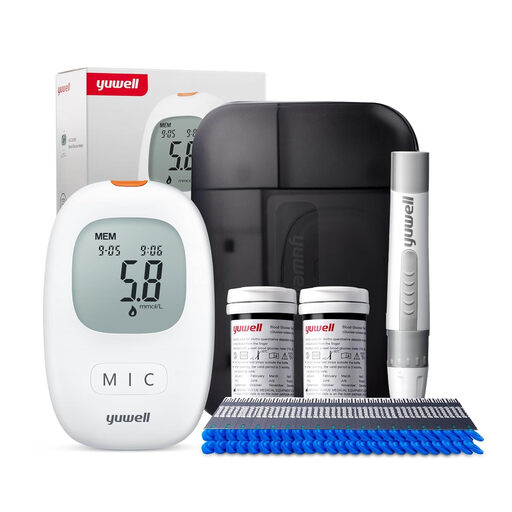
Why This Fits Their Persona: For the user who wants to actively track trends over weeks and months. This device provides valuable long-term data directly on the meter, without needing to sync to an app.
Its data features are built-in, avoiding the "overly complex" app trap. It is also a complete kit with 50 strips and lancets and has passed ISO 15197:2015 certification.
Stores up to 250 readings and calculates average data for 7, 14, 30, 60 and 90-day periods, helping you and your doctor easily track long-term trends.
We have compiled a complete, real-time list of products that fully satisfy these strict selection criteria and UK safety regulations.
'No coding' means the meter automatically calibrates itself to the batch of test strips you are using. You do not need to manually enter a code or insert a chip. This feature is important because it reduces the chance of user error and helps ensure your readings are consistently accurate.
For hygiene and comfort, it is recommended to use a new, sterile lancet for every single test. Reusing a lancet can make it dull, which increases the pain of the finger prick and carries a small risk of infection.
Home-use blood glucose monitors sold in the UK are required to meet specific international accuracy standards, such as ISO 15197:2015. While they provide reliable data for self-monitoring, they are not a substitute for laboratory tests. Always use your readings as a guide for managing your health in consultation with your GP or diabetes care team. Do not self-diagnose or adjust medication based solely on home test results.